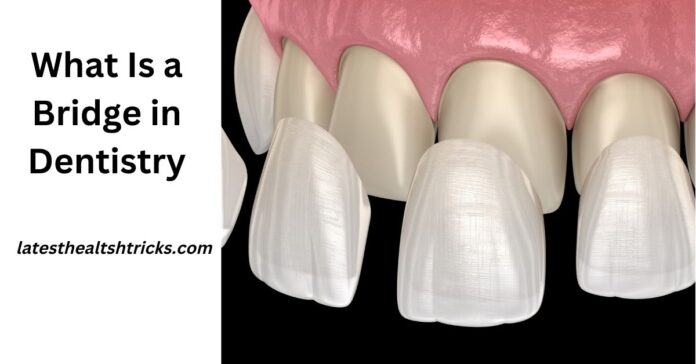
A beautiful smile can change the way people feel about themselves. Many people today want brighter, straighter, and more even teeth. One of the most popular cosmetic dental treatments used to improve smiles is dental veneers. If you have ever asked yourself “what is a veneer in dentistry,” this complete guide will help you understand everything in simple and easy language.
Dental veneers are now widely used in the United States because they offer fast and long-lasting smile improvement. They can correct stained teeth, chipped teeth, gaps, uneven shapes, and other cosmetic problems without major dental surgery.
This article explains what veneers are, how they work, the different types available, the pros and cons, costs, procedure steps, maintenance tips, and much more. You will also learn expert insights that go beyond basic online information so you can make a smart decision about your smile.
What Is a Veneer in Dentistry?
A veneer in dentistry is a very thin shell that is attached to the front surface of a tooth to improve its appearance. Veneers are designed to look natural and match the color and shape of surrounding teeth.
Dentists use veneers to improve:
- Tooth color
- Tooth shape
- Tooth size
- Small gaps between teeth
- Chipped teeth
- Uneven teeth
- Worn teeth
- Mildly crooked teeth
Most veneers are made from porcelain or composite resin materials. They are custom-made for each patient to create a natural and attractive smile.
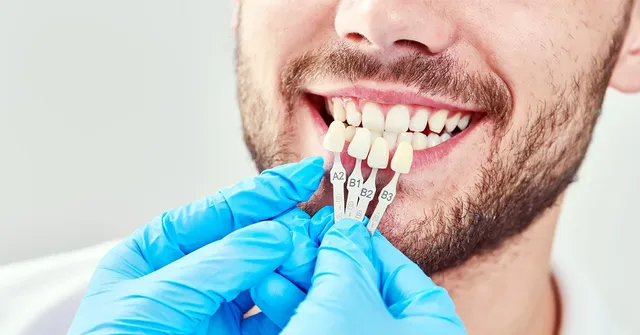
When people search for “what is a veneer in dentistry,” they are usually looking for a cosmetic dental solution that improves the appearance of teeth without braces or crowns. Veneers are one of the most effective ways to achieve this.
Why Dental Veneers Are So Popular
Dental veneers have become extremely popular in the United States because they offer quick cosmetic results. Many celebrities, influencers, and professionals choose veneers to improve their smiles.
Here are some reasons why veneers are in high demand:
- Natural-looking results
- Long-lasting appearance
- Stain resistance
- Fast smile makeover
- Minimal recovery time
- Improved confidence
- Customized treatment
Modern veneer technology has improved greatly over the last decade. Today’s veneers are thinner, stronger, and more realistic than older versions.
How Dental Veneers Work
Dental veneers work by covering the visible front surface of teeth. The dentist bonds the veneer to the tooth using strong dental cement.
The veneer acts like a new outer layer for the tooth. It hides imperfections while maintaining a natural appearance.
Think of veneers as custom-made covers for teeth. They are carefully shaped and colored to blend with your smile.
Once attached, veneers become a permanent part of the smile and function like natural teeth.
Also Read: Can Art Be Involved in Dentistry? A Complete Guide to the Creative Side of Modern Dental Care
Types of Dental Veneers
Understanding the different veneer types is important when learning what is a veneer in dentistry.
Porcelain Veneers
Porcelain veneers are the most common and highest-quality option.
They are made from strong ceramic material that closely resembles natural tooth enamel.
Benefits of porcelain veneers include:
- Very natural appearance
- Strong durability
- Excellent stain resistance
- Long lifespan
- Realistic light reflection
Porcelain veneers are often considered the gold standard in cosmetic dentistry.
Composite Veneers
Composite veneers are made from tooth-colored resin material.
The dentist applies the resin directly to the tooth and shapes it during the appointment.
Benefits include:
- Lower cost
- Faster procedure
- Easier repairs
- Less enamel removal
However, composite veneers are usually less durable than porcelain veneers.
No-Prep Veneers
No-prep veneers are ultra-thin veneers that require little or no enamel removal.
Popular brands include:
- Lumineers
- Vivaneers
- DURAthin veneers
These veneers are less invasive but may not work for every patient.
Temporary Veneers
Temporary veneers are short-term coverings used while permanent veneers are being created.
They protect teeth and give patients a preview of their future smile.
Who Is a Good Candidate for Veneers?
Not everyone is the perfect candidate for veneers.
Good candidates usually have:
- Healthy teeth and gums
- Good oral hygiene
- Minor cosmetic problems
- Enough tooth enamel
- Realistic expectations
People with severe tooth decay or gum disease may need treatment before getting veneers.
Problems Veneers Can Fix
Many people researching “what is a veneer in dentistry” want to know which dental issues veneers can correct.
Veneers are commonly used for:
Discolored Teeth
Some stains do not respond well to whitening treatments. Veneers can completely cover deep discoloration.
Chipped Teeth
Small chips and cracks can be hidden with veneers.
Gaps Between Teeth
Minor spaces between teeth can often be corrected without braces.
Uneven Teeth
Veneers can improve tooth symmetry and balance.
Worn Teeth
Grinding and aging can wear teeth down over time. Veneers restore appearance and shape.
Mild Crookedness
Slightly crooked teeth may appear straighter with veneers.
Step-by-Step Veneer Procedure
Understanding the veneer process helps patients feel more confident.
Step 1: Consultation
The dentist examines the teeth and discusses goals.
This visit may include:
- Dental X-rays
- Smile analysis
- Digital imaging
- Treatment planning
Step 2: Tooth Preparation
A small amount of enamel is removed from the tooth surface.
This creates room for the veneer.
For no-prep veneers, little or no enamel removal may be needed.
Step 3: Impressions
The dentist takes impressions or digital scans of the teeth.
These are sent to a dental lab where custom veneers are made.
Step 4: Temporary Veneers
Temporary veneers may be placed while permanent ones are created.
Step 5: Bonding the Veneers
The dentist checks the fit and color before bonding.
A strong adhesive permanently attaches the veneers to the teeth.
The dentist then polishes and adjusts them for comfort.
Also Read: A to Z Pediatric Dentistry: Complete Guide for Children’s Dental Care in 2026
How Long Do Veneers Last?
One of the biggest questions people ask when searching “what is a veneer in dentistry” is how long veneers last.
The lifespan depends on the material and oral care habits.
Average lifespan:
- Porcelain veneers: 10 to 20 years
- Composite veneers: 4 to 8 years
Good oral hygiene can greatly increase veneer longevity.
Advantages of Dental Veneers
Veneers offer many cosmetic and emotional benefits.
Natural Appearance
Modern veneers closely mimic natural teeth.
Quick Results
Patients can dramatically improve their smiles in just a few visits.
Stain Resistance
Porcelain veneers resist coffee, tea, wine, and tobacco stains better than natural teeth.
Improved Confidence
Many patients report feeling more confident after getting veneers.
Conservative Treatment
Compared to crowns, veneers preserve more natural tooth structure.
Disadvantages of Dental Veneers
While veneers have many benefits, they also have some limitations.
Irreversible Procedure
Traditional veneers require enamel removal, which cannot be reversed.
Cost
Veneers can be expensive, especially porcelain types.
Possible Sensitivity
Some patients experience temporary tooth sensitivity.
Risk of Damage
Although durable, veneers can chip or crack.
Not Ideal for Severe Dental Problems
Major alignment or bite issues may require orthodontics instead.
Veneers vs Crowns
Many people confuse veneers with crowns.
Here is the main difference:
Veneers
- Cover only the front surface
- Mainly cosmetic
- Require less tooth removal
Crowns
- Cover the entire tooth
- Used for structural damage
- Require more tooth reduction
Dentists choose the treatment based on tooth condition and goals.
Veneers vs Teeth Whitening
Whitening works best for healthy teeth with surface stains.
Veneers are better for:
- Deep stains
- Uneven teeth
- Chipped teeth
- Smile redesign
Some patients combine both treatments for the best results.
Veneers vs Braces
Braces move teeth into correct positions.
Veneers create the appearance of straighter teeth without actually moving them.
For severe misalignment, braces or clear aligners are usually better.
For minor cosmetic concerns, veneers may provide faster results.
Cost of Dental Veneers in the United States
The cost varies depending on:
- Dentist experience
- Material type
- Location
- Number of veneers
- Complexity of treatment
Average costs in the US:
- Porcelain veneers: $900 to $2,500 per tooth
- Composite veneers: $250 to $1,500 per tooth
Many cosmetic dental procedures are not covered by insurance.
Are Veneers Worth the Cost?
For many people, veneers are a worthwhile investment.
They can improve:
- Self-confidence
- Professional appearance
- Smile aesthetics
- Social comfort
However, patients should fully understand maintenance requirements and long-term costs before deciding.
Do Veneers Look Fake?
Modern veneers look far more natural than older versions.
A skilled cosmetic dentist carefully designs veneers based on:
- Face shape
- Smile line
- Tooth proportions
- Skin tone
- Natural tooth color
Overly white or oversized veneers may appear fake, which is why dentist selection matters greatly.
How to Care for Veneers
Good care is essential for long-lasting results.
Brush Twice Daily
Use a non-abrasive toothpaste.
Floss Every Day
Healthy gums help veneers last longer.
Avoid Hard Foods
Do not bite ice, pens, or hard candy.
Wear a Night Guard
Patients who grind their teeth may need protection while sleeping.
Visit the Dentist Regularly
Routine checkups help detect problems early.
Foods and Drinks to Be Careful With
Porcelain veneers resist stains well, but surrounding teeth can still discolor.
Limit excessive consumption of:
- Coffee
- Red wine
- Tea
- Soda
- Tobacco products
Composite veneers are more likely to stain than porcelain veneers.
Can Veneers Fall Off?
Yes, veneers can occasionally detach, though this is uncommon.
Possible causes include:
- Poor bonding
- Tooth grinding
- Trauma
- Tooth decay underneath
If a veneer falls off, a dentist should examine it immediately.
Are Veneers Painful?
Most patients experience very little discomfort.
The procedure is usually performed with local anesthesia.
Some mild sensitivity may occur after treatment, but it often disappears within a few days.
Can You Eat Normally With Veneers?
Yes, after adjustment, patients can eat most foods normally.
However, dentists recommend avoiding:
- Ice chewing
- Hard nuts
- Very sticky candies
- Opening packages with teeth
Good habits protect veneers from damage.
Do Veneers Damage Natural Teeth?
When properly done, veneers should not seriously damage teeth.
However, traditional veneers require permanent enamel removal.
That is why choosing an experienced cosmetic dentist is extremely important.
Also Read: What Is DDS in Dentistry? A Complete Guide for Patients and Future Dental Students
Common Myths About Veneers
Veneers Look Unnatural
Modern veneers can look highly realistic.
Veneers Are Only for Celebrities
Many everyday people choose veneers today.
Veneers Last Forever
Veneers are durable but eventually need replacement.
Veneers Ruin Teeth
Properly placed veneers can preserve and protect tooth appearance.
The Procedure Is Very Painful
Most patients report minimal discomfort.
The Psychology Behind Smile Makeovers
One important topic often missing from online articles about what is a veneer in dentistry is the emotional effect of smile improvement.
Research shows that people often connect smiles with:
- Confidence
- Success
- Friendliness
- Health
- Professionalism
People unhappy with their teeth may hide their smiles or avoid social situations.
Veneers can positively affect emotional well-being and self-image when used responsibly.
However, ethical cosmetic dentistry should focus on healthy and natural-looking results rather than unrealistic perfection.
The Future of Veneers in Dentistry
Dental technology continues improving rapidly.
Modern advancements include:
- Digital smile design
- 3D imaging
- AI-assisted cosmetic planning
- Stronger ceramic materials
- Ultra-thin veneers
- Same-day veneers in some clinics
Future veneers may become even more conservative and longer lasting.
How to Choose the Right Cosmetic Dentist
Choosing the right dentist is one of the most important decisions.
Look for:
- Cosmetic dentistry experience
- Before-and-after photos
- Positive patient reviews
- Advanced training
- Modern technology
- Clear communication
Do not choose a dentist based only on low prices.
Poorly done veneers can lead to expensive repairs later.
Questions to Ask Before Getting Veneers
Before treatment, ask your dentist:
- Which veneer type is best for me?
- How many veneers do I need?
- How long will they last?
- What happens if one breaks?
- Will my teeth look natural?
- Can I see a digital preview?
- How much enamel will be removed?
- What maintenance is required?
Good communication improves treatment success.
Are Veneers Safe?
Yes, veneers are generally considered safe when performed by qualified professionals.
However, patients should understand:
- The procedure may be irreversible
- Veneers require lifelong care
- Poor oral hygiene can still cause problems
A complete dental examination is necessary before treatment.
Alternatives to Dental Veneers
Veneers are not the only cosmetic option.
Alternative treatments include:
Teeth Whitening
Good for surface stains.
Dental Bonding
Affordable option for small cosmetic repairs.
Orthodontics
Best for major alignment issues.
Dental Crowns
Used for heavily damaged teeth.
Enamel Contouring
Minor reshaping for small imperfections.
The right choice depends on each patient’s dental condition and goals.
Realistic Expectations About Veneers
One important insight many online sources ignore is the importance of realistic expectations.
Veneers improve smiles, but they are not magic solutions.
Patients should understand:
- Veneers still need care
- Natural aging continues
- Gum tissue changes over time
- Replacements may eventually be needed
The best cosmetic results look healthy and natural, not artificial.
Environmental and Ethical Considerations
Modern dentistry is becoming more environmentally aware.
Some dental offices now focus on:
- Digital impressions instead of physical molds
- Reduced material waste
- Biocompatible materials
- Conservative enamel preservation
Patients increasingly value treatments that balance beauty with long-term oral health.
Why Veneers Continue Growing in Popularity
The demand for veneers continues increasing because modern society places high value on appearance and confidence.
Social media, video calls, and photography have made people more aware of their smiles.
At the same time, cosmetic dentistry has become more accessible and advanced.
Still, the best veneer treatments focus on enhancing natural beauty rather than creating unrealistic “perfect” smiles.
Final Thoughts on What Is a Veneer in Dentistry
So, what is a veneer in dentistry?
A veneer is a thin custom-made shell placed on the front of a tooth to improve its appearance, color, shape, and overall smile aesthetics.
Dental veneers are one of the most effective cosmetic dentistry treatments available today. They can dramatically improve smiles while maintaining a natural appearance when performed by a skilled professional.
Porcelain veneers remain the most durable and realistic option, while composite veneers provide a more affordable alternative.
Before choosing veneers, patients should fully understand the benefits, risks, costs, and long-term care involved. A healthy and beautiful smile begins with informed decisions and proper dental care.
When used responsibly, veneers can provide years of confidence, comfort, and smile improvement.
FAQs About What Is a Veneer in Dentistry
Can veneers get cavities?
The veneer itself cannot get cavities, but the natural tooth underneath still can. Good oral hygiene is very important.
How many veneers do most people get?
Some people get one veneer, while others get six to eight veneers for a full smile makeover.
Can veneers change face shape?
Veneers can slightly improve facial appearance by enhancing smile balance and lip support, but they do not dramatically change face structure.
Are veneers permanent?
Traditional veneers are considered permanent because some enamel is removed during treatment.
Can smokers get veneers?
Yes, but smoking may stain surrounding teeth and affect overall oral health.
Do veneers feel like real teeth?
Most patients say veneers feel natural after a short adjustment period.
Can veneers be whitened later?
No, veneers cannot be whitened like natural teeth. The color chosen during treatment is permanent.
What happens if a veneer cracks?
A dentist may repair or replace the veneer depending on the damage.
Are veneers suitable for older adults?
Yes, healthy older adults can often benefit from veneers if their teeth and gums are in good condition.
Can teenagers get veneers?
Sometimes, but dentists usually prefer waiting until teeth fully develop unless there is a strong cosmetic or restorative reason.
How long does the veneer procedure take?
Most veneer treatments require two to three appointments over several weeks.
Is there an age limit for veneers?
There is no strict age limit. Overall dental health matters more than age.
Do veneers protect teeth?
Veneers can provide some surface protection, but they are mainly cosmetic treatments.
Can veneers fix severe crooked teeth?
No, severe alignment problems usually require orthodontic treatment.
Why are porcelain veneers more expensive?
Porcelain veneers require custom laboratory fabrication and offer greater durability and aesthetics.