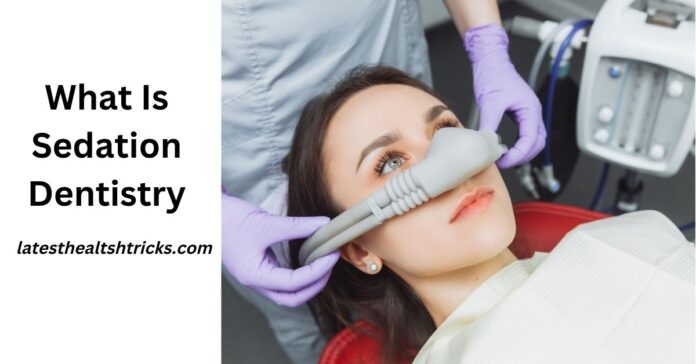
Dental anxiety is one of the biggest reasons people avoid going to the dentist. Some people fear pain, while others feel nervous about dental tools, needles, or long procedures. This is where sedation dentistry can help.
If you have ever wondered “what is sedation dentistry,” this complete guide explains everything in simple language. You will learn how sedation dentistry works, the different types of sedation, who needs it, safety information, benefits, risks, costs, and what to expect before and after treatment.
Sedation dentistry has become one of the most important advancements in modern dental care. It allows patients to stay relaxed and comfortable during procedures that may otherwise feel stressful or painful.
Whether you need a simple cleaning or a complex dental procedure, understanding what sedation dentistry is can help you make informed decisions about your oral health.
What Is Sedation Dentistry?
What is sedation dentistry? Sedation dentistry is the use of medication to help patients feel calm, relaxed, and comfortable during dental procedures. It is sometimes called “sleep dentistry,” although most patients remain awake during treatment.
Sedation dentistry uses carefully controlled medications that reduce anxiety, fear, discomfort, and stress while the dentist performs treatment. The level of sedation can range from mild relaxation to deep sedation, depending on the patient’s needs and the type of dental procedure.
Many people think sedation dentistry is only for major surgeries, but it is also used for common treatments like:
- Dental cleanings
- Fillings
- Root canals
- Tooth extractions
- Dental implants
- Crown procedures
- Gum treatments
- Cosmetic dentistry
Sedation dentistry is especially useful for people with dental anxiety, sensitive teeth, a strong gag reflex, or difficulty sitting still for long periods.
Why Sedation Dentistry Is Becoming More Popular
Modern dentistry has improved greatly over the years, but fear of dental visits still affects millions of Americans. Many patients delay treatment until problems become severe, leading to pain, infection, and higher dental costs.
Sedation dentistry helps solve this problem by creating a more comfortable experience.
Several reasons explain why sedation dentistry is becoming more popular:
Reduced Dental Anxiety
Fear is one of the main reasons people avoid dental appointments. Sedation helps patients feel calm and relaxed.
More Comfortable Procedures
Long or complex dental treatments become easier when patients feel relaxed.
Faster Completion of Treatment
Dentists can often complete multiple procedures in one visit because patients are more comfortable.
Better Oral Health
Patients who avoid the dentist are more likely to develop serious oral health problems. Sedation dentistry encourages regular dental care.
ALso Read: What Is Cosmetic Dentistry? Complete Guide to Modern Smile Treatments in 2026
Improved Experience for Children and Adults
Both adults and children can benefit from sedation when necessary.
How Does Sedation Dentistry Work?
Sedation dentistry works by affecting the central nervous system. The medications help reduce awareness, anxiety, and discomfort during dental treatment.
Depending on the type of sedation used, patients may feel:
- Calm
- Sleepy
- Relaxed
- Less aware of sounds and sensations
- Comfortable during procedures
The dentist carefully monitors the patient throughout the treatment to ensure safety and comfort.
Different levels of sedation produce different effects.
Levels of Sedation Dentistry
Understanding the levels of sedation can help answer the question “what is sedation dentistry” more clearly.
Minimal Sedation
With minimal sedation, the patient stays awake but feels relaxed.
Patients can:
- Respond to questions
- Follow instructions
- Remain aware of surroundings
This level is often used for mild anxiety.
Moderate Sedation
Moderate sedation creates a deeper state of relaxation.
Patients may:
- Speak slowly
- Feel sleepy
- Remember little about the procedure
This is commonly called conscious sedation dentistry.
Deep Sedation
Patients are very sleepy and may drift in and out of consciousness.
They can still be awakened if needed.
General Anesthesia
The patient is completely unconscious.
This level is usually reserved for complex oral surgeries or special medical cases.
What Is Conscious Sedation Dentistry?
One common question people ask is: what is conscious sedation dentistry?
Conscious sedation dentistry refers to a moderate level of sedation where patients remain awake but deeply relaxed during treatment.
Patients under conscious sedation can:
- Breathe on their own
- Respond to instructions
- Remain comfortable during procedures
However, they often remember little or nothing afterward.
Conscious sedation is commonly used for:
- Tooth extractions
- Root canals
- Dental implant surgery
- Multiple dental procedures in one visit
This approach helps reduce fear while still allowing communication with the dental team.
Main Types of Sedation Dentistry
There are several forms of sedation used in dentistry. Each has different benefits and uses.
Nitrous Oxide Sedation
Nitrous oxide is also known as “laughing gas.”
This is one of the safest and most common forms of sedation dentistry.
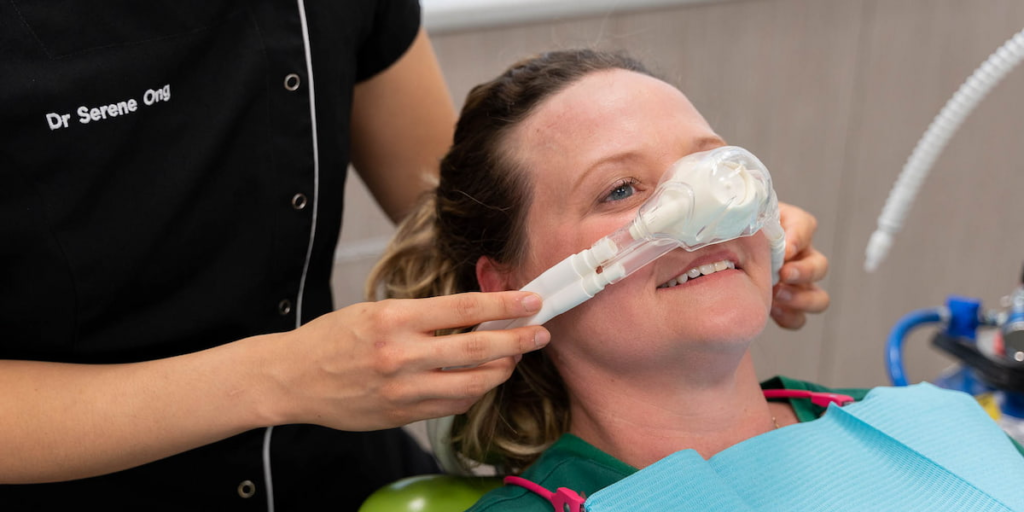
The patient breathes nitrous oxide through a small mask placed over the nose.
Effects include:
- Relaxation
- Reduced anxiety
- Mild euphoria
- Comfort during treatment
One major advantage is that the effects wear off quickly after the procedure.
Patients can usually drive themselves home afterward.
Nitrous oxide is often used for:
- Mild anxiety
- Children
- Routine procedures
Oral Sedation Dentistry
Oral sedation involves taking a prescribed pill before the dental appointment.
Common medications include:
- Halcion
- Valium
- Ativan
The level of sedation can range from mild to moderate depending on the dose.
Patients often feel:
- Drowsy
- Relaxed
- Calm
Because the medication causes sleepiness, patients need someone to drive them home.
What Is IV Sedation Dentistry?
Many people also ask: what is IV sedation dentistry?
IV sedation dentistry involves delivering sedative medication directly into the bloodstream through an intravenous line.
This method works quickly and allows the dentist to adjust the sedation level during treatment.
IV sedation is one of the most effective options for:
- Severe dental anxiety
- Long dental procedures
- Oral surgery
- Complex treatments
Patients remain deeply relaxed but can still respond to instructions.
Most patients remember very little about the procedure afterward.
ALso Read: Can Art Be Involved in Dentistry? A Complete Guide to the Creative Side of Modern Dental Care
What Is IV Sedation in Dentistry?
The phrase “what is IV sedation in dentistry” refers specifically to the use of intravenous medications to create a calm and controlled sedation experience during dental procedures.
Unlike oral sedation, IV sedation works almost immediately because the medication enters the bloodstream directly.
Benefits include:
- Fast onset
- Adjustable sedation level
- Deep relaxation
- Better comfort during lengthy procedures
Dentists who provide IV sedation receive special training and follow strict safety protocols.
What Drug Is Used for IV Sedation in Dentistry?
A common question patients ask is: what drug is used for IV sedation in dentistry?
Several medications may be used depending on the patient’s medical history and procedure type.
Common IV sedation drugs include:
Midazolam
Midazolam is one of the most widely used IV sedatives in dentistry.
It helps:
- Reduce anxiety
- Create relaxation
- Produce temporary memory loss of the procedure
Propofol
Propofol provides deeper sedation and works quickly.
It is often used for:
- Oral surgery
- Complex procedures
- Deep sedation cases
Fentanyl
Fentanyl is sometimes combined with sedatives to control pain.
Ketamine
Ketamine may be used in certain cases, especially for children or patients with special needs.
The dentist or anesthesiologist carefully selects the safest medication for each patient.
Who Should Consider Sedation Dentistry?
Sedation dentistry can benefit many different patients.
People With Dental Anxiety
This is the most common reason patients choose sedation dentistry.
Patients With Sensitive Teeth
Sedation can make procedures more comfortable for people with high tooth sensitivity.
Patients Needing Extensive Dental Work
Long procedures become easier with sedation.
People With Strong Gag Reflexes
Sedation helps reduce gag reflex sensitivity during treatment.
Patients With Difficulty Sitting Still
Some medical conditions make it difficult to remain still during procedures.
Children With Severe Anxiety
In some situations, sedation may help children complete necessary dental treatment safely.
Who May Not Be a Good Candidate?
Not everyone is an ideal candidate for sedation dentistry.
Patients should discuss:
- Medical history
- Pregnancy
- Current medications
- Allergies
- Breathing disorders
- Sleep apnea
Some conditions may require special precautions or alternative sedation methods.
Is Sedation Dentistry Safe?
One of the biggest concerns people have when asking “what is sedation dentistry” is safety.
Sedation dentistry is generally very safe when performed by trained professionals.
Dentists carefully:
- Review medical history
- Monitor vital signs
- Adjust medication levels
- Follow strict safety guidelines
Modern monitoring equipment helps ensure patient safety throughout treatment.
Serious complications are rare.
Safety Measures Used During Sedation Dentistry
Dental offices use many safety protocols during sedation procedures.
These include:
- Blood pressure monitoring
- Oxygen level monitoring
- Heart rate tracking
- Emergency training
- Medical history review
Patients are closely supervised before, during, and after treatment.
Benefits of Sedation Dentistry
Sedation dentistry offers many important advantages.
Reduced Fear and Anxiety
Patients feel calmer and more comfortable.
Pain-Free Experience
Sedation helps patients tolerate procedures more easily.
Faster Dental Treatment
Dentists can often complete more work in fewer visits.
Better Oral Health
Patients are more likely to attend regular appointments.
Less Memory of the Procedure
Many patients remember very little afterward.
Easier Experience for Complex Procedures
Long treatments feel shorter and less stressful.
Risks and Side Effects of Sedation Dentistry
Although sedation dentistry is usually safe, there are some possible side effects.
These may include:
- Drowsiness
- Dry mouth
- Nausea
- Headache
- Temporary confusion
- Dizziness
More serious complications are uncommon but possible.
Choosing an experienced sedation dentist greatly reduces risks.
What Happens Before Sedation Dentistry?
Preparation depends on the type of sedation being used.
The dentist may:
- Review your medical history
- Ask about medications
- Give eating instructions
- Explain transportation requirements
Patients using oral or IV sedation usually need someone to drive them home.
What Happens During Sedation Dentistry?
The dental team monitors the patient closely throughout treatment.
Patients typically feel:
- Relaxed
- Calm
- Sleepy
- Comfortable
Many people are surprised by how quickly the procedure feels finished.
What Happens After Sedation Dentistry?
Recovery time depends on the type of sedation used.
Nitrous Oxide Recovery
Recovery is usually very fast.
Most patients return to normal activities quickly.
Oral and IV Sedation Recovery
Patients may feel sleepy for several hours.
It is important to:
- Rest
- Avoid driving
- Drink fluids
- Follow aftercare instructions
Sedation Dentistry for Children
Children sometimes fear dental treatment, especially if they need extensive procedures.
Pediatric dentists may recommend sedation for:
- Severe anxiety
- Special needs
- Difficulty sitting still
- Complex treatment plans
The dentist carefully chooses age-appropriate sedation methods.
Parents should always ask questions about:
- Risks
- Safety monitoring
- Recovery expectations
Sedation Dentistry for Special Needs Patients
Patients with physical, developmental, or cognitive conditions may benefit greatly from sedation dentistry.
Sedation can help:
- Reduce stress
- Improve cooperation
- Allow safe treatment completion
This approach improves access to important dental care for many families.
Common Procedures Performed With Sedation Dentistry
Sedation dentistry can be used for many treatments.
Dental Implants
Implant surgery is more comfortable with sedation.
Wisdom Tooth Removal
Sedation helps reduce anxiety and discomfort during extraction.
Root Canals
Many patients choose sedation for root canal treatment.
Full Mouth Reconstruction
Complex restorative work often involves sedation.
Cosmetic Dentistry
Sedation can help during long smile makeover procedures.
How Much Does Sedation Dentistry Cost?
Costs vary depending on:
- Type of sedation
- Length of procedure
- Dentist experience
- Geographic location
Average costs in the United States may include:
- Nitrous oxide: $50 to $150
- Oral sedation: $150 to $500
- IV sedation: $500 to $1,500 or more
Dental insurance may partially cover sedation in some medical situations.
Patients should ask for a complete cost estimate before treatment.
Does Insurance Cover Sedation Dentistry?
Insurance coverage depends on:
- The insurance provider
- Medical necessity
- Type of procedure
Some plans cover sedation for:
- Oral surgery
- Children
- Special medical needs
Many cosmetic procedures are not covered.
How to Choose the Right Sedation Dentist
Choosing the right provider is very important.
Look for:
- Proper sedation training
- Licensing and certifications
- Positive patient reviews
- Modern monitoring equipment
- Experience with your procedure
Do not hesitate to ask questions during your consultation.
Questions to Ask Before Sedation Dentistry
Before treatment, ask:
- What type of sedation do you recommend?
- What are the risks?
- How should I prepare?
- What medications will be used?
- How long is recovery?
- Will I need someone to drive me home?
Good communication improves safety and comfort.
Sedation Dentistry vs General Anesthesia
Many people confuse sedation dentistry with general anesthesia.
There are important differences.
Sedation Dentistry
- Patient usually remains awake
- Lower risk
- Faster recovery
- Common for dental procedures
General Anesthesia
- Patient is fully unconscious
- Used for major surgery
- Longer recovery
- Higher monitoring requirements
Most dental patients only need moderate sedation rather than full anesthesia.
ALso Read: A to Z Pediatric Dentistry: Complete Guide for Children’s Dental Care in 2026
Myths About Sedation Dentistry
There are many misunderstandings about sedation dentistry.
Myth: Sedation Dentistry Is Only for Surgery
Reality: Sedation can be used for routine procedures too.
Myth: You Are Completely Unconscious
Reality: Most patients stay awake and responsive.
Myth: Sedation Dentistry Is Unsafe
Reality: It is very safe when performed by trained professionals.
Myth: Only Adults Can Use Sedation Dentistry
Reality: Children may also benefit in some cases.
How Sedation Dentistry Improves Oral Health
Avoiding dental care often leads to:
- Tooth decay
- Gum disease
- Tooth loss
- Infection
Sedation dentistry helps patients overcome fear and receive necessary treatment earlier.
This leads to:
- Better long-term oral health
- Lower treatment costs
- Less pain and discomfort
Advances in Modern Sedation Dentistry
Modern sedation dentistry is safer and more effective than ever before.
Recent advancements include:
- Improved monitoring systems
- Better sedative medications
- Faster recovery times
- More precise dosing techniques
These improvements continue making dental care more comfortable for patients.
Psychological Benefits of Sedation Dentistry
Sedation dentistry offers emotional benefits in addition to physical comfort.
Patients often:
- Build confidence
- Reduce dental fear over time
- Feel more in control
- Develop healthier dental habits
Many people who once avoided dentists begin attending regular appointments after positive sedation experiences.
Sedation Dentistry and Dental Trauma
Patients with traumatic dental experiences often struggle with severe anxiety.
Sedation dentistry helps create new, positive experiences that can reduce emotional stress associated with dental care.
This can be life-changing for patients who have avoided treatment for years.
How Dentists Are Trained in Sedation Dentistry
Sedation dentists receive specialized education and certifications.
Training may include:
- Emergency management
- Airway monitoring
- Sedation pharmacology
- Patient safety protocols
Different states have different licensing requirements.
Always choose a qualified provider.
The Future of Sedation Dentistry
The future of sedation dentistry looks promising.
Experts expect:
- Safer medications
- Faster recovery options
- More personalized sedation plans
- Better patient monitoring technology
As technology improves, sedation dentistry will likely become even more accessible and comfortable.
Frequently Asked Questions About Sedation Dentistry
Can You Feel Pain During Sedation Dentistry?
Most patients feel little or no discomfort during treatment. Local anesthesia is often used together with sedation for pain control.
Can You Talk During Sedation Dentistry?
Yes. Most patients can still respond to questions and follow instructions during conscious sedation.
How Long Does Sedation Last?
It depends on the type used. Nitrous oxide wears off quickly, while oral and IV sedation may last several hours.
Is Sedation Dentistry Good for Severe Anxiety?
Yes. Sedation dentistry is one of the best solutions for people with major dental fear or phobia.
Can I Eat Before Sedation Dentistry?
Your dentist will provide instructions. Patients receiving IV or oral sedation often need to avoid food for several hours beforehand.
Is Sedation Dentistry Safe for Seniors?
It can be safe for older adults when carefully monitored. Medical history and medications must be reviewed closely.
Can Pregnant Women Use Sedation Dentistry?
Certain sedation methods may not be recommended during pregnancy. Always discuss pregnancy with your dentist beforehand.
Will I Be Asleep During IV Sedation?
Most patients are deeply relaxed but not fully unconscious during IV sedation.
How Soon Can I Return to Work After Sedation Dentistry?
Patients who receive nitrous oxide may return to work quickly. Oral and IV sedation usually require rest for the remainder of the day.
Does Sedation Dentistry Help With Gag Reflex Problems?
Yes. Sedation can reduce gag reflex sensitivity and make treatment easier.
Is Sedation Dentistry Worth It?
For many patients, sedation dentistry is life-changing. It helps reduce fear, improve comfort, and encourage better oral health habits.
Conclusion
Understanding what is sedation dentistry can completely change the way people think about dental care. For millions of Americans who struggle with fear, anxiety, sensitive teeth, or painful past experiences, sedation dentistry offers a safe and comfortable solution that makes dental visits much easier.
From mild relaxation with nitrous oxide to deeper comfort with IV sedation, modern sedation techniques help patients receive the care they need without unnecessary stress or discomfort. Whether you are getting a simple filling, a root canal, dental implants, or oral surgery, sedation dentistry can help create a calm and positive experience.
Knowing what is conscious sedation dentistry, what is IV sedation dentistry, and what drug is used for IV sedation in dentistry also helps patients feel more informed and confident before treatment. Today’s dental professionals use advanced technology, strict safety procedures, and personalized treatment plans to ensure the highest level of patient care.
The biggest benefit of sedation dentistry is that it encourages people to stop delaying dental treatment. Regular dental care is important not only for oral health but also for overall health and quality of life. When fear is removed from the experience, patients are more likely to maintain healthy teeth and gums for years to come.
If dental anxiety has prevented you from visiting the dentist, sedation dentistry may be the solution that helps you regain confidence and protect your smile. Speaking with a qualified sedation dentist can help you understand your options and choose the safest and most comfortable treatment approach for your needs.