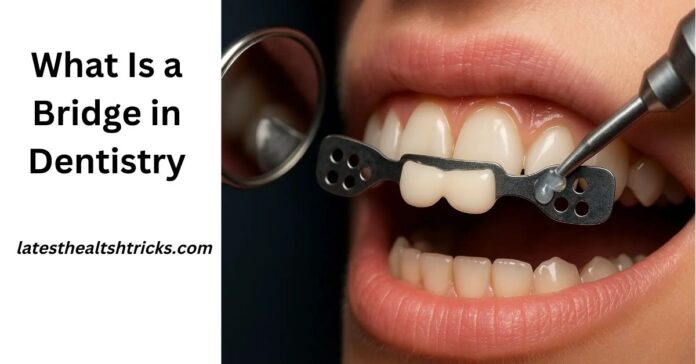
Missing teeth can change the way you eat, speak, and smile. Many people lose teeth because of tooth decay, gum disease, injury, or aging. One of the most trusted ways to replace missing teeth is a dental bridge. If you are asking “what is a bridge in dentistry,” this complete guide will help you understand everything in very simple words.
A dental bridge is a fixed dental restoration that replaces one or more missing teeth. It literally “bridges” the empty space between healthy teeth or dental implants. Dental bridges improve appearance, restore chewing ability, support facial structure, and help keep nearby teeth from moving out of place.
Today, dental bridges are stronger, more natural-looking, and more comfortable than ever before. Modern dental technology allows dentists to create bridges that blend perfectly with your natural smile.
This detailed article explains what is a bridge in dentistry, how it works, different bridge types, benefits, risks, costs, procedures, aftercare, and much more.
What Is a Bridge in Dentistry?
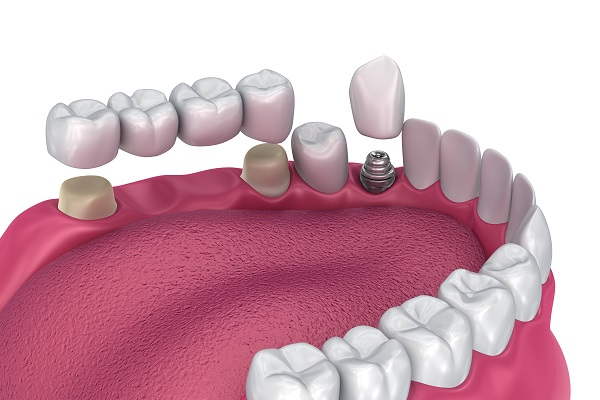
A bridge in dentistry is a dental appliance used to replace missing teeth. It fills the gap left by one or more missing teeth by attaching an artificial tooth to nearby natural teeth or implants.
The artificial tooth is called a pontic. The teeth or implants that support the bridge are called abutments.
In simple terms, a dental bridge works like this:
- Missing tooth leaves an empty space
- Dentist creates a replacement tooth
- Replacement tooth is supported by nearby teeth or implants
- The bridge stays fixed in place
Dental bridges are usually made from:
- Porcelain
- Ceramic
- Zirconia
- Metal alloys
- Porcelain fused to metal
Most modern bridges are designed to look and feel like natural teeth.
In Dentistry What Is a Bridge and Why Is It Important?
Many people think losing one tooth is not a big problem. However, even one missing tooth can create several oral health problems over time.
In dentistry what is a bridge? It is more than just a cosmetic treatment. A bridge helps protect your oral health in many important ways.
When a tooth is missing:
- Nearby teeth may shift into the empty space
- Bite alignment may change
- Chewing can become difficult
- Jawbone may weaken
- Speech may change
- Facial shape may slowly sag
A dental bridge helps prevent these problems while restoring your smile.
How Does a Dental Bridge Work?
A dental bridge works by anchoring an artificial tooth between supporting teeth or implants.
Here is a simple example:
Imagine you lose one tooth between two healthy teeth.
The dentist may:
- Place crowns on the two healthy teeth
- Attach a false tooth between them
- Cement the bridge permanently
The result is a complete row of teeth again.
The bridge distributes biting pressure evenly across your teeth, helping you chew comfortably and naturally.
Main Parts of a Dental Bridge
Understanding the parts of a bridge makes the whole process easier to understand.
Pontic
The pontic is the replacement tooth that fills the gap.
It is designed to:
- Look natural
- Match nearby teeth
- Restore chewing function
Abutment Teeth
These are the supporting teeth beside the missing tooth.
Also Read: How Long Does Dentistry Take? A Complete Guide to Becoming a Dentist in the United States
They:
- Hold the bridge in place
- Support chewing forces
- Receive dental crowns
Crowns
Crowns cover the supporting teeth to strengthen them and hold the bridge securely.
Types of Dental Bridges
There are several types of dental bridges. Each type works best for certain situations.
Understanding these options helps answer the question: what is a bridge in dentistry and which bridge is right for you?
Traditional Dental Bridge
The traditional bridge is the most common type.
It includes:
- One or more false teeth
- Crowns on both sides
This bridge is very strong and durable.
Best for:
- Patients with healthy teeth on both sides of the gap
- Back teeth replacement
- Long-lasting restoration
Advantages:
- Strong support
- Natural appearance
- Long lifespan
Disadvantages:
- Healthy teeth must be reshaped
- Not ideal if support teeth are weak
What Is a Maryland Bridge in Dentistry?
A Maryland bridge is a conservative type of bridge that uses metal or porcelain wings instead of full crowns.
The wings are bonded to the back of nearby teeth.
This means:
- Less drilling
- More natural tooth structure preserved
- Faster treatment
A Maryland bridge is commonly used for:
- Front missing teeth
- Younger patients
- Small gaps
Advantages:
- Minimally invasive
- More affordable
- Protects natural teeth
Disadvantages:
- Less durable for strong biting areas
- May loosen over time
When people ask “what is a Maryland bridge in dentistry,” they are usually referring to this tooth-saving option.
What Is a Cantilever Bridge in Dentistry?
A cantilever bridge is supported by only one neighboring tooth instead of two.
This design is less common today but can still be useful in certain cases.
Best for:
- Areas with low bite pressure
- Front teeth replacement
Advantages:
- Requires only one support tooth
- Useful in limited spaces
Disadvantages:
- Less stable
- Higher risk of stress on supporting tooth
If you wonder “what is a cantilever bridge in dentistry,” think of it as a bridge attached from one side only.
Implant-Supported Bridge
An implant-supported bridge uses dental implants instead of natural teeth for support.
The dentist places implants into the jawbone surgically.
Advantages:
- Extremely stable
- Preserves jawbone
- Long lifespan
- No damage to nearby teeth
Disadvantages:
- Higher cost
- Longer treatment time
- Requires surgery
Many dentists consider implant-supported bridges the most advanced option available today.
What Is a Bridge Crown in Dentistry?
A bridge crown is the crown placed on supporting teeth during bridge treatment.
The crown:
- Covers the tooth completely
- Protects it
- Anchors the bridge
When people ask “what is a bridge crown in dentistry,” they are referring to the crown portion that supports the entire bridge structure.
Who Needs a Dental Bridge?
Dental bridges may be recommended for people who:
- Lost one or more teeth
- Have difficulty chewing
- Feel embarrassed about missing teeth
- Experience shifting teeth
- Want a non-removable tooth replacement
A dentist evaluates:
- Gum health
- Bone strength
- Tooth condition
- Bite alignment
before deciding if a bridge is the best option.
Causes of Missing Teeth
Many situations can lead to missing teeth.
Common causes include:
Tooth Decay
Severe cavities may destroy teeth beyond repair.
Gum Disease
Advanced gum disease can loosen teeth until they fall out.
Injury or Trauma
Sports injuries, falls, and accidents may knock teeth out.
Aging
Older adults often experience tooth loss from years of wear and oral disease.
Congenital Conditions
Some people are born missing certain teeth.
Also Read: What Is Sedation Dentistry? A Complete Guide to Comfortable Dental Care
Benefits of Dental Bridges
Dental bridges offer many important benefits beyond appearance.
Restores Your Smile
A bridge fills empty spaces and creates a complete, attractive smile.
This often improves:
- Confidence
- Self-esteem
- Social comfort
Improves Chewing
Missing teeth make eating difficult.
A bridge restores proper chewing function, allowing you to enjoy more foods comfortably.
Helps Speech
Missing teeth can affect pronunciation.
Bridges help improve speech clarity.
Prevents Teeth Shifting
Teeth naturally move toward empty spaces.
A bridge keeps surrounding teeth in proper position.
Maintains Facial Shape
Missing teeth may cause facial sagging over time.
Bridges help support facial muscles and structure.
Balances Bite Pressure
Bridges distribute chewing forces evenly across the mouth.
Looks Natural
Modern bridges closely match the shape and color of natural teeth.
Dental Bridge Materials
The material affects appearance, strength, and cost.
Porcelain
Popular for natural appearance.
Best for:
- Front teeth
- Cosmetic areas
Zirconia
Very strong and highly aesthetic.
Best for:
- Long-term durability
- Natural-looking smiles
Porcelain Fused to Metal
Combines beauty and strength.
Best for:
- Back teeth
- Heavy chewing
Metal Alloys
Extremely durable but less aesthetic.
Used mainly for:
- Hidden back teeth
Dental Bridge Procedure Step by Step
Many patients feel nervous before treatment. Understanding the process helps reduce anxiety.
Step 1: Dental Examination
The dentist checks:
- Teeth
- Gums
- Bite
- Jawbone
X-rays may be taken.
Step 2: Tooth Preparation
For traditional bridges:
- Supporting teeth are reshaped
- Small amount of enamel removed
Step 3: Impressions
The dentist takes impressions of your teeth.
These are sent to a dental lab to create the bridge.
Step 4: Temporary Bridge
A temporary bridge protects the teeth while the permanent bridge is being made.
Step 5: Permanent Bridge Placement
The permanent bridge is checked for:
- Fit
- Comfort
- Bite
- Appearance
It is then cemented permanently.
Does Getting a Dental Bridge Hurt?
Most patients experience little or no pain during treatment.
Dentists use local anesthesia to numb the area.
After treatment, mild soreness or sensitivity may occur for a few days.
Over-the-counter pain medicine usually helps.
How Long Does a Dental Bridge Last?
A quality bridge can last:
- 5 to 15 years
- Sometimes over 20 years
Lifespan depends on:
- Oral hygiene
- Material quality
- Bite pressure
- Smoking habits
- Dental care
How Much Does a Dental Bridge Cost?
Dental bridge costs vary widely in the United States.
Factors affecting price:
- Bridge type
- Materials
- Number of teeth replaced
- Dentist experience
- Location
Average costs:
- Traditional bridge: $2,000–$5,000
- Maryland bridge: $1,500–$2,500
- Cantilever bridge: $2,000–$4,500
- Implant-supported bridge: $5,000–$15,000
Dental insurance may cover part of the cost.
Are Dental Bridges Covered by Insurance?
Many dental insurance plans partially cover bridges if considered medically necessary.
Coverage often depends on:
- Waiting periods
- Annual maximums
- Policy details
Patients should check with their insurance provider before treatment.
Dental Bridge vs Dental Implant
Many patients compare bridges and implants.
Both restore missing teeth but work differently.
Dental Bridge Advantages
- Faster treatment
- Lower upfront cost
- No surgery required
- Widely available
Dental Implant Advantages
- Preserves jawbone
- Longer lifespan
- No support from nearby teeth
- More natural function
The best option depends on:
- Budget
- Oral health
- Bone density
- Personal preference
Dental Bridge vs Dentures
Dentures are removable while bridges stay fixed.
Bridges
- Permanent
- More stable
- Better chewing
- More natural feeling
Dentures
- Removable
- Lower cost
- Easier to replace multiple teeth
Risks and Disadvantages of Dental Bridges
Although bridges are highly successful, they still have some risks.
Tooth Sensitivity
Prepared teeth may become temporarily sensitive.
Decay Around Crowns
Poor hygiene can allow bacteria to enter around the bridge.
Gum Disease
Plaque buildup may cause gum infection.
Bridge Failure
Bridges can loosen, crack, or wear out over time.
Supporting Tooth Damage
Weak supporting teeth may fail under pressure.
How to Care for a Dental Bridge
Proper care greatly extends bridge lifespan.
Brush Twice Daily
Use fluoride toothpaste and a soft toothbrush.
Floss Under the Bridge
Special floss threaders or water flossers help clean under the pontic.
ALso Read: What Is Cosmetic Dentistry? Complete Guide to Modern Smile Treatments in 2026
Visit Your Dentist Regularly
Professional cleanings help prevent complications.
Avoid Hard Foods
Chewing ice or hard candy can damage bridges.
Stop Smoking
Smoking increases gum disease risk and shortens bridge lifespan.
Best Foods After Getting a Dental Bridge
Soft foods are easiest during the first few days.
Recommended foods:
- Yogurt
- Soup
- Eggs
- Pasta
- Mashed potatoes
- Soft fruits
Avoid:
- Sticky candy
- Hard nuts
- Ice
- Very chewy foods
Signs Your Dental Bridge May Need Replacement
Bridges eventually wear out.
Watch for:
- Pain
- Looseness
- Bad odor
- Difficulty chewing
- Cracks
- Gum swelling
Regular dental checkups help identify problems early.
Can a Dental Bridge Be Repaired?
Sometimes minor problems can be repaired.
Examples:
- Recementing a loose bridge
- Fixing small chips
Severe damage may require full replacement.
Are Dental Bridges Safe?
Yes. Dental bridges are considered very safe and reliable when properly placed by a qualified dentist.
Modern materials are biocompatible and designed for long-term oral use.
Are Dental Bridges Permanent?
Bridges are fixed restorations but not permanent forever.
They may eventually require:
- Repair
- Replacement
- Adjustment
However, they are not removable by the patient like dentures.
Modern Advances in Dental Bridges
Dental technology continues improving bridge treatment.
New innovations include:
- Digital impressions
- CAD/CAM bridge design
- Stronger zirconia materials
- Better bonding systems
- Improved aesthetics
These advancements create:
- Better fit
- Faster treatment
- More natural appearance
- Longer durability
Psychological Benefits of Replacing Missing Teeth
Many articles focus only on oral health, but emotional health matters too.
Patients often report:
- Increased confidence
- Better social interaction
- Less embarrassment
- Improved professional appearance
Replacing missing teeth can positively affect both mental and emotional well-being.
Why Early Treatment Matters
Waiting too long after tooth loss can create additional problems.
Over time:
- Teeth shift
- Bone shrinks
- Bite changes
- Gum problems increase
Early treatment often leads to:
- Better results
- Easier procedures
- Lower long-term costs
How Dentists Choose the Right Bridge Type
Dentists personalize treatment for every patient.
They consider:
- Number of missing teeth
- Tooth location
- Gum health
- Bone support
- Bite strength
- Budget
- Cosmetic goals
There is no single best bridge for everyone.
Common Myths About Dental Bridges
Bridges Look Fake
Modern bridges can look extremely natural.
Bridges Are Only Cosmetic
Bridges restore important oral functions too.
Bridges Are Painful
Most patients experience minimal discomfort.
Bridges Require Too Much Maintenance
Basic daily oral care is usually enough.
Bridges Last Forever
Bridges are durable but eventually need replacement.
What Happens If You Do Not Replace Missing Teeth?
Ignoring tooth loss can create serious oral health problems.
Possible complications:
- Tooth shifting
- Jawbone loss
- Bite problems
- Gum disease
- Difficulty eating
- Facial collapse
Replacing missing teeth early protects long-term oral health.
The Future of Dental Bridges
Future bridge technology may include:
- Stronger materials
- Faster digital manufacturing
- Better implant integration
- More minimally invasive procedures
Artificial intelligence and 3D printing are already changing modern dentistry.
Final Thoughts on What Is a Bridge in Dentistry
Understanding what is a bridge in dentistry helps patients make informed decisions about tooth replacement.
Dental bridges remain one of the most effective solutions for replacing missing teeth. They restore appearance, improve chewing, protect surrounding teeth, and help maintain oral health.
Modern bridges are comfortable, durable, and highly natural-looking. Whether you need a traditional bridge, Maryland bridge, cantilever bridge, or implant-supported bridge, today’s dental treatments offer excellent results for many patients.
The best bridge option depends on your individual dental condition, goals, and budget. Consulting an experienced dentist is the best way to determine the right treatment plan for your smile.
Frequently Asked Questions About Dental Bridges
Can I Eat Normally With a Dental Bridge?
Yes. After adjustment, most people can eat normally with a dental bridge.
How Long Does It Take to Get a Dental Bridge?
Traditional bridges usually take 2 to 3 dental visits over several weeks.
Can a Dental Bridge Whiten Like Natural Teeth?
No. Bridge materials do not respond to whitening products.
Is a Dental Bridge Better Than Leaving a Gap?
Yes. Replacing missing teeth helps prevent many oral health problems.
Can a Bridge Replace Multiple Teeth?
Yes. Some bridges replace several missing teeth in a row.
Do Dental Bridges Feel Natural?
Most patients say bridges feel very natural after a short adjustment period.
Can I Sleep With a Dental Bridge?
Yes. Fixed bridges remain in your mouth at all times.
How Do I Clean Under a Dental Bridge?
You can use:
- Floss threaders
- Interdental brushes
- Water flossers
Are Dental Bridges Good for Older Adults?
Yes. Many seniors benefit greatly from bridges.
What Is the Most Durable Type of Dental Bridge?
Implant-supported bridges are often considered the strongest and longest-lasting option.
Can a Dental Bridge Cause Bad Breath?
Poor cleaning under the bridge may trap food and bacteria, causing odor.
Is a Bridge Better Than a Partial Denture?
Many patients prefer bridges because they are fixed and more stable.
How Soon Can I Return to Work After Getting a Bridge?
Most people return to normal activities the same day.
Can Young Adults Get Dental Bridges?
Yes, depending on oral development and dental condition.
What Happens If a Supporting Tooth Gets Damaged?
The bridge may need repair or replacement if a support tooth becomes weak or decayed.