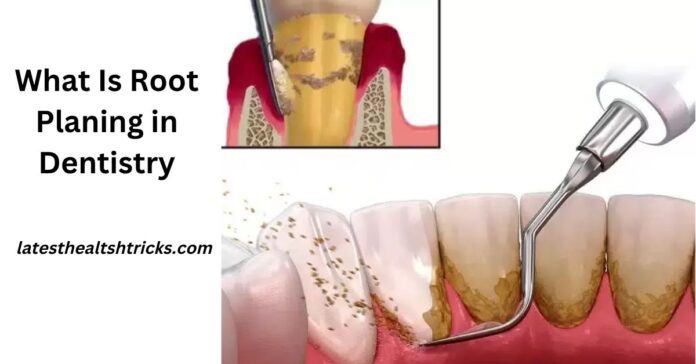
Many people brush their teeth every day but still struggle with gum disease, bleeding gums, bad breath, or loose teeth. One of the most common treatments dentists use to stop gum disease is root planing. If you have ever wondered “what is root planing in dentistry,” this complete guide will explain everything in very simple words.
Root planing is a special dental cleaning treatment that removes bacteria, plaque, and tartar from below the gum line. It helps gums heal and protects teeth from serious damage caused by periodontal disease. Dentists often combine root planing with scaling in a treatment known as scaling and root planing.
This procedure is one of the most effective non-surgical ways to treat early and moderate gum disease. It can save natural teeth, reduce inflammation, and improve oral health without surgery.
What Is Root Planing in Dentistry?
Root planing is a deep dental cleaning procedure that smooths the roots of teeth below the gums. It removes plaque, tartar, toxins, and bacteria that collect around tooth roots.
When bacteria stay under the gums for too long, they cause gum disease. The gums become swollen, red, and infected. Over time, pockets form between the gums and teeth. These pockets trap more bacteria and make the infection worse.
Root planing cleans these infected areas and smooths rough root surfaces. Smooth roots make it harder for bacteria to stick again. This helps the gums reattach to the teeth and heal naturally.
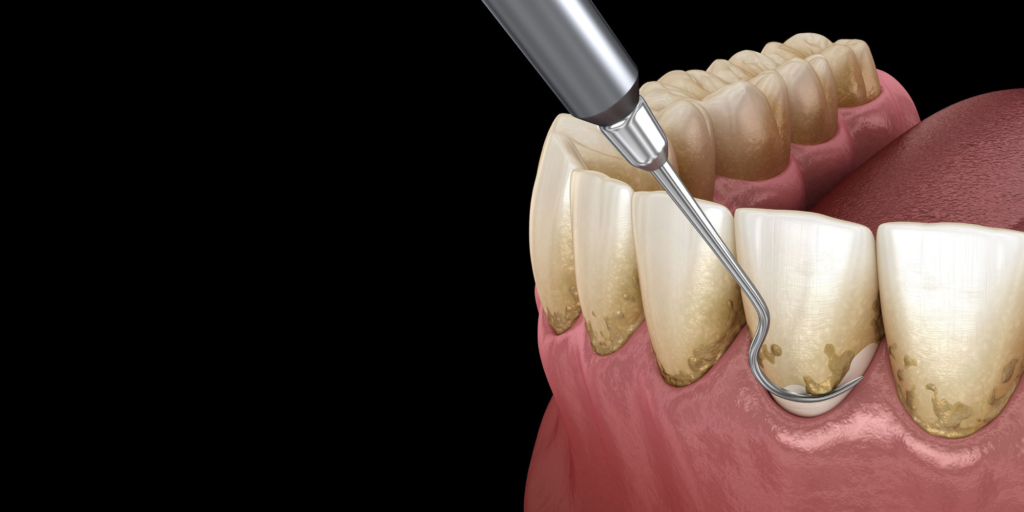
Dentists usually perform root planing together with scaling. Scaling removes tartar and plaque, while root planing smooths the roots.
Understanding Gum Disease Before Root Planing
To understand what is root planing in dentistry, it is important to understand gum disease first.
Gum disease starts with plaque. Plaque is a sticky layer of bacteria that forms on teeth every day. If it is not removed by brushing and flossing, it hardens into tartar.
Tartar cannot be removed at home. Only a dental professional can clean it.
The stages of gum disease include:
Gingivitis
This is the earliest stage. Symptoms include:
- Red gums
- Bleeding while brushing
- Swelling
- Bad breath
At this stage, gum disease can usually be reversed with professional cleaning and better oral care.
Periodontitis
If gingivitis is not treated, it becomes periodontitis. This is a more serious infection that affects the bone and tissues supporting teeth.
Also Read: What Is a Mini Implant in Dentistry? A Complete Beginner’s Guide
Symptoms may include:
- Deep gum pockets
- Gum recession
- Loose teeth
- Pain while chewing
- Chronic bad breath
- Bone loss
This is when dentists often recommend scaling and root planing.
Why Is Root Planing Important?
Root planing is important because gum disease does not go away on its own. Without treatment, infection spreads deeper into the gums and bone.
Many people ignore early symptoms because gum disease is often painless in the beginning. However, untreated periodontal disease can eventually lead to tooth loss.
Root planing helps stop this damage before surgery becomes necessary.
The treatment can:
- Remove dangerous bacteria
- Reduce gum inflammation
- Stop gum bleeding
- Prevent tooth loss
- Improve oral hygiene
- Reduce bad breath
- Help gums heal naturally
Signs You May Need Root Planing
Your dentist may recommend root planing if you have signs of periodontal disease.
Common warning signs include:
- Bleeding gums
- Swollen or red gums
- Persistent bad breath
- Gum recession
- Loose teeth
- Sensitive teeth
- Pain while chewing
- Deep pockets between gums and teeth
- Heavy tartar buildup
Dentists measure gum pockets using a small dental tool. Healthy pockets are usually 1 to 3 millimeters deep. Deeper pockets may indicate gum disease.
What Happens During Root Planing?
Many patients feel nervous before treatment because they do not know what to expect. Understanding the process can help reduce anxiety.
Dental Examination
The dentist or dental hygienist first checks your gums and teeth carefully. They may take X-rays to see bone loss and infection levels.
They measure gum pockets around each tooth.
Numbing the Area
Local anesthesia is usually used to numb the gums. This helps keep the procedure comfortable.
Most patients feel pressure but little or no pain during treatment.
Scaling
Scaling removes plaque and tartar from:
- Tooth surfaces
- Below the gum line
- Deep periodontal pockets
Dentists may use manual tools or ultrasonic devices.
Root Planing
After scaling, the dentist smooths the tooth roots. This removes rough areas where bacteria collect.
Smooth roots help gums heal and reattach to teeth.
Final Cleaning
The area is rinsed to remove debris and bacteria.
Sometimes dentists apply antibiotics to help healing.
How Long Does Root Planing Take?
The treatment time depends on the severity of gum disease.
Some patients need one appointment. Others need several visits.
A full mouth deep cleaning is often divided into sections:
- Upper right
- Upper left
- Lower right
- Lower left
Each session may last 45 minutes to 2 hours.
Is Root Planing Painful?
One of the most common questions people ask is whether root planing hurts.
Most patients experience very little pain because the gums are numbed before treatment.
After the procedure, mild soreness is normal. Some people may experience:
- Gum tenderness
- Tooth sensitivity
- Mild swelling
- Minor bleeding
These symptoms usually improve within a few days.
Over-the-counter pain medication often helps manage discomfort.
Recovery After Root Planing
Healing after root planing is usually simple if you follow your dentist’s instructions.
What to Expect After Treatment
You may notice:
- Less bleeding
- Reduced swelling
- Fresher breath
- Slight tooth sensitivity
- Tightening of gums around teeth
Healing can continue for several weeks.
Recovery Tips
To heal faster:
- Brush gently
- Floss carefully
- Use prescribed mouthwash
- Avoid smoking
- Eat soft foods for a day or two
- Drink plenty of water
- Avoid very hot or cold foods if sensitive
Good oral hygiene is extremely important after treatment.
Foods to Eat After Root Planing
Soft foods are usually easier during the first day or two.
Good choices include:
- Yogurt
- Soup
- Mashed potatoes
- Oatmeal
- Scrambled eggs
- Smoothies
- Applesauce
- Soft pasta
Avoid hard, spicy, or crunchy foods until tenderness improves.
Also Read: What Drug Is Used for IV Sedation in Dentistry? Complete Guide for Patients in 2026
Benefits of Root Planing in Dentistry
Understanding the benefits helps explain why this treatment is so widely recommended.
Stops Gum Disease Progression
Root planing removes harmful bacteria before they cause severe damage.
Helps Save Natural Teeth
Treating gum disease early lowers the risk of tooth loss.
Improves Gum Health
Healthy gums fit tightly around teeth and protect the roots.
Reduces Bad Breath
Bacteria trapped below the gums often cause chronic bad breath.
Improves Overall Health
Research shows gum disease may be connected to health problems such as:
- Heart disease
- Diabetes complications
- Respiratory infections
Healthy gums support better overall wellness.
Risks and Side Effects of Root Planing
Root planing is considered very safe, but minor side effects are possible.
These may include:
- Temporary sensitivity
- Mild gum soreness
- Slight bleeding
- Temporary swelling
Rare complications may include infection or gum recession.
Following aftercare instructions reduces these risks.
Root Planing vs Regular Dental Cleaning
Many people think root planing is the same as a normal cleaning, but they are different.
Regular Cleaning
A standard cleaning removes plaque and tartar above the gum line.
It is mainly preventive care.
Root Planing
Root planing is a deep cleaning below the gums. It treats active gum disease.
It targets infection inside periodontal pockets.
Root Planing vs Gum Surgery
Root planing is usually the first treatment before surgery is considered.
Root Planing
- Non-surgical
- Less invasive
- Short recovery time
- Effective for mild to moderate disease
Gum Surgery
Surgery may be needed if gum disease is severe and pockets remain deep after root planing.
How Effective Is Root Planing?
Root planing is highly effective when combined with good oral hygiene.
Many patients see major improvements in:
- Gum bleeding
- Pocket depth
- Inflammation
- Gum attachment
Success depends heavily on home care and follow-up visits.
Smoking and poor oral hygiene can reduce treatment success.
Can Gum Disease Return After Root Planing?
Yes, gum disease can come back if oral hygiene is poor.
Root planing treats current infection, but bacteria can build up again.
To maintain results:
- Brush twice daily
- Floss every day
- Visit the dentist regularly
- Avoid tobacco products
- Follow periodontal maintenance schedules
How Much Does Root Planing Cost in the United States?
The cost varies depending on:
- Location
- Severity of gum disease
- Number of teeth treated
- Dental office fees
In the US, scaling and root planing may cost:
- $150 to $400 per quadrant
A full mouth treatment may range from:
- $600 to $1,600 or more
Dental insurance often covers part of the cost if medically necessary.
Does Dental Insurance Cover Root Planing?
Many dental insurance plans partially cover scaling and root planing because it treats gum disease.
Coverage varies by provider and plan.
Patients should check:
- Deductibles
- Waiting periods
- Coverage percentages
- Annual maximums
How Dentists Diagnose the Need for Root Planing
Dentists use several methods to decide if root planing is necessary.
These include:
Periodontal Probing
The dentist measures pocket depth around each tooth.
Dental X-rays
X-rays show bone loss and hidden tartar.
Gum Examination
The dentist checks for:
- Bleeding
- Swelling
- Recession
- Infection
Who Performs Root Planing?
Root planing may be performed by:
- General dentists
- Dental hygienists
- Periodontists
A periodontist is a gum disease specialist.
Can Root Planing Be Done in One Visit?
Sometimes yes.
However, many dentists prefer dividing treatment into multiple appointments for better comfort and effectiveness.
How Often Is Root Planing Needed?
Most patients only need active treatment once.
However, maintenance cleanings are extremely important afterward.
People with chronic gum disease may require ongoing periodontal maintenance every 3 to 4 months.
Root Planing for Smokers
Smoking increases gum disease risk and slows healing.
Smokers often develop:
- Deeper pockets
- More tartar buildup
- Severe gum recession
Root planing still helps smokers, but quitting smoking greatly improves results.
Root Planing and Diabetes
People with diabetes have a higher risk of gum disease.
At the same time, gum infection can make blood sugar harder to control.
Root planing may help improve gum health and support better diabetes management.
Can Root Planing Tighten Loose Teeth?
If gum disease caused tooth looseness, root planing may help stabilize teeth by reducing infection and inflammation.
However, severe bone loss may require additional treatment.
Is Antibiotic Treatment Used With Root Planing?
Sometimes dentists place antibiotics directly into periodontal pockets after cleaning.
Antibiotics may help:
- Reduce bacteria
- Improve healing
- Lower inflammation
Not all patients need antibiotics.
The Connection Between Oral Health and Whole-Body Health
Modern dentistry increasingly recognizes the connection between oral health and overall health.
Gum disease is linked to inflammation throughout the body.
Treating gum disease with root planing may help reduce bacterial spread and chronic inflammation.
This is one reason why preventive dental care is so important.
Also Read: How Much Does Sedation Dentistry Cost? Complete 2026 Guide for Patients in the USA
How to Prevent Needing Root Planing
The best treatment is prevention.
Simple habits can greatly reduce gum disease risk.
Brush Properly
Brush at least twice daily using fluoride toothpaste.
Floss Every Day
Floss removes plaque between teeth where brushes cannot reach.
Visit Your Dentist Regularly
Professional cleanings help remove tartar before gum disease develops.
Avoid Smoking
Smoking damages gums and slows healing.
Eat a Healthy Diet
Limit sugary foods and drinks.
Common Myths About Root Planing
Root Planing Removes Tooth Roots
False. Root planing smooths the root surface but does not remove the roots.
It Is Extremely Painful
Most patients experience minimal discomfort because local anesthesia is used.
Only Older Adults Need It
Gum disease can affect adults of all ages.
Bleeding Gums Are Normal
Healthy gums should not bleed regularly.
What Makes Root Planing Different From Cosmetic Dentistry?
Root planing is a medical treatment, not a cosmetic procedure.
Its purpose is to stop infection and protect oral health.
However, healthier gums can also improve the appearance of your smile.
Future Trends in Periodontal Treatment
Dental technology continues improving periodontal care.
Modern advances include:
- Laser-assisted therapy
- Digital periodontal measurements
- Improved ultrasonic instruments
- Better antibacterial treatments
These advances may improve comfort and healing even more in the future.
Expert Insight on Root Planing in Dentistry
One important insight many people miss is that gum disease is often silent. By the time pain appears, damage may already be severe.
Root planing works best when performed early.
Many patients delay treatment because they fear discomfort or cost. In reality, untreated gum disease usually becomes more expensive and difficult to manage later.
Preventive care and early treatment almost always save money, teeth, and long-term health.
Another important point is that root planing is not a one-time “quick fix.” Long-term success depends on daily oral hygiene and regular dental visits.
Patients who stay consistent with maintenance often keep their natural teeth for many years.
Frequently Asked Questions About What Is Root Planing in Dentistry
How long does it take for gums to heal after root planing?
Most gums begin healing within a few days, but full healing may take several weeks.
Can I brush my teeth after root planing?
Yes. Gentle brushing is recommended to keep the mouth clean and prevent bacteria buildup.
Does root planing cure gum disease completely?
It can successfully control gum disease, especially in early and moderate stages. Ongoing oral care is necessary to prevent recurrence.
Can root planing damage teeth?
When performed correctly by dental professionals, root planing is safe and does not damage healthy teeth.
Why do teeth feel sensitive after root planing?
Sensitivity occurs because tartar is removed from exposed root surfaces. This is usually temporary.
Can I eat immediately after root planing?
You should wait until numbness wears off before eating to avoid biting your cheeks or tongue.
Is anesthesia necessary for root planing?
Most dentists use local anesthesia to improve comfort during treatment.
How do I know if root planing worked?
Signs of success include:
- Less bleeding
- Reduced gum swelling
- Shallower pockets
- Fresher breath
- Improved gum attachment
What happens if I refuse root planing?
Untreated gum disease may lead to:
- Bone loss
- Gum recession
- Loose teeth
- Tooth loss
- Increased oral infection
Can children need root planing?
It is uncommon, but children with severe gum disease may occasionally require deep cleaning treatment.
Final Thoughts
If you have been asking “what is root planing in dentistry,” the simple answer is this: it is a deep cleaning treatment that removes harmful bacteria and smooths tooth roots to help gums heal.
Root planing plays a major role in modern periodontal care. It is one of the best non-surgical treatments for gum disease and can help save natural teeth when performed early.
Healthy gums are not just important for your smile. They also support your overall health and quality of life.
Ignoring gum disease may lead to serious problems, but early treatment with scaling and root planing can stop infection, reduce inflammation, and protect your teeth for years to come.
The key to long-term success is maintaining excellent oral hygiene and visiting your dentist regularly. Small daily habits make a huge difference in preventing future gum disease.
By understanding what root planing is in dentistry and how it works, patients can make informed decisions and take better care of their oral health.