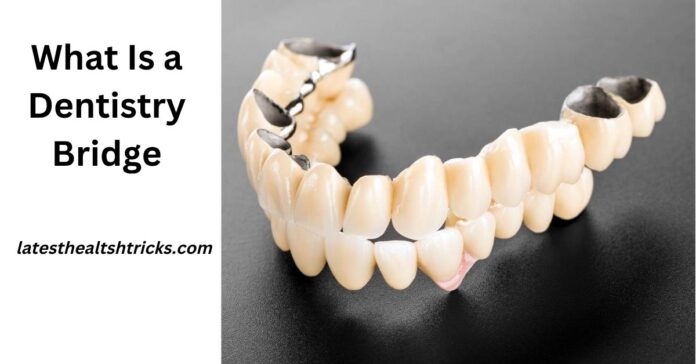
Missing teeth can affect more than just your smile. They can change the way you eat, speak, and even how your face looks over time. One of the most common treatments dentists use to replace missing teeth is a dental bridge. Many people ask, “what is a dentistry bridge” because they want a simple and clear explanation before deciding on treatment.
A dental bridge is a trusted tooth replacement option that has helped millions of people restore their smiles. Modern bridges are stronger, more natural-looking, and more comfortable than older designs. They can improve chewing, support nearby teeth, and help prevent long-term dental problems.
In this complete guide, you will learn everything about what is a dentistry bridge, including the different types, how the procedure works, costs, benefits, risks, aftercare, and frequently asked questions.
What Is a Dentistry Bridge?
A dentistry bridge is a dental restoration used to replace one or more missing teeth. The bridge fills the empty space left behind by missing teeth and helps restore the look and function of the mouth.
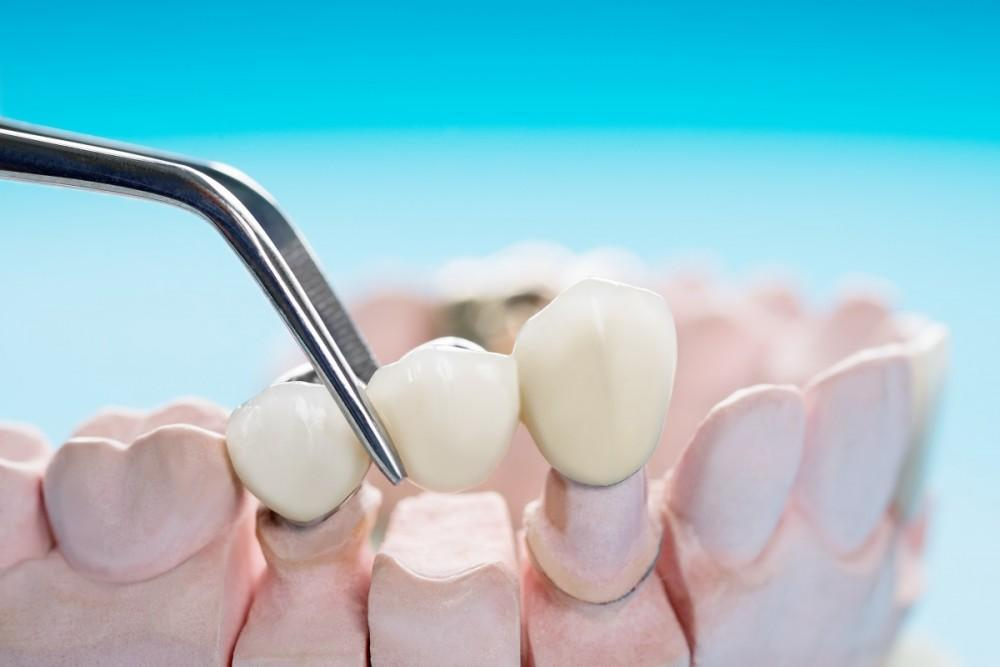
The bridge usually includes:
- Artificial teeth called pontics
- Supporting teeth or implants on each side of the gap
- Dental crowns or connectors that hold the bridge in place
If you are asking what is a bridge in dentistry, the answer is simple. It is a false tooth connected between supporting teeth to “bridge” the gap caused by missing teeth.
Dental bridges are custom-made for each patient. They are designed to match the shape, color, and size of natural teeth so they blend in with the smile.
Why Missing Teeth Should Not Be Ignored
Many people think losing one tooth is not a serious issue, especially if the missing tooth is in the back of the mouth. However, missing teeth can create many oral health problems over time.
When a tooth is missing:
- Nearby teeth may shift out of position
- Bite problems can develop
- Chewing becomes harder
- Speech may change
- Jawbone loss can occur
- Facial shape may change
- Risk of gum disease may increase
A dental bridge helps prevent these issues by restoring balance and support in the mouth.
How Does a Dental Bridge Work?
A dental bridge works by using neighboring teeth or dental implants for support. The artificial tooth fills the open space where the natural tooth used to be.
Think of it like a small bridge over a gap. The support structures on each side hold the replacement tooth securely in place.
Depending on the type of bridge, the support may come from:
- Natural teeth
- Dental implants
- One supporting tooth only
The dentist carefully measures the mouth to create a bridge that fits naturally and comfortably.
Main Types of Dental Bridges
There are several kinds of dental bridges. Each type works best for different dental situations.
Traditional Dental Bridge
The traditional bridge is the most common type.
This bridge uses crowns placed over healthy teeth on both sides of the missing tooth. The false tooth stays in the middle.
Traditional bridges are often strong and durable. They are commonly used for back teeth because they can handle strong chewing pressure.
Also Read: What Does DMD Stand for in Dentistry? Complete Guide for Patients in 2026
Maryland Dental Bridge
Many people ask, “what is a maryland bridge in dentistry?”
A Maryland bridge is a more conservative type of dental bridge. Instead of using full crowns, this bridge uses metal or porcelain wings attached to the back of nearby teeth.
This type of bridge is often used for front teeth because it requires less removal of healthy tooth structure.
Advantages of Maryland bridges include:
- Less drilling
- More natural tooth preservation
- Good appearance for front teeth
However, they may not be strong enough for heavy biting pressure in the back of the mouth.
Cantilever Dental Bridge
Another common question is, “what is a cantilever bridge in dentistry?”
A cantilever bridge is supported by only one neighboring tooth instead of two.
This type may be used when there is only one healthy tooth next to the missing space.
Cantilever bridges are less common today because they can place extra pressure on the supporting tooth. Dentists usually recommend them only in certain situations.
Implant-Supported Bridge
An implant-supported bridge uses dental implants instead of natural teeth for support.
The implants are surgically placed into the jawbone. Once healed, the bridge attaches to the implants.
This option is very stable and helps protect jawbone health.
Benefits include:
- Strong support
- Natural appearance
- No damage to nearby teeth
- Long-term durability
However, implant-supported bridges usually cost more and require a longer treatment process.
Signs You May Need a Dental Bridge
A dentist may recommend a bridge if you have:
- One or more missing teeth
- Difficulty chewing food
- Problems speaking clearly
- Teeth shifting out of place
- Bite alignment issues
- Concerns about appearance
- Jaw discomfort from uneven pressure
Early treatment can help prevent more serious dental problems later.
Who Is a Good Candidate for a Dental Bridge?
Most healthy adults with missing teeth may qualify for a dental bridge.
Good candidates usually have:
- Healthy gums
- Strong supporting teeth
- Good oral hygiene habits
- Enough bone support
- No severe untreated dental disease
The dentist will examine your teeth, gums, and jaw before recommending the best type of bridge.
The Dental Bridge Procedure Step by Step
Understanding the treatment process helps reduce fear and confusion.
Initial Consultation
The dentist first examines your mouth and may take X-rays or digital scans.
They will check:
- Gum health
- Bone support
- Tooth condition
- Bite alignment
- Number of missing teeth
The dentist then discusses treatment options and costs.
Tooth Preparation
For traditional bridges, the supporting teeth are reshaped so crowns can fit over them.
A small amount of enamel is removed to create space.
Impressions and Measurements
The dentist takes impressions or digital scans of the teeth.
These measurements are sent to a dental laboratory where the custom bridge is made.
Temporary Bridge Placement
A temporary bridge may be placed to protect the prepared teeth while the permanent bridge is being created.
Permanent Bridge Placement
Once ready, the permanent bridge is checked for fit, comfort, and appearance.
The dentist makes adjustments if needed and then bonds the bridge into place.
How Long Does a Dental Bridge Last?
A dental bridge can last many years with proper care.
Average lifespan:
- Traditional bridge: 10 to 15 years
- Maryland bridge: 5 to 10 years
- Implant-supported bridge: 15 years or more
Some bridges last much longer when patients maintain excellent oral hygiene and regular dental visits.
Materials Used for Dental Bridges
Modern bridges can be made from different materials.
Porcelain
Porcelain bridges look very natural and match tooth color well.
They are popular for front teeth because they blend beautifully with natural smiles.
Porcelain Fused to Metal
These bridges combine strength and appearance.
The metal inside adds durability while the porcelain outer layer provides a natural look.
Zirconia
Zirconia bridges are strong, modern, and highly resistant to wear.
Many dentists now recommend zirconia for both front and back teeth.
Gold Alloys
Gold bridges are extremely durable but less common today because many patients prefer tooth-colored options.
Advantages of Dental Bridges
Dental bridges offer many benefits for both appearance and oral health.
Restores Your Smile
A bridge fills empty spaces and improves confidence.
Improves Chewing
Missing teeth can make eating difficult. A bridge helps restore proper chewing ability.
Also Read: What Does DDS in Dentistry Stand For? Complete Guide for Patients in 2026
Helps Speech
Teeth play an important role in speaking clearly. Bridges can improve pronunciation.
Prevents Teeth Shifting
Nearby teeth may move into empty spaces. A bridge helps keep teeth aligned.
Maintains Face Shape
Missing teeth can lead to facial collapse over time. Bridges help support facial structure.
Faster Than Implants
Many bridges can be completed faster than implant treatment.
Disadvantages of Dental Bridges
Although bridges offer many benefits, there are some possible drawbacks.
Tooth Preparation
Traditional bridges require reshaping nearby healthy teeth.
Risk of Decay
Supporting teeth can develop cavities if oral hygiene is poor.
Gum Problems
Poor cleaning around the bridge may lead to gum disease.
Limited Lifespan
Bridges may eventually need replacement.
Bone Loss
Unlike implants, most bridges do not stop jawbone shrinkage under the missing tooth area.
Dental Bridge vs Dental Implant
Patients often compare bridges and implants when replacing missing teeth.
Dental Bridge Benefits
- Faster procedure
- Lower upfront cost
- No surgery in many cases
- Widely available
Dental Implant Benefits
- Preserves jawbone
- Does not affect nearby teeth
- Very durable
- Feels more like a natural tooth
The best choice depends on oral health, budget, bone condition, and personal preferences.
Dental Bridge vs Partial Denture
Partial dentures are removable, while bridges are fixed in place.
Bridges
- More stable
- More natural feel
- Better chewing function
- Higher cost
Partial Dentures
- Lower cost
- Removable for cleaning
- Easier to replace
- Less stable
Some patients prefer the comfort and appearance of bridges over removable dentures.
Cost of a Dental Bridge in the United States
The cost of a dental bridge can vary widely.
Several factors affect pricing:
- Type of bridge
- Material used
- Number of missing teeth
- Dentist experience
- Geographic location
- Insurance coverage
Average costs in the US:
- Traditional bridge: $2,000 to $5,000
- Maryland bridge: $1,500 to $3,000
- Cantilever bridge: $2,000 to $4,500
- Implant-supported bridge: $5,000 to $15,000
Dental insurance may cover part of the cost if the procedure is considered medically necessary.
Does Dental Insurance Cover Bridges?
Many dental insurance plans provide partial coverage for bridges.
Coverage often ranges from 40% to 80% depending on the policy.
However, plans may include:
- Waiting periods
- Annual maximum limits
- Restrictions on replacement timing
Patients should always verify details with their insurance provider before treatment.
Recovery After Getting a Dental Bridge
Most people recover quickly after bridge placement.
Some temporary symptoms may include:
- Mild soreness
- Gum sensitivity
- Bite adjustment discomfort
- Sensitivity to hot or cold foods
These symptoms usually improve within a few days.
Soft foods may help during the adjustment period.
Best Foods to Eat After a Dental Bridge
For the first few days, softer foods are often easier to eat.
Good options include:
- Soup
- Yogurt
- Mashed potatoes
- Oatmeal
- Eggs
- Pasta
- Soft vegetables
- Smoothies
Avoid very sticky or hard foods while adjusting to the bridge.
How to Clean a Dental Bridge Properly
Cleaning a bridge is extremely important for long-term success.
Brush Twice Daily
Use a soft toothbrush and fluoride toothpaste.
Floss Under the Bridge
Special floss threaders or water flossers help clean underneath the bridge.
Use Antibacterial Mouthwash
This helps reduce plaque and bacteria.
Visit the Dentist Regularly
Professional cleanings help protect supporting teeth and gums.
Poor cleaning habits are one of the main reasons dental bridges fail.
Common Problems With Dental Bridges
Although bridges are generally reliable, some issues can occur.
Loose Bridge
The cement holding the bridge may weaken over time.
Tooth Decay
Supporting teeth may develop cavities if plaque builds up.
Gum Disease
Inflamed gums can weaken support structures.
Bridge Fracture
Very hard foods or grinding may damage the bridge.
Bite Problems
Improper fit can create jaw discomfort or uneven pressure.
Regular dental checkups help catch problems early.
Can a Dental Bridge Be Repaired?
In some cases, yes.
Small chips or loose bridges may sometimes be repaired.
However, severe damage often requires replacement.
The dentist will evaluate whether repair or replacement is the better option.
Are Dental Bridges Painful?
Most patients experience little pain during the procedure because dentists use local anesthesia.
Some mild soreness afterward is normal but usually temporary.
Modern dental techniques have made bridge procedures much more comfortable than in the past.
Can You Eat Normally With a Dental Bridge?
Yes. Most people return to normal eating once they adjust to the bridge.
However, dentists often recommend avoiding:
- Ice chewing
- Hard candy
- Sticky caramel
- Popcorn kernels
- Very hard nuts
These foods may damage the bridge over time.
How Dental Bridges Improve Confidence
Missing teeth can affect emotional health and self-esteem.
Many patients feel embarrassed when smiling or speaking.
Dental bridges often improve:
- Confidence
- Social comfort
- Professional appearance
- Overall quality of life
The psychological benefits can be just as important as the physical improvements.
ALso Read: Haven Dentistry: A Comfortable, Modern, and Family-Focused Dental Care
Advances in Modern Dental Bridges
Dental technology continues to improve bridge treatment.
Modern advancements include:
- Digital scanning
- 3D imaging
- CAD/CAM technology
- Stronger ceramic materials
- Better adhesives
- More natural aesthetics
These improvements help create bridges that fit better and last longer.
Are Dental Bridges Safe?
Yes. Dental bridges are considered safe and widely used.
Dentists have successfully placed bridges for decades.
When properly planned and maintained, bridges are a reliable treatment for tooth replacement.
How Age Affects Dental Bridge Treatment
Adults of many ages can receive bridges.
Younger Adults
Bridges may help restore appearance and function after injury or tooth loss.
Older Adults
Bridges can improve chewing ability and nutrition.
Age alone usually does not prevent treatment if oral health is stable.
What Causes People to Need Dental Bridges?
Many conditions can lead to tooth loss.
Common causes include:
- Tooth decay
- Gum disease
- Trauma or accidents
- Cracked teeth
- Failed root canals
- Congenital missing teeth
Replacing missing teeth quickly often leads to better long-term outcomes.
Questions to Ask Your Dentist Before Getting a Bridge
Patients should fully understand their treatment options.
Helpful questions include:
- Which bridge type is best for me?
- How long will the bridge last?
- What materials do you recommend?
- What are the risks?
- How much will it cost?
- Does insurance help cover treatment?
- How should I clean the bridge?
- Would implants work better in my case?
Good communication helps patients make informed decisions.
What Is a Bridge in Dentistry Compared to Cosmetic Dentistry?
A bridge is mainly considered restorative dentistry because it replaces missing teeth and restores function.
However, bridges also improve appearance, making them part of cosmetic dentistry as well.
Modern bridges are designed to look highly natural.
In Dentistry What Is a Bridge Used For?
In dentistry what is a bridge used for is another common question.
A bridge is mainly used to:
- Replace missing teeth
- Restore chewing ability
- Improve speaking
- Maintain facial structure
- Prevent tooth movement
- Improve smile appearance
The treatment supports both oral health and confidence.
What Is a Maryland Bridge in Dentistry and When Is It Best?
A Maryland bridge is often best for front teeth where chewing pressure is lighter.
This type is popular because it preserves more natural tooth structure.
Dentists may recommend Maryland bridges for:
- Younger patients
- Small gaps
- Front tooth replacement
- Patients wanting less drilling
However, they may not work well for heavy biting areas.
What Is a Cantilever Bridge in Dentistry and Why Is It Less Common?
A cantilever bridge relies on only one supporting tooth.
This design creates more stress on the supporting side.
Because of this, many dentists use cantilever bridges only in limited situations.
They may still work well in carefully selected cases, especially in areas with lower bite pressure.
How to Make a Dental Bridge Last Longer
Patients can extend bridge lifespan by following healthy habits.
Practice Excellent Oral Hygiene
Clean thoroughly every day.
Avoid Smoking
Smoking increases the risk of gum disease and bridge failure.
Wear a Night Guard if Needed
Teeth grinding can damage bridges.
Attend Regular Dental Visits
Routine exams help detect issues early.
Eat a Balanced Diet
Healthy nutrition supports gum and tooth health.
Emotional and Lifestyle Benefits of Replacing Missing Teeth
Many people underestimate how strongly missing teeth affect daily life.
Patients often report improvements in:
- Self-confidence
- Comfort while eating
- Social interactions
- Speech clarity
- Smile satisfaction
Replacing missing teeth can positively affect both physical and emotional well-being.
Future Trends in Dental Bridge Technology
The future of dental bridges continues to evolve.
Emerging trends include:
- AI-assisted smile design
- Faster digital manufacturing
- More durable ceramics
- Better implant integration
- Minimally invasive techniques
These innovations may improve comfort, durability, and appearance even more in the coming years.
FAQs About What Is a Dentistry Bridge
How many teeth can a dental bridge replace?
A bridge can replace one tooth or several missing teeth in a row, depending on support and oral health.
Can a dental bridge look natural?
Yes. Modern bridges are designed to closely match natural teeth in shape and color.
Is a dental bridge permanent?
Most bridges are fixed and non-removable by the patient, but they may eventually need replacement after many years.
Can you whiten a dental bridge?
No. Bridge materials do not respond to whitening products like natural teeth.
How long does it take to get a dental bridge?
Traditional bridges often take two to three visits over a few weeks.
Can smokers get dental bridges?
Yes, but smoking increases the risk of gum disease and bridge complications.
Is a bridge better than leaving a missing tooth?
In most cases, yes. Replacing missing teeth helps protect oral health and function.
Do dental bridges smell?
A properly cleaned bridge should not smell. Poor hygiene can cause odor from trapped food and bacteria.
Can a bridge replace front teeth?
Yes. Bridges are commonly used to replace front teeth and improve smile appearance.
What happens if a supporting tooth fails?
If the supporting tooth becomes damaged or decayed, the bridge may need repair or replacement.
Can dental bridges cause headaches?
An improperly fitted bridge may affect bite alignment and sometimes contribute to jaw discomfort or headaches.
Is flossing really necessary with a bridge?
Yes. Cleaning underneath the bridge is essential for preventing decay and gum disease.
Final Thoughts on What Is a Dentistry Bridge
Understanding what is a dentistry bridge helps patients make informed decisions about replacing missing teeth. A dental bridge is more than a cosmetic treatment. It supports oral health, improves chewing, restores speech, and helps maintain confidence.
Modern dental bridges are safer, more comfortable, and more natural-looking than ever before. Whether you choose a traditional bridge, Maryland bridge, cantilever bridge, or implant-supported option, the right treatment can greatly improve quality of life.
If you have missing teeth, speaking with an experienced dentist is the best way to explore your options. Early treatment often prevents additional dental problems and helps preserve your smile for years to come.