Many people have heard the term dentistry, but fewer understand what is maxillofacial dentistry and how important it is for treating complex conditions involving the mouth, jaw, face, and surrounding structures.
Maxillofacial dentistry is a specialized field that combines advanced dental knowledge with surgical and restorative techniques to diagnose, treat, and rehabilitate patients with diseases, injuries, defects, and abnormalities affecting the oral and facial region. It plays a vital role in improving oral function, facial appearance, speech, breathing, and overall quality of life.
As dental technology continues to advance in 2025 and beyond, maxillofacial dentistry has become one of the most sophisticated areas of healthcare. From reconstructing facial structures after trauma to replacing missing facial tissues through prosthetics, specialists in this field help patients regain confidence and normal daily function.
This comprehensive guide explains what is maxillofacial dentistry, how it differs from general dentistry, available treatments, benefits, procedures, recovery expectations, and the future of this rapidly evolving specialty.
What Is Maxillofacial Dentistry?
The simplest answer to what is maxillofacial dentistry is that it is a branch of dentistry focused on diagnosing, preventing, and treating conditions affecting the mouth, jaws, face, head, and neck.
The word “maxillofacial” comes from two anatomical areas:
- Maxilla refers to the upper jaw.
- Facial refers to the face and surrounding structures.
Maxillofacial dentistry addresses both functional and aesthetic concerns. Specialists work with patients who have facial injuries, congenital defects, jaw disorders, oral diseases, tumors, missing facial structures, and complex dental problems.
Unlike routine dental care that focuses mainly on teeth and gums, maxillofacial dentistry involves a broader understanding of facial anatomy, bone structure, muscles, nerves, and soft tissues.
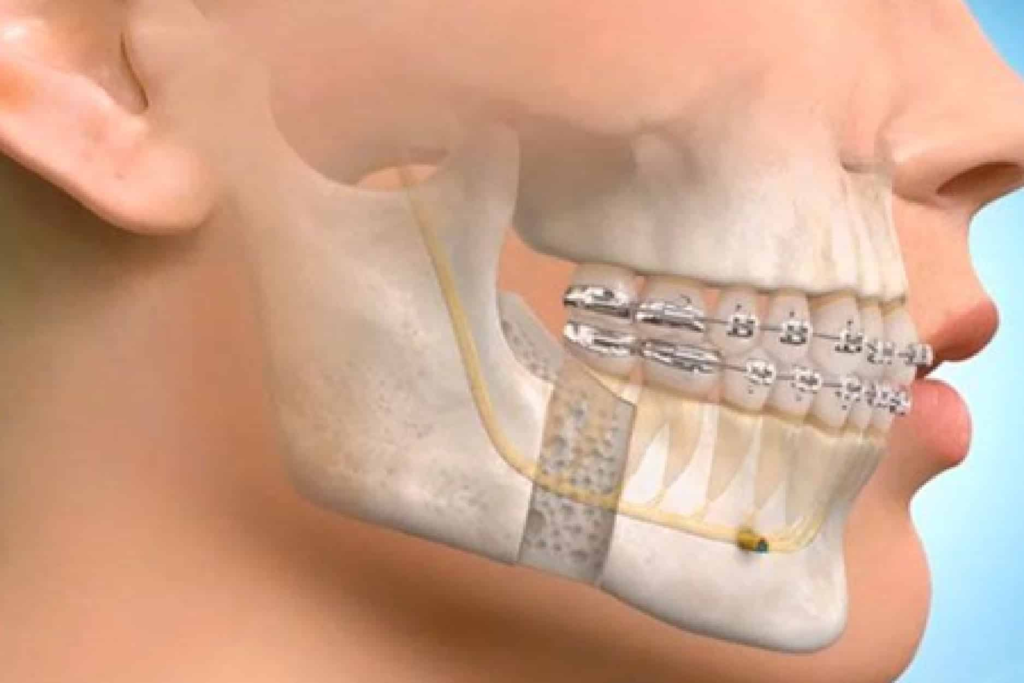
Understanding the Scope of Maxillofacial Dentistry
To fully understand what is maxillofacial dentistry, it is important to recognize the wide range of conditions treated within this specialty.
These may include:
- Jaw misalignment
- Facial trauma
- Oral cancers
- Congenital facial abnormalities
- Missing facial structures
- Severe tooth loss
- Complex dental implant cases
- Temporomandibular joint disorders (TMJ)
- Sleep-related breathing disorders
- Facial pain syndromes
- Bone reconstruction procedures
Maxillofacial specialists often collaborate with surgeons, oncologists, orthodontists, speech therapists, prosthodontists, and medical doctors to provide comprehensive patient care.
The History and Evolution of Maxillofacial Dentistry
The foundations of maxillofacial dentistry can be traced back thousands of years. Early civilizations attempted to repair facial injuries using primitive methods.
However, the field experienced major growth during the World Wars when soldiers returned with severe facial injuries requiring reconstruction.
Dentists and surgeons developed innovative techniques to restore damaged jaws, faces, and oral structures. Over time, these techniques evolved into a highly specialized discipline.
Today, digital imaging, 3D printing, computer-guided surgery, artificial intelligence, and advanced biomaterials have transformed patient outcomes and treatment precision.
What Is Dentistry Oral & Maxillofacial?
Many people ask, what is dentistry oral & maxillofacial?
Dentistry oral & maxillofacial refers to the specialized area of dental medicine focused on treating diseases, injuries, defects, and functional issues affecting the mouth, jaws, face, and related structures.
The field combines:
- Dental science
- Oral medicine
- Facial surgery
- Reconstructive techniques
- Prosthetic rehabilitation
The goal is to restore both function and appearance while improving patient health and quality of life.
What Is Oral and Maxillofacial Surgery in Dentistry?
A closely related question is: what is oral and maxillofacial surgery in dentistry?
Oral and maxillofacial surgery is the surgical component of maxillofacial dentistry. It involves performing operations on the mouth, jaws, face, and neck.
Common procedures include:
- Wisdom tooth removal
- Dental implant placement
- Corrective jaw surgery
- Facial trauma repair
- Bone grafting
- Tumor removal
- Cleft lip and palate surgery
- Facial reconstruction
- TMJ surgery
Oral and maxillofacial surgeons undergo extensive education and clinical training that allows them to manage complex surgical cases involving both dental and facial structures.
Who Needs Maxillofacial Dentistry?
Maxillofacial dentistry benefits patients of all ages.
You may need treatment if you experience:
Facial Trauma
Car accidents, sports injuries, workplace accidents, and falls can damage facial bones, teeth, and soft tissues.
Congenital Conditions
Some individuals are born with facial abnormalities that require specialized care.
Examples include:
- Cleft lip
- Cleft palate
- Craniofacial syndromes
- Jaw deformities
Oral Cancer
Patients undergoing cancer treatment may need reconstruction and rehabilitation following surgery.
Missing Teeth and Bone Loss
Severe tooth loss often requires advanced implant and bone reconstruction procedures.
Jaw Disorders
Jaw pain, limited movement, and bite problems may require maxillofacial intervention.
Facial Defects
Patients who lose facial structures due to disease, injury, or surgery may benefit from prosthetic rehabilitation.
Conditions Treated in Maxillofacial Dentistry
Maxillofacial dentists manage a wide variety of conditions.
Jaw Misalignment
Misaligned jaws can affect:
- Chewing
- Speaking
- Breathing
- Facial appearance
Corrective treatments can improve both function and aesthetics.
Facial Fractures
Fractures involving:
- Upper jaw
- Lower jaw
- Cheekbones
- Eye sockets
- Nasal bones
often require specialized reconstruction.
Temporomandibular Joint Disorders
TMJ disorders can cause:
- Jaw pain
- Headaches
- Clicking sounds
- Difficulty opening the mouth
Oral Pathology
Specialists evaluate and treat:
- Oral cysts
- Tumors
- Precancerous lesions
- Oral cancers
Sleep Apnea
Certain jaw abnormalities contribute to obstructive sleep apnea and may require surgical correction.
What Is a Maxillofacial Prosthetics in Dentistry?
One of the most searched questions is what is a maxillofacial prosthetics in dentistry.
Maxillofacial prosthetics is a highly specialized area focused on replacing missing facial and oral structures using custom-made prosthetic devices.
These prostheses help restore appearance, function, and confidence after injury, disease, or congenital defects.
Examples include:
- Artificial eyes
- Nose prostheses
- Ear prostheses
- Palatal obturators
- Facial prostheses
- Jaw reconstruction appliances
Modern prosthetics are designed to look highly natural and can dramatically improve a patient’s quality of life.
What Is Maxillofacial Prosthetics in Dentistry and Why Is It Important?
Another common question is what is maxillofacial prosthetics in dentistry and why does it matter?
Maxillofacial prosthetics serves patients who cannot fully restore missing structures through surgery alone.
Also Read:What Is an Inlay in Dentistry? A Complete Guide to Dental Inlays and Onlays
Benefits include:
- Improved facial appearance
- Better speech
- Easier eating and swallowing
- Enhanced social confidence
- Psychological support
- Improved quality of life
Advances in digital scanning and 3D printing have significantly improved the realism and comfort of modern prosthetic devices.
The Role of Dental Implants in Maxillofacial Dentistry
Dental implants are one of the most important tools used in modern maxillofacial dentistry.
Implants help replace missing teeth while preserving jawbone health.
Benefits include:
- Improved chewing ability
- Better appearance
- Enhanced speech
- Long-term stability
- Bone preservation
Complex implant cases often require bone grafting and advanced planning by maxillofacial specialists.
Advanced Technology Used in Maxillofacial Dentistry
Modern maxillofacial dentistry relies heavily on advanced technology.
3D Imaging
Three-dimensional scans provide detailed views of:
- Bones
- Teeth
- Nerves
- Soft tissues
Cone Beam CT Scanning
This technology helps create highly accurate treatment plans.
Digital Surgical Planning
Computer software allows specialists to simulate procedures before surgery.
3D Printing
Custom surgical guides and prosthetics can be produced with exceptional precision.
Artificial Intelligence
AI-assisted systems help improve diagnosis and treatment planning.
Computer-Guided Implant Surgery
This approach increases accuracy and minimizes complications.
The Treatment Process in Maxillofacial Dentistry
Patients often wonder what happens during treatment.
Initial Consultation
The specialist evaluates:
- Medical history
- Dental history
- Symptoms
- Imaging studies
Diagnostic Testing
Tests may include:
- X-rays
- CT scans
- Digital scans
- Photographs
Treatment Planning
A customized treatment plan is developed based on the patient’s needs.
Treatment Phase
Treatment may involve:
- Surgery
- Prosthetics
- Implants
- Orthodontics
- Rehabilitation
Follow-Up Care
Regular monitoring ensures successful healing and long-term results.
Benefits of Maxillofacial Dentistry
The advantages extend far beyond oral health.
Restores Function
Patients can chew, speak, and breathe more effectively.
Improves Appearance
Facial symmetry and aesthetics often improve significantly.
Enhances Confidence
Patients frequently experience greater self-esteem and social comfort.
Supports Overall Health
Correcting oral and facial issues can positively impact overall wellness.
Improves Quality of Life
The ability to eat, communicate, and interact comfortably can transform daily living.
Maxillofacial Dentistry vs General Dentistry
Many people confuse these two fields.
General dentists primarily focus on:
- Routine exams
- Cleanings
- Fillings
- Crowns
- Preventive care
Maxillofacial dentists manage:
- Complex facial conditions
- Jaw abnormalities
- Reconstructive procedures
- Advanced implant treatments
- Prosthetic rehabilitation
Both specialties are important, but they serve different purposes.
Recovery After Maxillofacial Procedures
Recovery depends on the specific treatment performed.
Common recommendations include:
- Following medication instructions
- Maintaining oral hygiene
- Attending follow-up appointments
- Avoiding tobacco use
- Following dietary guidelines
Most patients experience gradual improvement over several weeks.
Advanced surgical techniques have significantly reduced recovery times compared to previous decades.
Risks and Considerations
Like all healthcare procedures, maxillofacial treatments carry some risks.
Potential risks may include:
- Infection
- Swelling
- Bleeding
- Nerve irritation
- Delayed healing
Choosing a qualified specialist and following post-treatment instructions can help minimize complications.
The Future of Maxillofacial Dentistry
The future of maxillofacial dentistry is extremely promising.
Emerging innovations include:
Regenerative Medicine
Scientists are exploring methods to regenerate bone and soft tissues naturally.
Bioprinting
Researchers are developing techniques to print living tissues and structures.
Personalized Prosthetics
Custom devices are becoming increasingly realistic and functional.
Robotic Surgery
Robotic assistance may improve surgical precision.
Artificial Intelligence Integration
AI is expected to further enhance diagnostics and treatment outcomes.
These developments could revolutionize patient care over the next decade.
Also Read: What Is a Flipper in Dentistry? Complete Guide to Flipper Teeth, Benefits, Costs, and Care
How to Choose a Maxillofacial Specialist
Selecting the right provider is essential.
Consider:
- Education and training
- Board certification
- Clinical experience
- Patient reviews
- Technology used
- Communication skills
A knowledgeable and experienced specialist can significantly influence treatment success.
Expert Perspective: Why Maxillofacial Dentistry Matters More Than Ever
One of the most important insights about what is maxillofacial dentistry is that it extends far beyond treating dental problems.
Modern healthcare increasingly recognizes the close relationship between oral health, facial structure, breathing, speech, nutrition, and mental well-being.
Maxillofacial dentistry sits at the intersection of these critical areas. It combines science, technology, artistry, and patient-centered care to address some of the most complex conditions affecting the human face and mouth.
As life expectancy increases and technology advances, demand for sophisticated facial rehabilitation and reconstruction services will likely continue growing throughout the United States.
Conclusion
Understanding what is maxillofacial dentistry helps patients appreciate the vital role this specialty plays in modern healthcare.
Maxillofacial dentistry focuses on diagnosing, treating, reconstructing, and rehabilitating conditions affecting the mouth, jaws, face, and related structures. From correcting jaw abnormalities and repairing facial injuries to providing advanced prosthetics and dental implants, this field transforms lives by restoring function, appearance, and confidence.
Whether someone needs oral surgery, facial reconstruction, implant rehabilitation, or prosthetic restoration, maxillofacial dentistry offers highly specialized solutions that improve both health and quality of life.
With ongoing advances in digital technology, regenerative medicine, artificial intelligence, and personalized treatment planning, the future of maxillofacial dentistry looks brighter than ever.
Frequently Asked Questions (FAQs)
Is maxillofacial dentistry considered a medical or dental specialty?
It is primarily a dental specialty, but it overlaps significantly with medicine because it involves treating conditions affecting the face, jaws, head, and neck.
Can children receive maxillofacial dental treatment?
Yes. Children with congenital conditions, facial injuries, jaw growth abnormalities, or cleft-related issues often receive treatment from maxillofacial specialists.
Does insurance cover maxillofacial dentistry procedures?
Coverage varies depending on the procedure and insurance plan. Medically necessary treatments are often covered differently than cosmetic procedures.
How long does maxillofacial treatment usually take?
Treatment duration can range from a single visit for minor procedures to several months or years for complex reconstruction and rehabilitation cases.
Are maxillofacial prosthetics permanent?
Some prosthetics are long-term solutions, while others may need replacement or adjustment over time due to wear, aging, or anatomical changes.
Can maxillofacial dentistry improve speech problems?
Yes. Certain oral and facial conditions affect speech. Surgical correction or prosthetic rehabilitation can significantly improve communication abilities.
Is maxillofacial surgery painful?
Modern anesthesia, sedation techniques, and pain management strategies help keep patients comfortable during and after treatment.
What technologies are changing maxillofacial dentistry today?
The biggest innovations include 3D imaging, computer-guided surgery, digital treatment planning, artificial intelligence, regenerative medicine, and advanced prosthetic manufacturing.
When should I see a maxillofacial specialist instead of a general dentist?
You should consider a specialist if you have facial trauma, jaw problems, severe bone loss, complex implant needs, oral pathology, facial defects, or conditions requiring advanced reconstruction.
Can maxillofacial dentistry help patients after cancer treatment?
Yes. Many patients receive reconstructive surgery, implants, and prosthetic rehabilitation after oral or facial cancer treatment to restore function and appearance.