If your dentist has recommended an onlay, you may be wondering: what is an onlay in dentistry, and why would you need one instead of a filling or crown?
Dental technology has improved significantly over the years, giving dentists more ways to save natural teeth while providing long-lasting results. One of the most effective restorative treatments available today is the dental onlay.
An onlay is often called a “partial crown” because it covers more of the tooth than a filling but less than a full dental crown. It helps restore damaged teeth while preserving as much healthy tooth structure as possible.
Understanding what is an onlay in dentistry can help you make informed decisions about your oral health and treatment options. In this comprehensive guide, we’ll explain everything you need to know about dental onlays, including how they work, who needs them, their benefits, costs, procedures, and how they compare to other dental restorations.
What Is an Onlay in Dentistry?
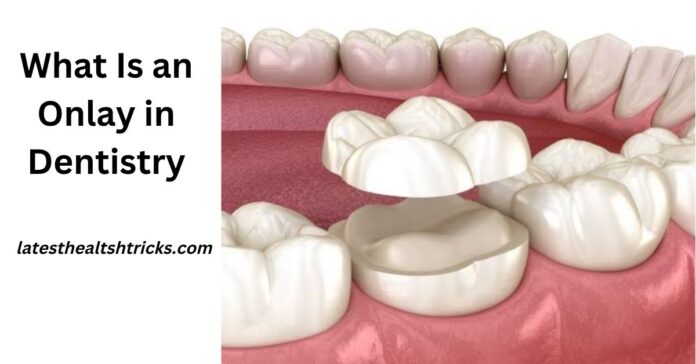
An onlay in dentistry is a custom-made dental restoration used to repair a tooth that has moderate damage, decay, or fractures but does not require a full crown.
Unlike a traditional filling that only fills a cavity, an onlay covers one or more of the tooth’s chewing cusps and extends over a larger portion of the tooth surface.
The restoration is carefully designed to fit the exact shape of your tooth. Once bonded in place, it strengthens the tooth and restores normal function.
Dental onlays are commonly made from:
- Porcelain
- Ceramic
- Composite resin
- Gold alloys
Today, porcelain and ceramic onlays are among the most popular choices because they closely match the natural color of teeth.
What Is an Inlay and Onlay in Dentistry?
Many patients hear the terms inlay and onlay together and wonder about the difference.
Understanding what is an inlay and onlay in dentistry is important because both treatments are designed to repair damaged teeth while preserving natural tooth structure.
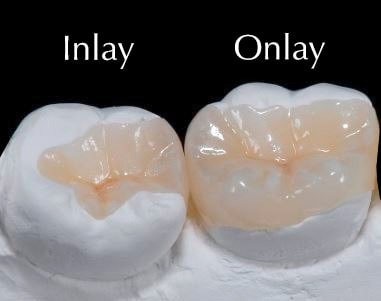
What Is an Inlay?
An inlay fits inside the grooves of a tooth and does not cover the cusps. It is used when damage is limited to the center portion of the tooth.
What Is an Onlay?
An onlay covers a larger area and extends over one or more tooth cusps. It is used when the damage is more extensive but not severe enough to require a crown.
In simple terms:
- Inlays fit within the tooth.
- Onlays extend over parts of the tooth.
Both options are stronger and more durable than traditional fillings.
What Is an Inlay or Onlay in Dentistry?
When dentists discuss restorative dentistry, they often refer to “inlays or onlays” because these treatments fall into the same category of indirect restorations.
So, what is an inlay or onlay in dentistry?
It is a custom-made restoration created outside the mouth and then bonded to the tooth. Unlike fillings, which are placed directly into the tooth during one appointment, inlays and onlays are fabricated with precision for a more accurate fit.
They provide:
- Better durability
- Improved aesthetics
- Stronger tooth support
- Longer-lasting results
Why Would Someone Need a Dental Onlay?
A dentist may recommend an onlay for several reasons.
Also Read: What Is a Cap in Dentistry? A Complete Guide to Dental Caps, Crowns, Benefits, Costs, and Care
Large Cavities
When a cavity is too large for a filling but not large enough for a crown, an onlay can be the ideal solution.
Cracked Teeth
Onlays can strengthen cracked teeth and prevent further damage.
Worn Teeth
Years of grinding or chewing can wear down tooth surfaces. An onlay restores the lost structure.
Replacement of Old Fillings
Large old fillings can weaken a tooth over time. Replacing them with an onlay often provides better support.
Fractured Cusps
When a tooth cusp breaks, an onlay can rebuild and protect the affected area.
How Does a Dental Onlay Work?
Dental onlays function by reinforcing weakened tooth structure.
The restoration bonds directly to the remaining healthy tooth tissue, creating a strong and stable connection.
Unlike crowns, which require significant removal of healthy tooth material, onlays preserve much more of the natural tooth.
This conservative approach helps maintain long-term tooth health.
Types of Dental Onlays
Different materials are available depending on your needs and preferences.
Porcelain Onlays
Porcelain onlays are highly popular because they:
- Match natural teeth
- Resist staining
- Provide excellent durability
- Offer attractive aesthetics
Ceramic Onlays
Ceramic restorations provide a natural appearance and strong performance.
They are commonly used in visible areas of the mouth.
Composite Resin Onlays
Composite onlays are less expensive but may not last as long as porcelain or ceramic options.
Gold Onlays
Gold remains one of the strongest dental materials available.
Benefits include:
- Exceptional durability
- Excellent fit
- Long lifespan
However, many patients prefer tooth-colored alternatives for cosmetic reasons.
Benefits of Dental Onlays
Dental onlays offer numerous advantages.
Preserve Natural Tooth Structure
One of the biggest benefits is that less healthy tooth material must be removed compared to a crown.
Increased Strength
Onlays strengthen weakened teeth and reduce the risk of fractures.
Long-Lasting Results
Properly maintained onlays can last 10 to 20 years or even longer.
Natural Appearance
Modern ceramic and porcelain onlays blend seamlessly with surrounding teeth.
Better Fit
Custom fabrication allows precise adaptation to the tooth.
Reduced Future Damage
By covering vulnerable areas, onlays help prevent additional wear and fractures.
Dental Onlay Procedure: Step-by-Step
Understanding the treatment process can reduce anxiety and help patients know what to expect.
Initial Examination
The dentist examines the tooth using:
- Visual inspection
- Dental X-rays
- Digital imaging
This helps determine whether an onlay is the best treatment option.
Tooth Preparation
Any decay or damaged tissue is removed.
The tooth is then shaped to accommodate the onlay.
Dental Impressions
The dentist takes impressions or digital scans of the prepared tooth.
These measurements are sent to a dental laboratory.
Temporary Restoration
A temporary filling or covering may be placed while the permanent onlay is being fabricated.
Onlay Fabrication
Dental technicians create the custom restoration using advanced materials and technology.
Final Placement
During the second appointment:
- The temporary restoration is removed.
- The onlay is checked for fit.
- Adjustments are made if necessary.
- The onlay is bonded permanently to the tooth.
The dentist polishes the restoration and checks your bite.
Same-Day Dental Onlays
Many modern dental offices now offer same-day onlays using CAD/CAM technology.
This process involves:
- Digital scanning
- Computer-aided design
- In-office milling
Patients can often receive their custom restoration in a single visit.
Benefits include:
- Fewer appointments
- Faster treatment
- Immediate results
Onlay vs Filling: Which Is Better?
Many patients compare onlays and fillings.
Fillings
Fillings are ideal for:
- Small cavities
- Minor damage
- Early decay
Onlays
Onlays are better for:
- Larger cavities
- Cracked teeth
- Damaged cusps
- Teeth needing additional strength
In many cases, onlays last longer and provide superior support compared to large fillings.
Onlay vs Crown
A common question is whether an onlay or crown is the better option.
Dental Crown
A crown covers the entire visible portion of a tooth.
Crowns are often necessary when extensive damage is present.
Dental Onlay
An onlay covers only the damaged portion while preserving healthy tooth structure.
Many dentists prefer onlays whenever possible because they are less invasive.
How Long Do Dental Onlays Last?
One reason onlays remain popular is their longevity.
Average lifespan:
- Composite onlays: 5–10 years
- Porcelain onlays: 10–20 years
- Ceramic onlays: 10–20 years
- Gold onlays: 20 years or longer
Proper oral hygiene significantly affects durability.
Factors That Affect Onlay Lifespan
Several factors influence how long an onlay lasts.
Oral Hygiene
Regular brushing and flossing help prevent decay around the restoration.
Diet
Excessive consumption of hard foods can increase wear.
Teeth Grinding
Bruxism can place significant pressure on restorations.
Dental Checkups
Routine visits help detect problems before they become serious.
Is Getting an Onlay Painful?
Most patients experience very little discomfort.
Local anesthesia is typically used during treatment.
After placement, some mild sensitivity may occur for a few days.
This usually resolves naturally.
Many patients report that receiving an onlay is no more uncomfortable than getting a filling.
How Much Does a Dental Onlay Cost?
The cost of an onlay varies depending on several factors.
These include:
- Geographic location
- Material used
- Dentist experience
- Laboratory fees
- Insurance coverage
In the United States, dental onlays generally range from approximately $650 to $2,500 per tooth.
Porcelain and ceramic restorations often cost more than composite alternatives.
Insurance may cover part of the procedure when it is considered medically necessary.
Are Dental Onlays Covered by Insurance?
Many dental insurance plans provide partial coverage for onlays.
Coverage depends on:
- Your specific plan
- Deductibles
- Annual maximums
- Medical necessity
Patients should contact their insurance provider for exact benefits.
Caring for a Dental Onlay
Maintaining an onlay is simple.
Brush Twice Daily
Use fluoride toothpaste and a soft-bristled toothbrush.
Floss Every Day
Remove plaque and food debris around the restoration.
Avoid Excessive Force
Do not use teeth to open packages or bite hard objects.
Attend Regular Checkups
Professional cleanings help extend restoration life.
Wear a Night Guard if Needed
Patients who grind their teeth may benefit from protective appliances.
Potential Risks of Dental Onlays
Although highly successful, onlays have a few potential risks.
Tooth Sensitivity
Temporary sensitivity may occur after placement.
Chipping
Porcelain can occasionally chip under extreme force.
Bond Failure
In rare cases, the bonding material may weaken.
Secondary Decay
Poor oral hygiene can lead to decay around the restoration margins.
Most complications are uncommon and can often be prevented with proper care.
Who Is a Good Candidate for a Dental Onlay?
You may be a candidate if you have:
- Moderate tooth decay
- Large fillings
- Cracked teeth
- Broken cusps
- Adequate healthy tooth structure
A dental evaluation is necessary to determine suitability.
Why Modern Dentists Prefer Onlays
Modern dentistry increasingly emphasizes conservative treatment.
Onlays align perfectly with this philosophy because they:
- Preserve healthy tooth structure
- Provide excellent durability
- Maintain natural appearance
- Reduce unnecessary tooth removal
Many dental professionals consider onlays one of the best restorative options available when crowns are not yet required.
Also Read: Does Medicare Cover Dentistry? Complete 2026 Guide to Dental Coverage Under Medicare
Expert Insight: Are Onlays Worth It?
From a long-term dental health perspective, onlays often provide excellent value.
While they may cost more upfront than fillings, they can:
- Last significantly longer
- Protect the tooth more effectively
- Reduce future treatment needs
- Preserve natural tooth structure
For many patients, this makes them a smart investment in oral health.
The Future of Dental Onlays
Digital dentistry continues to improve treatment quality.
Emerging technologies include:
- AI-assisted restoration design
- Advanced ceramic materials
- Faster same-day fabrication
- Improved bonding systems
These innovations are making onlays stronger, more precise, and more convenient than ever before.
Conclusion
If you’ve been asking what is an onlay in dentistry, the answer is simple: it is a custom-made restoration that repairs and strengthens damaged teeth while preserving as much natural tooth structure as possible.
Compared with fillings and crowns, onlays offer a balanced solution for many dental problems. They provide exceptional durability, attractive aesthetics, and long-term protection for weakened teeth.
Understanding what is an inlay and onlay in dentistry and what is an inlay or onlay in dentistry can help you discuss treatment options confidently with your dentist. As modern dentistry continues to advance, onlays remain one of the most effective and conservative restorative treatments available.
Frequently Asked Questions About Dental Onlays
Can a dental onlay be whitened?
No. Dental onlays do not respond to whitening treatments. If you plan to whiten your teeth, it is usually best to do so before receiving the restoration.
Can an onlay fall off?
Although uncommon, an onlay can become loose if the bonding material fails or if excessive force is applied. Contact your dentist immediately if this occurs.
Can I eat normally after getting an onlay?
Yes. Once the permanent onlay is securely bonded, you can return to your normal diet, although avoiding extremely hard foods is recommended.
Are onlays better for back teeth?
Yes. Onlays are especially useful for molars and premolars because these teeth experience the greatest chewing forces.
Can an old crown be replaced with an onlay?
Usually not. If a tooth already requires a full crown, replacing it with an onlay may not provide enough coverage. Your dentist will evaluate the tooth’s condition.
Are onlays safe for children?
In some situations, yes. However, treatment decisions depend on age, tooth development, and the extent of damage.
Do onlays look natural?
Modern porcelain and ceramic onlays are designed to closely mimic natural teeth, making them difficult to detect.
How soon can I return to work after the procedure?
Most patients return to normal activities immediately after treatment.
Can an onlay prevent root canal treatment?
In some cases, restoring and protecting a damaged tooth early with an onlay may help prevent deeper damage that could eventually require a root canal.
Is a dental onlay a permanent solution?
While no dental restoration lasts forever, high-quality onlays can provide decades of reliable service when properly maintained.