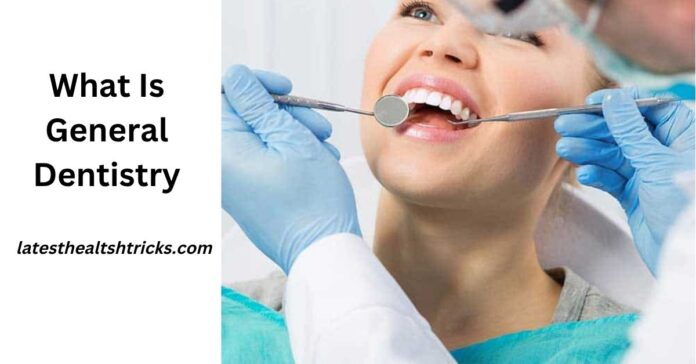
Many people visit a dentist every year, but not everyone fully understands what general dentistry really means. If you have ever asked yourself “what is general dentistry,” you are not alone. This is one of the most searched dental topics in the United States because people want to know what services general dentists provide and how these services protect overall health.
General dentistry is the foundation of oral healthcare. It includes the prevention, diagnosis, and treatment of common dental problems. A general dentist helps patients maintain healthy teeth, gums, and mouths through routine care and modern dental treatments.
From regular cleanings to fillings, root canals, oral exams, and gum disease treatment, general dentistry covers many important services. General dentists also educate patients about oral hygiene and help prevent future dental issues before they become serious and expensive.
Today, modern dental care is more advanced, comfortable, and personalized than ever before. Digital imaging, laser dentistry, and minimally invasive procedures have improved patient experiences significantly. General dentistry is no longer just about fixing cavities. It now focuses on long-term oral health, preventive care, and improving quality of life.
.
What Is General Dentistry?
General dentistry is the branch of dentistry that focuses on the overall care and maintenance of oral health. It includes preventive, restorative, diagnostic, and sometimes cosmetic dental services for patients of all ages.
A general dentist is usually the primary dental care provider for individuals and families. These dentists diagnose oral health problems, provide treatments, and help patients maintain healthy teeth and gums.
When people ask “what is a general dentistry,” they are usually referring to the role of a general dentist and the wide range of services they offer.

General dentistry includes:
- Routine dental exams
- Professional teeth cleanings
- Fillings for cavities
- Root canal treatment
- Gum disease treatment
- Tooth extractions
- Oral cancer screenings
- Preventive education
- X-rays and diagnostics
- Crowns and bridges
- Dentures
- Cosmetic improvements
General dentists are trained to identify many oral health conditions before they become severe. Regular dental visits help reduce the risk of major dental problems and support overall wellness.
Why General Dentistry Is Important
General dentistry plays a major role in protecting both oral and overall health. Poor oral health can affect many parts of the body, including the heart, lungs, and immune system.
Healthy teeth and gums help people:
- Eat comfortably
- Speak clearly
- Smile confidently
- Prevent infections
- Avoid tooth loss
- Improve overall health
Many serious dental problems begin without pain or obvious symptoms. Regular visits to a general dentist help detect issues early, making treatment easier and less expensive.
Also Read: What Is Laser Dentistry? A Complete Guide to Modern Dental Care in 2026
General dentistry also supports preventive healthcare. Preventive care reduces the chance of developing severe oral diseases that may require surgery or complex treatment later.
What Is Considered General Dentistry?
Many people wonder what is considered general dentistry because the field covers a wide range of treatments and procedures.
General dentistry usually includes services that support routine oral health and basic dental care. These services are designed to prevent, diagnose, and treat common dental conditions.
Common services considered part of general dentistry include:
Preventive Dentistry
Preventive care helps stop dental problems before they start.
Examples include:
- Dental exams
- Teeth cleanings
- Fluoride treatments
- Dental sealants
- Oral hygiene education
- X-rays
Restorative Dentistry
Restorative procedures repair damaged or missing teeth.
Examples include:
- Fillings
- Crowns
- Bridges
- Dentures
- Dental implants
- Root canals
Diagnostic Services
General dentists use diagnostic tools to identify oral health issues.
Examples include:
- Oral exams
- Digital X-rays
- Oral cancer screenings
- Gum evaluations
Minor Cosmetic Procedures
Some cosmetic treatments are also part of general dentistry.
Examples include:
- Teeth whitening
- Tooth bonding
- Veneers in some offices
General dentistry focuses on maintaining functional and healthy teeth while improving appearance when needed.
What Is General Dentistry Services?
If you are asking “what is general dentistry services,” the answer includes all routine dental procedures provided by a general dentist to maintain oral health.
Below are the most common general dentistry services available today.
Dental Exams and Checkups
Routine dental exams are one of the most important services in general dentistry.
During an exam, the dentist checks for:
- Cavities
- Gum disease
- Oral infections
- Tooth damage
- Oral cancer
- Bite issues
Most dentists recommend dental checkups every six months.
Regular exams allow dentists to find small problems before they become major issues.
Professional Teeth Cleaning
Professional cleanings remove plaque and tartar that brushing alone cannot remove.
Dental hygienists use specialized tools to clean teeth thoroughly and polish them afterward.
Benefits of professional cleaning include:
- Fresher breath
- Reduced gum disease risk
- Lower cavity risk
- Cleaner teeth
- Better oral health
Professional cleanings are essential even for people who brush and floss daily.
Dental Fillings
Fillings repair teeth damaged by cavities.
Modern fillings often use tooth-colored composite materials that blend naturally with teeth.
The dentist removes decay and fills the area to restore the tooth’s shape and function.
Early cavity treatment prevents more serious damage later.
Root Canal Therapy
Root canal treatment saves infected teeth.
This procedure removes infected pulp from inside the tooth, cleans the area, and seals it to prevent further infection.
Many people fear root canals, but modern dentistry has made the process much more comfortable.
Root canal therapy helps preserve natural teeth and avoid extraction.
Gum Disease Treatment
Gum disease is one of the most common oral health conditions in adults.
General dentists provide treatment for:
- Gingivitis
- Periodontitis
- Gum infections
Treatment may include:
- Deep cleaning
- Scaling and root planing
- Antibiotics
- Improved oral hygiene guidance
Untreated gum disease can lead to tooth loss and serious health complications.
Tooth Extractions
Sometimes a tooth cannot be saved and must be removed.
General dentists perform extractions for:
- Severe decay
- Infection
- Crowded teeth
- Broken teeth
- Wisdom tooth problems
Dentists use local anesthesia to reduce discomfort during extraction.
Dental Crowns
Crowns are caps placed over damaged teeth.
They restore:
- Strength
- Shape
- Appearance
- Function
Crowns are often used after root canals or for severely damaged teeth.
Bridges and Dentures
Missing teeth can affect speech, chewing, and confidence.
General dentists provide bridges and dentures to replace missing teeth and restore oral function.
Modern dentures are more natural-looking and comfortable than older versions.
Dental Implants
Some general dentists offer dental implants.
Implants replace missing tooth roots with titanium posts that support crowns.
Benefits include:
- Natural appearance
- Long-lasting results
- Improved chewing
- Better jawbone support
Dental implants are one of the most effective tooth replacement options available today.
Oral Cancer Screenings
Oral cancer screenings are an important part of general dentistry.
Dentists examine the mouth, tongue, throat, and surrounding tissues for abnormal changes.
Early detection greatly improves treatment success rates.
Emergency Dental Care
General dentists also handle many dental emergencies.
Examples include:
- Severe tooth pain
- Broken teeth
- Lost fillings
- Swelling
- Infections
- Dental injuries
Quick treatment helps prevent complications and reduces pain.
What Does a General Dentist Do?
A general dentist provides comprehensive oral healthcare for patients of all ages.
Responsibilities include:
- Diagnosing dental conditions
- Performing treatments
- Educating patients
- Monitoring oral health
- Preventing dental disease
- Creating treatment plans
General dentists are trained in many aspects of dentistry, making them the first point of contact for most dental concerns.
If specialized care is needed, they may refer patients to specialists such as orthodontists, oral surgeons, or periodontists.
Difference Between General Dentistry and Specialized Dentistry
General dentistry covers broad oral healthcare, while specialists focus on specific areas.
Examples of dental specialists include:
- Orthodontists
- Oral surgeons
- Endodontists
- Periodontists
- Pediatric dentists
General dentists handle routine dental care, while specialists manage complex or advanced procedures.
For example:
- A general dentist may perform a root canal
- An orthodontist focuses on braces
- A periodontist specializes in gum disease
General dentistry serves as the foundation of dental healthcare.
Modern Technology in General Dentistry
Dental technology has improved dramatically in recent years.
Modern general dentistry now includes advanced tools that improve comfort, accuracy, and treatment outcomes.
Digital X-Rays
Digital X-rays provide clearer images with less radiation exposure.
ALso Read: What Is Root Planing in Dentistry? A Complete Guide to Deep Cleaning for Healthy Gums
They help dentists detect:
- Cavities
- Bone loss
- Infections
- Impacted teeth
Intraoral Cameras
Small cameras allow dentists and patients to see detailed images inside the mouth.
This improves communication and treatment understanding.
Laser Dentistry
Laser technology is used for:
- Gum treatment
- Cavity removal
- Soft tissue procedures
Lasers can reduce discomfort and healing time.
CAD/CAM Technology
Some dental offices create crowns and restorations on-site using computer technology.
This allows same-day restorations in some cases.
Preventive Care in General Dentistry
Prevention is one of the most important parts of general dentistry.
Preventive care saves patients time, money, and discomfort.
Key preventive practices include:
- Brushing twice daily
- Flossing daily
- Limiting sugar intake
- Regular dental visits
- Professional cleanings
- Using fluoride toothpaste
Preventive care reduces the need for extensive dental procedures later.
The Connection Between Oral Health and Overall Health
Research continues to show a strong connection between oral health and overall health.
Poor oral health may contribute to:
- Heart disease
- Diabetes complications
- Respiratory infections
- Pregnancy complications
Inflammation and bacteria from gum disease can affect other parts of the body.
General dentistry helps support overall wellness through preventive care and early treatment.
What Is General Anesthesia in Dentistry?
Many patients also search for “what is general anesthesia in dentistry.”
General anesthesia is a medication-induced state of deep sleep used during certain dental procedures.
Under general anesthesia, patients are completely unconscious and do not feel pain during treatment.
General anesthesia may be used for:
- Extensive oral surgery
- Severe dental anxiety
- Special needs patients
- Complex procedures
- Young children requiring major treatment
This differs from local anesthesia, which only numbs a specific area while the patient remains awake.
General anesthesia is carefully monitored by trained professionals to ensure patient safety.
Who Needs General Dentistry?
General dentistry is important for everyone, including:
- Children
- Teenagers
- Adults
- Seniors
Every age group benefits from regular dental care.
Children
Children need preventive care and monitoring as teeth develop.
Adults
Adults require maintenance, restorations, and gum disease prevention.
Seniors
Older adults often need treatment for tooth wear, gum recession, and tooth replacement.
General dentists create personalized treatment plans based on each patient’s needs.
How Often Should You Visit a General Dentist?
Most people should visit a general dentist every six months.
However, some patients may need more frequent visits if they have:
- Gum disease
- High cavity risk
- Diabetes
- Smoking habits
- Ongoing dental issues
Regular visits help maintain long-term oral health.
Signs You Should See a General Dentist
You should schedule a dental visit if you experience:
- Tooth pain
- Bleeding gums
- Bad breath
- Sensitivity
- Loose teeth
- Mouth sores
- Jaw pain
- Swelling
- Difficulty chewing
Ignoring symptoms can lead to more serious problems later.
How to Choose the Right General Dentist
Choosing the right dentist is important for comfort and quality care.
Consider the following factors:
Experience and Qualifications
Look for licensed dentists with strong experience and ongoing education.
Modern Technology
Advanced technology often improves diagnosis and treatment quality.
Patient Reviews
Online reviews provide insight into patient experiences.
Office Environment
A clean and welcoming office improves comfort.
Communication
A good dentist explains treatments clearly and answers questions patiently.
The Cost of General Dentistry
Dental costs vary depending on:
- Location
- Procedure type
- Insurance coverage
- Dentist experience
Preventive care is usually less expensive than major restorative procedures.
Many dental insurance plans cover:
- Exams
- Cleanings
- X-rays
- Basic treatments
Investing in preventive care often reduces long-term dental expenses.
Also Read: What Is a Mini Implant in Dentistry? A Complete Beginner’s Guide
Common Myths About General Dentistry
Many misconceptions prevent people from getting proper dental care.
Myth 1: Dental Visits Are Only Necessary for Pain
Many dental problems develop silently without pain.
Regular checkups help catch issues early.
Myth 2: Brushing Alone Is Enough
Brushing is important, but professional cleanings remove hardened tartar.
Myth 3: Baby Teeth Are Not Important
Healthy baby teeth support speech, chewing, and proper development.
Myth 4: Dental Treatment Is Extremely Painful
Modern dentistry focuses heavily on patient comfort and pain management.
The Future of General Dentistry
General dentistry continues to evolve with new technologies and treatment methods.
Future trends may include:
- Artificial intelligence diagnostics
- 3D printing
- Advanced digital scanning
- More minimally invasive procedures
- Personalized dental treatments
These innovations may improve patient outcomes and accessibility.
Why Preventive Dentistry Saves Money
Many people avoid dental visits because of cost concerns, but preventive care is usually much less expensive than emergency treatment.
For example:
- A routine cleaning costs far less than a root canal
- Early cavity treatment prevents expensive crowns
- Gum disease prevention reduces tooth loss risk
Preventive general dentistry protects both oral health and financial health.
How Lifestyle Affects Oral Health
Lifestyle choices strongly impact dental health.
Factors that increase dental problems include:
- Smoking
- High sugar intake
- Poor oral hygiene
- Excessive alcohol use
- Stress
- Teeth grinding
Healthy habits support better long-term dental outcomes.
Nutrition and General Dentistry
Diet plays an important role in oral health.
Foods that support healthy teeth include:
- Dairy products
- Leafy greens
- Crunchy vegetables
- Nuts
- Water-rich fruits
Foods that increase cavity risk include:
- Sugary drinks
- Sticky candy
- Processed snacks
General dentists often provide nutritional guidance for better oral health.
Dental Anxiety and Patient Comfort
Many people feel nervous about dental visits.
Modern general dentistry offers solutions such as:
- Gentle techniques
- Sedation options
- Better pain management
- Comfortable office environments
Open communication with the dentist can help reduce fear and anxiety.
How General Dentistry Improves Confidence
Healthy teeth and gums affect appearance and self-esteem.
General dentistry helps people:
- Smile confidently
- Improve speech
- Eat comfortably
- Feel better socially
Even simple treatments can greatly improve quality of life.
Frequently Asked Questions About What Is General Dentistry
What is general dentistry in simple words?
General dentistry is routine dental care that helps keep teeth, gums, and the mouth healthy through prevention, diagnosis, and treatment.
What is a general dentistry office?
A general dentistry office is a dental clinic that provides common oral healthcare services such as cleanings, fillings, exams, and preventive care.
What is considered general dentistry treatment?
General dentistry treatment includes cleanings, fillings, crowns, root canals, gum treatment, tooth extractions, and oral exams.
What is general dentistry services for families?
Family general dentistry services provide oral healthcare for children, adults, and seniors in one dental office.
What is general anesthesia in dentistry used for?
General anesthesia in dentistry is used for complex procedures or patients who need deep sedation during treatment.
How long does a dental cleaning take?
Most professional cleanings take between 30 minutes and one hour.
Are general dentists qualified to do root canals?
Yes, many general dentists perform root canal therapy, although difficult cases may be referred to specialists.
Can a general dentist perform cosmetic procedures?
Yes, many general dentists provide cosmetic treatments such as whitening, bonding, and veneers.
Is general dentistry safe?
Yes, modern general dentistry is very safe and follows strict health and sterilization standards.
How can I maintain good oral health at home?
Brush twice daily, floss every day, eat healthy foods, limit sugar, and visit the dentist regularly.
Conclusion
Understanding what is general dentistry is important for making informed decisions about oral health. General dentistry covers the prevention, diagnosis, and treatment of common dental conditions while supporting long-term wellness.
General dentists provide essential services such as cleanings, fillings, root canals, gum treatment, oral exams, and preventive education. These services help people maintain healthy smiles and avoid serious dental complications.
Modern dental technology has made treatments more comfortable, effective, and accessible than ever before. Preventive care remains one of the best investments people can make for their health and quality of life.
Whether you need a routine cleaning, treatment for tooth pain, or guidance about oral hygiene, general dentistry plays a critical role in protecting your smile and overall health for years to come.