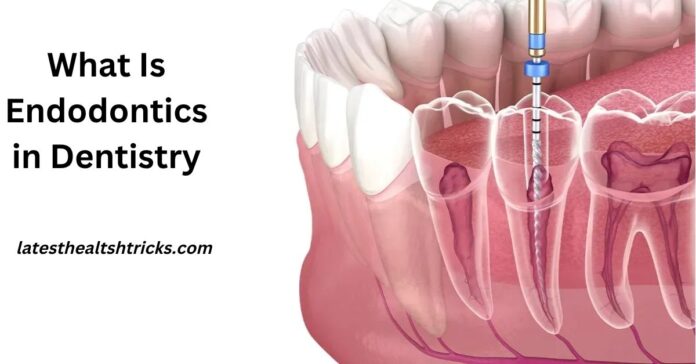
Many people hear the word endodontics only when a dentist mentions a root canal. This often creates anxiety because root canal treatment has been misunderstood for years. However, modern endodontics is one of the most important and advanced areas of dentistry. It helps save natural teeth, eliminate pain, and prevent serious oral health problems.
So, what is endodontics in dentistry?
Endodontics is a specialized branch of dentistry that focuses on diagnosing, preventing, and treating diseases and injuries that affect the dental pulp and tissues surrounding the roots of teeth. The dental pulp is the soft tissue inside a tooth that contains nerves, blood vessels, and connective tissues.
The term endodontics comes from the Greek words “endo,” meaning inside, and “odont,” meaning tooth. In simple terms, endodontics deals with the inside of the tooth.
Today, advancements in dental technology have transformed endodontic treatments. Procedures are more comfortable, faster, and more successful than ever before. Understanding what is endodontics in dentistry can help patients make informed decisions about preserving their natural teeth and maintaining long-term oral health.
What Is Endodontics in Dentistry?
To fully understand what is endodontics in dentistry, it is important to know the structure of a tooth.
Each tooth has several layers:
- Enamel (the hard outer layer)
- Dentin (the layer beneath enamel)
- Dental pulp (the soft inner tissue)
The dental pulp contains nerves and blood vessels that help the tooth grow and develop. Once a tooth is fully mature, it can survive without the pulp because surrounding tissues continue supplying nutrients.
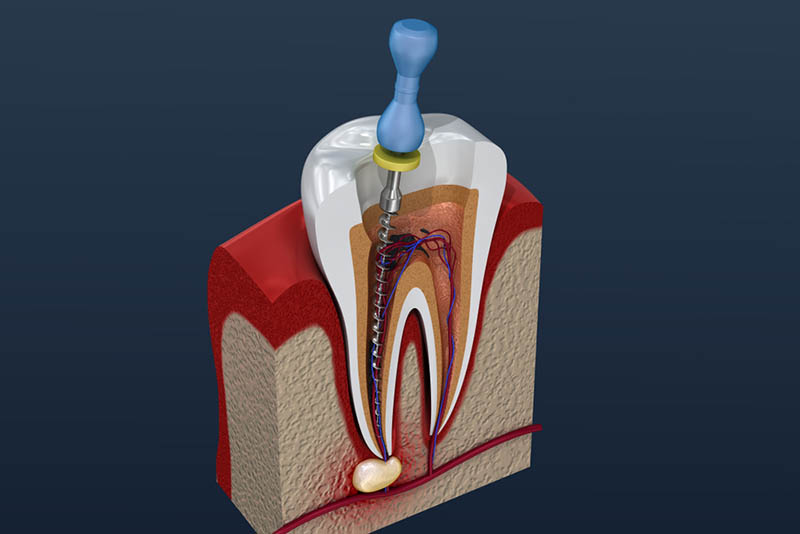
When the pulp becomes infected, inflamed, or damaged, endodontic treatment becomes necessary. Without treatment, the infection can spread, causing severe pain, abscesses, bone loss, and even tooth loss.
Endodontics focuses on treating these problems while preserving the natural tooth whenever possible.
What Is an Endodontics in Dentistry Specialist?
A common question patients ask is: what is an endodontics in dentistry specialist?
An endodontist is a dentist who receives additional years of specialized training beyond dental school. These professionals focus exclusively on diagnosing tooth pain and performing treatments involving the dental pulp and root canal system.
While general dentists can perform root canal procedures, endodontists handle more complex cases because they have advanced knowledge and specialized equipment.
An endodontist typically performs:
- Root canal treatment
- Endodontic retreatment
- Apicoectomy procedures
- Treatment of traumatic dental injuries
- Diagnosis of complex tooth pain
- Management of cracked teeth
Because they perform these procedures daily, endodontists often achieve excellent success rates in saving natural teeth.
Why Endodontics Is Important in Modern Dentistry
Modern dentistry places a strong emphasis on preserving natural teeth whenever possible.
In the past, severely infected teeth were often extracted. Today, endodontic treatment allows dentists to save teeth that would otherwise be lost.
Also Read: What Is Abutment in Dentistry? A Complete Guide to Dental Abutments, Types, Benefits, and Procedures
There are several reasons why saving natural teeth is beneficial:
- Maintains natural chewing ability
- Preserves jawbone health
- Supports proper speech
- Maintains natural appearance
- Prevents neighboring teeth from shifting
- Reduces the need for more extensive treatments
Understanding what is endodontics in dentistry helps patients appreciate how this specialty contributes to overall oral health and quality of life.
Understanding Dental Pulp and Its Function
The dental pulp is the living center of a tooth.
It performs several important functions during tooth development:
Sensory Function
The pulp contains nerves that detect temperature, pressure, and pain.
Nutritional Function
Blood vessels within the pulp provide nutrients to the tooth.
Protective Function
The pulp helps produce dentin, which protects the tooth structure.
Developmental Function
During tooth formation, the pulp plays a critical role in growth and maturation.
Once a tooth is fully developed, the pulp becomes less essential. This is why a tooth can remain functional even after root canal treatment removes the pulp tissue.
Common Conditions Treated by Endodontics
Several dental problems may require endodontic treatment.
Deep Tooth Decay
Untreated cavities can eventually reach the pulp, leading to infection and inflammation.
Cracked Teeth
A crack can allow bacteria to enter the pulp chamber.
Dental Trauma
Accidents and sports injuries can damage the pulp even when no visible crack is present.
Repeated Dental Procedures
Multiple restorations on the same tooth may irritate or damage the pulp.
Severe Tooth Wear
Grinding or excessive wear can expose the pulp over time.
Dental Abscess
A bacterial infection can create a pocket of pus around the root, causing severe pain and swelling.
Signs You May Need Endodontic Treatment
Recognizing symptoms early can help prevent complications.
Common warning signs include:
- Persistent tooth pain
- Sensitivity to hot or cold temperatures
- Swollen gums
- Tooth discoloration
- Pain while chewing
- Tenderness around the tooth
- Facial swelling
- A pimple-like bump on the gums
Sometimes there are no symptoms at all. In these cases, infections may be discovered during routine dental examinations and X-rays.
Also Read: How Long Is Dentistry School? A Complete Guide to Becoming a Dentist in 2026
The Most Common Endodontic Procedure: Root Canal Treatment
When discussing what is endodontics in dentistry, root canal treatment is usually the first procedure that comes to mind.
A root canal is designed to remove infected or damaged pulp while preserving the outer structure of the tooth.
Step 1: Examination and Diagnosis
The dentist evaluates symptoms and takes digital X-rays.
Step 2: Local Anesthesia
The area is numbed to ensure patient comfort.
Step 3: Access Opening
A small opening is created in the tooth.
Step 4: Removal of Infected Pulp
The damaged pulp is carefully removed.
Step 5: Cleaning and Shaping
The root canals are cleaned and disinfected.
Step 6: Filling the Canals
The empty canals are sealed using a biocompatible material.
Step 7: Restoration
A filling or crown is placed to restore strength and function.
Modern root canal treatment is similar to receiving a routine filling in terms of comfort.
Is Root Canal Treatment Painful?
One of the biggest myths surrounding endodontics is that root canals are painful.
In reality, modern techniques, improved anesthetics, and advanced equipment have made root canal treatment highly comfortable.
Most patients report that the procedure relieves pain rather than causes it.
The discomfort experienced before treatment is often caused by the infection itself, not the procedure.
Advanced Endodontic Procedures
Beyond root canals, endodontists perform several specialized treatments.
Endodontic Retreatment
Sometimes a previously treated tooth fails to heal properly.
Retreatment involves:
- Removing existing filling materials
- Cleaning the canals again
- Addressing hidden anatomy
- Resealing the tooth
Apicoectomy
An apicoectomy is a minor surgical procedure.
The endodontist removes:
- The root tip
- Infected tissue surrounding the root
This treatment is often recommended when standard root canal therapy is insufficient.
Treatment of Dental Trauma
Endodontists frequently manage injuries caused by:
- Falls
- Sports accidents
- Vehicle collisions
- Workplace injuries
Prompt treatment can significantly improve the chances of saving damaged teeth.
Technologies Used in Modern Endodontics
Technological advancements have dramatically improved treatment outcomes.
Digital Radiography
Provides highly detailed images with lower radiation exposure.
Cone Beam Computed Tomography (CBCT)
Creates three-dimensional images for precise diagnosis.
Dental Operating Microscopes
Allow endodontists to view tiny canal structures.
Ultrasonic Instruments
Improve cleaning and treatment precision.
Electronic Apex Locators
Help determine exact canal length.
Laser-Assisted Procedures
May enhance cleaning and disinfection in selected cases.
These innovations contribute to higher success rates and improved patient comfort.
Success Rates of Endodontic Treatment
Endodontic treatment is one of the most successful procedures in dentistry.
Research consistently shows success rates above 85% to 95% when treatment is performed properly and followed by appropriate restoration.
Many treated teeth can last a lifetime.
Factors affecting success include:
- Early diagnosis
- Quality of treatment
- Oral hygiene habits
- Timely placement of a crown
- Regular dental checkups
Root Canal Versus Tooth Extraction
Patients often wonder whether saving a tooth is better than extracting it.
In most situations, preserving a natural tooth is the preferred option.
Advantages of Saving the Tooth
- Natural appearance
- Better chewing efficiency
- Lower long-term costs
- Preservation of jawbone
- Reduced need for replacement procedures
Challenges of Extraction
After extraction, patients may need:
- Dental implants
- Bridges
- Partial dentures
These treatments can be more expensive and time-consuming than endodontic therapy.
How Long Does Endodontic Treatment Take?
Treatment time depends on the complexity of the case.
Simple root canals may require:
- One appointment
- Approximately 60 to 90 minutes
More complex cases may require:
- Multiple visits
- Additional imaging
- Specialized procedures
Your endodontist will determine the most appropriate treatment plan.
Recovery After Endodontic Treatment
Most patients recover quickly.
Common post-treatment experiences include:
- Mild tenderness
- Temporary sensitivity
- Slight discomfort while chewing
Recovery tips include:
- Taking prescribed medications
- Avoiding hard foods initially
- Maintaining oral hygiene
- Attending follow-up appointments
Most discomfort resolves within a few days.
How to Prevent Problems That Require Endodontics
Prevention remains the best approach.
Healthy habits include:
- Brushing twice daily
- Flossing every day
- Using fluoride toothpaste
- Limiting sugary foods
- Wearing mouthguards during sports
- Addressing cavities early
- Visiting the dentist regularly
Preventive care significantly reduces the risk of pulp infections and root canal treatment.
Common Myths About Endodontics
Myth 1: Root Canals Are Extremely Painful
Modern procedures are comfortable and designed to relieve pain.
Myth 2: Extraction Is Always Better
Saving a natural tooth is usually the best long-term solution.
Myth 3: Root Canals Cause Illness
Scientific evidence does not support this claim.
Myth 4: Treatment Takes Many Appointments
Many procedures are completed in one or two visits.
Myth 5: The Tooth Dies Completely
Although the pulp is removed, the tooth remains functional and can last for decades.
The Future of Endodontics
The future of endodontics is exciting.
Emerging developments include:
- Regenerative endodontics
- Stem cell therapies
- Advanced biomaterials
- Artificial intelligence diagnostics
- Enhanced imaging technologies
- Minimally invasive treatment methods
Researchers are exploring ways to regenerate damaged pulp tissue rather than simply removing it.
These innovations may transform how dental infections are treated in the coming decades.
Why Understanding What Is Endodontics in Dentistry Matters
Many people underestimate the importance of endodontics until they experience severe tooth pain.
Understanding what is endodontics in dentistry empowers patients to:
- Seek treatment early
- Preserve natural teeth
- Avoid unnecessary extractions
- Improve oral health outcomes
- Reduce long-term dental costs
The specialty plays a crucial role in helping millions of people maintain healthy, functional smiles.
Conclusion
So, what is endodontics in dentistry?
Endodontics is the specialized field of dentistry dedicated to diagnosing and treating conditions affecting the dental pulp and root tissues. It focuses on saving natural teeth through procedures such as root canal treatment, endodontic retreatment, and surgical interventions when necessary.
Modern endodontics has evolved significantly, making treatments safer, faster, and more comfortable than ever before. With advanced technology, highly trained specialists, and strong success rates, endodontic care remains one of the most effective ways to preserve natural teeth and maintain lifelong oral health.
For anyone experiencing tooth pain, sensitivity, swelling, or signs of infection, seeking prompt evaluation can make the difference between saving and losing a tooth. Understanding what is an endodontics in dentistry specialty and how it works can help patients make informed decisions and protect their smiles for years to come.
Frequently Asked Questions (FAQs)
Can a root canal-treated tooth get a cavity?
Yes. Although the pulp has been removed, the outer tooth structure can still develop cavities if oral hygiene is poor.
How many root canals can one tooth have?
A tooth may have one or several root canals depending on its anatomy. Molars often contain three or more canals.
Do children ever need endodontic treatment?
Yes. Children can require pulp therapy or root canal procedures if deep decay or trauma damages a tooth.
Can I drive home after a root canal?
In most cases, yes. Local anesthesia does not usually affect your ability to drive.
Does dental insurance cover endodontic treatment?
Many dental insurance plans provide partial coverage for root canal therapy and related procedures, although benefits vary by plan.
Can a tooth survive without a crown after a root canal?
Some front teeth may not require crowns, but many back teeth benefit from crowns because they need additional strength and protection.
What foods should be avoided after treatment?
Avoid very hard, sticky, or crunchy foods until your dentist confirms that healing is progressing properly.
How often should I visit an endodontist after treatment?
Most patients only need follow-up visits as recommended. Regular dental checkups remain important for long-term monitoring.
Is endodontics only about root canals?
No. Endodontics includes diagnosis of tooth pain, treatment of dental trauma, endodontic surgery, retreatment procedures, and regenerative therapies.
Can pregnancy affect endodontic treatment?
Pregnant patients can often receive necessary endodontic care safely. Dentists and endodontists take special precautions to protect both mother and baby.