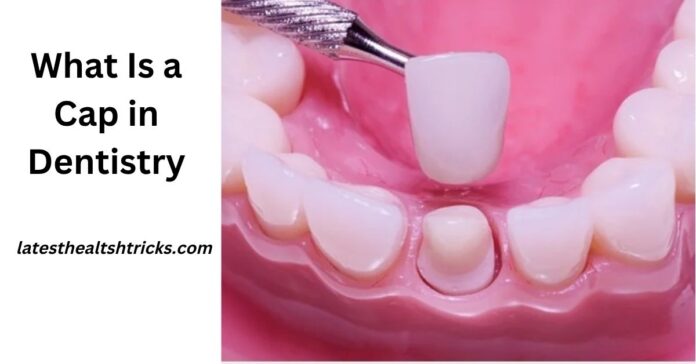
If you have ever visited a dentist because of a damaged tooth, you may have heard the term “dental cap.” Many people ask, “what is a cap in dentistry?” because they are unfamiliar with the treatment and how it helps restore oral health.
A dental cap, commonly called a dental crown, is a custom-made covering placed over a tooth. It works like a protective shield that restores the tooth’s shape, size, strength, and appearance. Dental caps are one of the most common restorative treatments used by dentists in the United States and around the world.
Modern dentistry has made dental caps stronger, more natural-looking, and more comfortable than ever before. Whether a tooth is cracked, weakened, worn down, or severely decayed, a dental cap can often save it from extraction while improving your smile and chewing ability.
In this comprehensive guide, you will learn everything you need to know about what is a cap in dentistry, including its purpose, types, benefits, procedure, costs, lifespan, risks, and maintenance tips.
What Is a Cap in Dentistry?
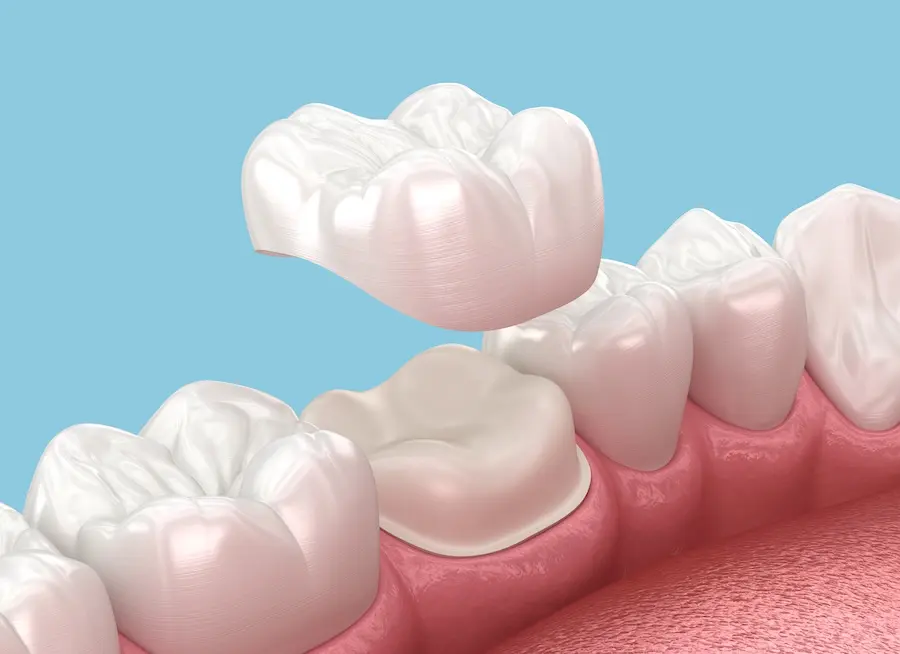
A cap in dentistry is a tooth-shaped covering that completely fits over an existing tooth. Dentists use it to protect, strengthen, and restore damaged teeth.
The term “cap” is commonly used by patients, while dental professionals usually call it a “crown.” Both terms refer to the same dental restoration.
When a tooth becomes damaged due to decay, injury, fractures, or extensive dental work, it may no longer be strong enough to function properly. A dental cap covers the entire visible portion of the tooth above the gum line, helping restore normal function and appearance.
Think of a dental cap as a protective helmet for your tooth. Once cemented into place, it becomes a permanent part of your smile and helps the tooth handle daily chewing and biting forces.
Why Would Someone Need a Dental Cap?
Understanding what is a cap in dentistry becomes easier when you know why dentists recommend them.
There are several situations where a dental cap may be necessary.
Protecting a Weak Tooth
A tooth weakened by decay, large fillings, or cracks may be at risk of breaking. A cap provides support and protection.
Restoring a Broken Tooth
Teeth can chip, crack, or break due to accidents, sports injuries, or biting hard foods. A cap restores the tooth’s structure and function.
Covering a Tooth After Root Canal Treatment
After a root canal, the tooth often becomes more fragile. A dental cap helps protect it from future damage.
Replacing a Missing Tooth
Dental caps are commonly attached to dental implants to replace missing teeth.
Supporting a Dental Bridge
A bridge often uses crowns on neighboring teeth for support.
Improving Appearance
Dental caps can improve the look of stained, misshapen, worn-down, or uneven teeth.
Covering Large Fillings
When a tooth has a large filling and not much natural structure remains, a crown provides additional strength.
Also Read: What Is General Dentistry? A Complete Guide to Modern Dental Care
How Does a Dental Cap Work?
A dental cap functions by completely covering and protecting a damaged tooth.
Once placed, the cap:
- Restores normal tooth shape
- Protects against further decay
- Improves chewing ability
- Prevents fractures
- Enhances appearance
- Strengthens weakened teeth
The cap essentially becomes the new outer surface of the tooth.
Types of Dental Caps
When researching what is a cap in dentistry, you will discover that several materials are available. Each material offers unique advantages.
Porcelain Crowns
Porcelain crowns are popular because they closely resemble natural teeth.
Benefits include:
- Natural appearance
- Excellent color matching
- Metal-free construction
- Suitable for front teeth
These crowns are often chosen for highly visible areas of the mouth.
Ceramic Crowns
Ceramic crowns are another excellent option for cosmetic restorations.
Advantages include:
- Highly aesthetic results
- Natural translucency
- Biocompatibility
- No metal content
Many patients with metal allergies prefer ceramic crowns.
Metal Crowns
Metal crowns are made from alloys containing gold, nickel, chromium, or other metals.
Benefits include:
- Exceptional durability
- Long lifespan
- Minimal tooth removal
- Resistance to fractures
They are often used on back molars where strength is important.
Porcelain-Fused-to-Metal Crowns
These crowns combine the strength of metal with the appearance of porcelain.
Advantages include:
- Strong support
- Improved aesthetics
- Suitable for front and back teeth
However, a dark metal line may become visible near the gums over time.
Zirconia Crowns
Zirconia crowns have become increasingly popular in modern dentistry.
Benefits include:
- Exceptional strength
- Natural appearance
- Biocompatibility
- Long-lasting performance
Many dentists recommend zirconia crowns because they provide an excellent balance of beauty and durability.
Resin Crowns
Resin crowns are generally less expensive but may wear down faster.
They are often used as temporary crowns during treatment.
ALso Read: What Are Sealants in Dentistry? A Complete Guide to Dental Sealants for Kids, Teens, and Adults
What Is the Difference Between a Dental Cap and a Crown?
One of the most common questions people ask is whether a cap and a crown are different.
The answer is simple.
There is no difference.
The term “cap” is commonly used by patients because the restoration caps or covers the tooth. Dentists generally use the professional term “crown.”
Both terms describe the same dental treatment.
Signs You May Need a Dental Cap
Your dentist may recommend a cap if you experience any of the following:
- Cracked tooth
- Broken tooth
- Large cavity
- Worn-down teeth
- Weak tooth after root canal treatment
- Severe tooth discoloration
- Large existing filling
- Missing tooth requiring an implant restoration
Regular dental examinations help identify these issues before they become serious.
The Dental Cap Procedure Step by Step
Many patients want to know what happens during treatment after learning what is a cap in dentistry.
The process is usually completed in two visits.
Initial Examination
The dentist examines the tooth using:
- Visual inspection
- X-rays
- Digital scans
- Bite evaluation
The condition of the tooth determines whether a crown is appropriate.
Tooth Preparation
The tooth is reshaped to create room for the cap.
A small amount of enamel is removed from all sides.
Dental Impressions
The dentist takes impressions or digital scans of the prepared tooth.
These measurements help create a custom-fitted crown.
Temporary Crown Placement
A temporary crown protects the tooth while the permanent crown is being fabricated.
Crown Manufacturing
A dental laboratory creates the permanent crown using the chosen material.
This process usually takes one to three weeks.
Permanent Crown Placement
At the second appointment:
- The temporary crown is removed
- The fit is checked
- The color is evaluated
- Adjustments are made
- The crown is permanently cemented
Once secured, the restoration functions like a natural tooth.
Same-Day Dental Caps
Advancements in technology have introduced same-day crowns.
Using digital scanning and CAD/CAM technology, some dental offices can design and create crowns during a single appointment.
Benefits include:
- One visit
- Faster treatment
- No temporary crown
- Immediate restoration
Many patients appreciate the convenience of same-day crowns.
How Long Does a Dental Cap Last?
The lifespan of a dental cap depends on several factors.
Most dental caps last between 10 and 15 years.
With excellent care, many crowns can last 20 years or longer.
Factors affecting lifespan include:
- Oral hygiene habits
- Crown material
- Teeth grinding
- Diet
- Dental visits
- Overall oral health
Proper maintenance significantly extends crown longevity.
Benefits of Dental Caps
Dental caps provide numerous advantages.
Restores Tooth Function
You can chew, bite, and speak normally again.
Improves Appearance
Modern crowns look extremely natural.
Protects Damaged Teeth
Caps shield weakened teeth from further injury.
Prevents Tooth Loss
Many teeth that might otherwise require extraction can be saved.
Increases Confidence
A healthy smile often boosts self-esteem.
Durable Solution
High-quality crowns can provide many years of reliable service.
Are Dental Caps Safe?
Yes.
Dental caps are considered a safe and highly successful treatment.
Dentists have used crowns for decades to restore damaged teeth.
Modern materials undergo extensive testing to ensure safety, durability, and biocompatibility.
For most patients, complications are rare when treatment is performed properly.
Potential Risks and Complications
Although generally safe, some issues may occasionally occur.
Temporary Sensitivity
Mild sensitivity to hot or cold foods is common after placement.
Loose Crown
The cement holding the crown may weaken over time.
Crown Damage
Crowns can chip or crack under excessive force.
Gum Irritation
Some patients experience minor gum inflammation after placement.
Bite Problems
Improper fit may cause discomfort until adjusted.
Most issues can be corrected quickly by a dentist.
How Much Does a Dental Cap Cost?
Cost is one of the most frequently asked questions related to what is a cap in dentistry.
In the United States, dental cap costs vary based on:
- Location
- Dentist experience
- Material used
- Insurance coverage
- Laboratory fees
Typical costs range from approximately $800 to $3,000 per crown.
Premium materials such as zirconia and high-end porcelain may cost more.
Dental insurance often covers part of the treatment when it is considered medically necessary.
Does Dental Insurance Cover Caps?
Many dental insurance plans provide partial coverage for crowns.
Coverage often ranges between 50% and 80% of the approved cost.
Insurance companies usually require evidence that the crown is necessary for restoring function rather than purely cosmetic purposes.
Patients should verify benefits with their insurance provider before treatment.
Caring for a Dental Cap
Proper care is essential for maximizing the lifespan of your crown.
Brush Twice Daily
Use a fluoride toothpaste and soft-bristled toothbrush.
Floss Every Day
Cleaning around the crown prevents gum disease and decay.
Avoid Hard Foods
Ice, hard candy, and similar items can damage crowns.
Wear a Night Guard
Patients who grind their teeth may benefit from protective night guards.
Visit Your Dentist Regularly
Routine examinations help identify problems early.
Good oral hygiene keeps both the crown and surrounding teeth healthy.
Can a Tooth Decay Under a Crown?
Yes.
While the crown itself cannot decay, the natural tooth beneath it can still develop cavities.
Decay often occurs near the crown’s edges where bacteria can accumulate.
Maintaining excellent oral hygiene significantly reduces this risk.
Can Dental Caps Be Replaced?
Yes.
Crowns are not designed to last forever.
Over time they may require replacement because of:
- Wear and tear
- Damage
- Decay underneath
- Changes in gum tissue
- Cosmetic concerns
Dentists can safely remove and replace old crowns when needed.
Dental Cap vs Filling
Many patients wonder whether they need a filling or a cap.
A filling repairs smaller areas of damage.
A cap covers the entire tooth and is typically used when damage is extensive.
If a tooth has lost a significant amount of structure, a crown often provides better long-term protection.
Dental Cap vs Veneer
Crowns and veneers serve different purposes.
A crown covers the entire tooth.
A veneer covers only the front surface.
Crowns are generally recommended for damaged or weakened teeth, while veneers are mainly cosmetic treatments.
Dental Cap vs Dental Implant
A crown restores an existing tooth.
A dental implant replaces a missing tooth.
In many implant cases, a crown is attached to the implant to create a complete replacement tooth.
Common Myths About Dental Caps
Myth 1: Crowns Are Only Cosmetic
False.
Crowns often restore important function and protect damaged teeth.
Myth 2: Crowns Last Forever
False.
Although durable, crowns eventually require replacement.
Myth 3: Getting a Crown Is Painful
False.
Modern dental techniques and anesthesia make the procedure comfortable.
Myth 4: You Do Not Need to Brush a Crown
False.
Excellent oral hygiene remains essential.
Expert Insights on Dental Caps
From a clinical perspective, dental caps remain one of the most valuable tools in restorative dentistry. They allow dentists to preserve natural teeth that might otherwise be lost. Advances in digital dentistry, zirconia materials, and same-day crown technology have improved both patient comfort and treatment outcomes.
One important insight often overlooked online is that preserving a natural tooth is usually preferable to replacing it. A well-made crown helps maintain the natural root structure, jawbone health, and overall oral function. This makes crowns an important treatment option before considering extraction.
The Future of Dental Caps
Dental crown technology continues to evolve.
Emerging innovations include:
- Artificial intelligence-assisted crown design
- Improved zirconia materials
- Enhanced digital scanning
- More precise CAD/CAM manufacturing
- Faster same-day restorations
These advancements are making dental caps stronger, more comfortable, and more natural-looking than ever before.
Conclusion
If you have been wondering what is a cap in dentistry, the answer is straightforward. A dental cap, also known as a crown, is a custom-made covering that protects and restores a damaged tooth. It improves strength, appearance, and function while helping preserve natural teeth for many years.
Whether you need treatment after a root canal, have a cracked tooth, or want to restore a worn-down smile, dental caps remain one of the most effective solutions available in modern dentistry. With proper care and regular dental visits, a high-quality crown can provide long-lasting protection and help maintain a healthy, confident smile.
Frequently Asked Questions About What Is a Cap in Dentistry
Can I eat normally after getting a dental cap?
Yes. Once the permanent crown is securely cemented, you can generally eat most foods normally. However, avoiding extremely hard foods can help extend the life of the crown.
Will a dental cap feel different from my natural tooth?
Initially, it may feel slightly different. Most patients adapt within a few days and eventually forget the crown is there.
Can a dental cap change color over time?
Porcelain and zirconia crowns are highly stain-resistant. However, surrounding natural teeth may change color over time, which can affect overall smile uniformity.
Is there an age limit for getting a dental cap?
No. Dental caps can be used for adults of various ages as long as the tooth and supporting structures are healthy enough for treatment.
Can I whiten a dental cap?
No. Crowns do not respond to whitening treatments. If color matching is important, whitening natural teeth should typically be completed before crown placement.
What happens if my dental cap falls off?
Contact your dentist as soon as possible. The crown may be re-cemented if it is still in good condition.
Can a dental cap help with tooth sensitivity?
In many cases, yes. A crown can cover exposed or damaged tooth surfaces, reducing sensitivity and protecting the tooth.
Do dental caps affect speech?
Most patients experience no long-term speech changes. Any temporary adjustment usually resolves within a few days.
Are dental caps MRI-safe?
Most modern crowns are MRI-compatible. Patients should always inform medical professionals about any dental restorations before imaging procedures.
How do I know if my dental cap needs replacement?
Signs may include pain, looseness, visible damage, gum recession around the crown, or recurring decay near the treated tooth.