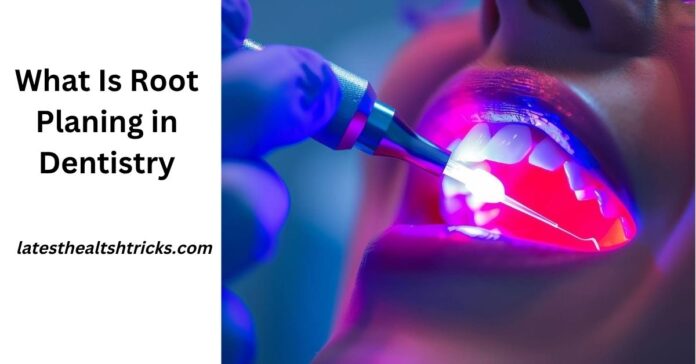
If you have ever felt nervous about visiting the dentist because of drills, needles, or pain, laser dentistry may change the way you think about dental care. Many people today are asking, “what is laser dentistry” because it offers a more comfortable and modern approach to treating dental problems.
Laser dentistry uses focused beams of light to perform dental treatments with high precision. Instead of using traditional dental tools for every procedure, dentists can use lasers to treat teeth and gums with less pain, less bleeding, and faster healing in many cases.
Since its introduction in the early 1990s, laser dentistry has continued to grow in popularity across the United States. Today, many dental clinics use advanced laser technology for cosmetic dentistry, gum disease treatment, cavity removal, teeth whitening, and even oral surgery.
This article explains everything you need to know about what is laser dentistry, how it works, its benefits, risks, costs, procedures, and whether it is the right option for you.
What Is Laser Dentistry?
Laser dentistry is a type of dental treatment that uses concentrated light energy instead of traditional dental tools for certain procedures. The word “laser” stands for Light Amplification by Stimulated Emission of Radiation.
In simple words, dental lasers produce a very focused beam of light that can remove or shape tissue with great accuracy.
Dentists use lasers to:
- Remove tooth decay
- Treat gum disease
- Whiten teeth
- Reshape gums
- Remove bacteria
- Perform oral surgeries
- Reduce tooth sensitivity
Laser dentistry can work on both hard tissues and soft tissues.
Hard tissues include:
- Teeth
- Tooth enamel
- Bone
Soft tissues include:
- Gums
- Tongue
- Lips
- Inside lining of the mouth
Because lasers are highly precise, dentists can often preserve more healthy tissue compared to traditional methods.
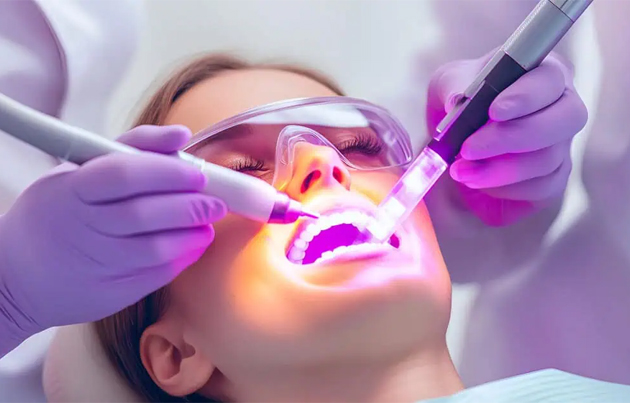
How Does Laser Dentistry Work?
To fully understand what is laser dentistry, it helps to know how dental lasers work.
Dental lasers create light energy at specific wavelengths. Different wavelengths are used for different treatments. The laser interacts with tissue by cutting, vaporizing, or reshaping it.
There are two main categories of dental lasers:
Hard Tissue Lasers
Hard tissue lasers are used on teeth and bones. These lasers help:
- Detect cavities
- Remove decay
- Prepare teeth for fillings
- Shape teeth
Hard tissue lasers are often used as an alternative to dental drills.
Soft Tissue Lasers
Soft tissue lasers are used on gums and other soft areas inside the mouth. These lasers help:
- Remove infected tissue
- Reshape gums
- Stop bleeding
- Speed healing
- Remove bacteria
Soft tissue lasers are very popular in cosmetic dentistry and gum treatments.
The History of Laser Dentistry
People searching for what is laser dentistry are often surprised to learn that laser technology has been used in dentistry for more than three decades.
The U.S. Food and Drug Administration approved the first dental laser for soft tissue treatment in 1990. Later, hard tissue lasers were approved for use on teeth.
Also Read: How Much Does Sedation Dentistry Cost? Complete 2026 Guide for Patients in the USA
Over the years, dental laser systems became safer, faster, and more precise. Today’s laser dentistry tools are far more advanced than early models.
Modern dental lasers now include:
- Diode lasers
- CO2 lasers
- Nd:YAG lasers
- Erbium lasers
Each type is designed for specific dental procedures.
Common Procedures in Laser Dentistry
One reason why people ask “what is laser dentistry” is because they want to know what procedures lasers can actually perform.
Here are the most common laser dental treatments available today.
Laser Cavity Treatment
Lasers can remove tooth decay without the noise and vibration of traditional drills.
Benefits include:
- Less discomfort
- Reduced need for anesthesia
- More precise treatment
- Better preservation of healthy tooth structure
This treatment is especially helpful for patients with dental anxiety.
Laser Gum Disease Treatment
Laser dentistry is widely used to treat periodontal disease.
The laser removes infected gum tissue and bacteria around the teeth. It also helps sterilize the area.
Benefits include:
- Less bleeding
- Faster healing
- Reduced swelling
- Lower infection risk
Many dentists now combine laser therapy with deep cleaning procedures.
Laser Teeth Whitening
Laser-assisted teeth whitening is one of the fastest cosmetic dental treatments.
The dentist applies whitening gel to the teeth and activates it with a laser.
This process can:
- Brighten teeth quickly
- Remove deep stains
- Improve smile appearance
Results are often visible after one visit.
Gum Reshaping and Contouring
Some people have uneven gums or a “gummy smile.” Laser dentistry can reshape the gum line for a more balanced smile.
The laser carefully removes excess gum tissue with minimal bleeding.
This cosmetic procedure is becoming increasingly popular in the United States.
Root Canal Disinfection
Lasers can help clean and disinfect root canals more effectively.
The laser kills bacteria deep inside the tooth, reducing the risk of future infection.
This may improve the success rate of root canal treatment.
Cold Sore and Ulcer Treatment
Laser dentistry can also help treat:
- Cold sores
- Mouth ulcers
- Canker sores
Laser treatment may:
- Reduce pain
- Speed healing
- Prevent outbreaks from worsening
Dental Implant Procedures
Lasers are often used during dental implant surgery to improve precision and reduce tissue damage.
This can help:
- Shorten healing time
- Reduce swelling
- Improve comfort
Benefits of Laser Dentistry
Understanding the benefits is an important part of learning what is laser dentistry.
Many patients choose laser treatments because they are less invasive and more comfortable.
Less Pain and Discomfort
One of the biggest benefits is reduced pain during and after treatment.
Many laser procedures require little or no anesthesia.
Patients often report:
- Less sensitivity
- Less irritation
- Better comfort
Reduced Bleeding
Lasers seal blood vessels during treatment.
This means:
- Less bleeding
- Cleaner procedures
- Faster recovery
This is especially useful during gum treatments and oral surgery.
Also Read: What Is the Difference Between DDS and DMD in Dentistry? Complete Guide for Patients in 2026
Faster Healing
Laser dentistry often causes less trauma to tissues.
As a result:
- Healing can be faster
- Swelling may be reduced
- Recovery is usually easier
Lower Risk of Infection
Lasers sterilize the treatment area by killing bacteria.
This reduces the chance of infection and improves overall oral health.
More Precision
Dental lasers target only the affected area.
This helps preserve:
- Healthy gums
- Healthy tooth structure
- Nearby tissues
Reduced Dental Anxiety
Many patients dislike the sound and vibration of dental drills.
Laser dentistry is quieter and less intimidating, making it ideal for:
- Children
- Nervous patients
- People with dental phobia
Is Laser Dentistry Safe?
A common question related to what is laser dentistry is whether it is safe.
Yes, laser dentistry is generally considered safe when performed by a trained and licensed dentist.
Dental professionals receive special training before using lasers.
Safety measures include:
- Protective eyewear
- Controlled laser settings
- Proper patient evaluation
The FDA regulates dental lasers used in the United States.
However, like any medical treatment, laser dentistry also has some risks and limitations.
Risks and Limitations of Laser Dentistry
Although laser dentistry has many benefits, it is not perfect for every situation.
Not Suitable for All Procedures
Some dental treatments still require traditional tools.
For example:
- Large fillings
- Certain crowns
- Deep cavities between teeth
Cost Can Be Higher
Laser procedures may cost more because laser equipment is expensive.
Some insurance plans may not fully cover laser treatments.
Special Training Required
Not all dentists are trained in laser dentistry.
It is important to choose a qualified dental professional with experience using lasers.
Potential Tissue Damage
Improper laser use can damage surrounding tissues.
This is why dentist experience matters.
Who Is a Good Candidate for Laser Dentistry?
Many people can benefit from laser dental care.
You may be a good candidate if you:
- Have dental anxiety
- Want less invasive treatment
- Need gum treatment
- Want cosmetic improvements
- Prefer faster healing
Laser dentistry is often suitable for:
- Adults
- Teenagers
- Children
However, your dentist will evaluate your oral health before recommending treatment.
What Happens During a Laser Dentistry Appointment?
People searching “what is laser dentistry” also want to know what to expect during treatment.
Here is a simple overview.
Step 1: Dental Examination
The dentist examines your teeth and gums to determine whether laser treatment is appropriate.
Digital X-rays may also be taken.
Step 2: Preparation
Protective glasses are provided to shield your eyes from the laser light.
Depending on the procedure, anesthesia may or may not be needed.
Step 3: Laser Treatment
The dentist uses the laser device to treat the affected area.
You may hear clicking sounds, but there is usually less noise than with traditional drills.
Step 4: Recovery
Recovery is often quick.
Most patients can return to normal activities the same day.
The dentist may provide:
- Oral care instructions
- Pain management tips
- Follow-up recommendations
Laser Dentistry vs Traditional Dentistry
Understanding the difference between laser and traditional dentistry helps answer the question, “what is laser dentistry.”
Traditional Dentistry
Traditional dentistry often uses:
- Drills
- Scalpels
- Sutures
- Mechanical tools
These methods are effective but may involve:
- More discomfort
- More bleeding
- Longer healing
Laser Dentistry
Laser dentistry uses focused light energy instead of many traditional tools.
Benefits may include:
- Less pain
- Faster healing
- Greater precision
- Less anxiety
However, traditional dentistry is still necessary for many procedures.
The best approach depends on the patient’s needs.
Does Laser Dentistry Hurt?
Most patients report little to no pain during laser procedures.
This is one reason why laser dentistry continues to grow in popularity.
Compared to traditional dental tools, lasers often cause:
- Less vibration
- Less pressure
- Less discomfort
Some patients do not even require numbing injections.
After treatment, recovery discomfort is usually mild.
How Much Does Laser Dentistry Cost?
Costs vary depending on:
- The procedure
- The dentist’s experience
- The location
- Insurance coverage
In the United States, laser dental procedures may cost slightly more than traditional treatments.
Estimated price ranges:
- Laser cavity treatment: $100–$400
- Laser gum treatment: $500–$3,000
- Laser whitening: $300–$1,500
Insurance coverage varies by provider and procedure.
Patients should ask their dental office for a detailed estimate.
Is Laser Dentistry Covered by Insurance?
Some insurance plans cover medically necessary laser procedures.
Coverage may apply to:
- Gum disease treatment
- Cavity treatment
- Root canal procedures
Cosmetic treatments such as teeth whitening are usually not covered.
Always check with your insurance provider before treatment.
Choosing the Right Laser Dentist
Finding the right dentist is important for successful treatment.
When choosing a laser dentist, look for:
- Professional training
- Certifications
- Experience
- Positive patient reviews
- Modern technology
Ask questions such as:
- How long have you used dental lasers?
- What procedures do you perform?
- What type of laser do you use?
A skilled laser dentist can improve treatment safety and results.
The Future of Laser Dentistry
Laser dentistry continues to evolve rapidly.
New advancements are making procedures:
- Faster
- Safer
- More effective
- More affordable
Future developments may include:
- AI-assisted laser technology
- Improved precision systems
- Better cavity detection
- Enhanced cosmetic procedures
As technology improves, laser dentistry may become even more common across the United States.
Expert Insights on Laser Dentistry
One important insight about what is laser dentistry is that it represents a major shift toward minimally invasive dental care.
Also Read: What Is the Dentistry? A Complete Guide to Oral Health, Dental Careers, and Modern Dental Care
Traditional dentistry focused heavily on mechanical treatment methods. Modern laser dentistry focuses more on:
- Precision
- Patient comfort
- Tissue preservation
- Faster recovery
Patients today want:
- Less pain
- Shorter appointments
- Better cosmetic outcomes
Laser dentistry helps meet these expectations.
However, laser dentistry should not be viewed as a complete replacement for traditional dentistry. Instead, it works best as an advanced tool that improves many dental treatments.
Dentists who combine traditional skills with modern laser technology often provide the best patient experience.
Why Laser Dentistry Is Becoming More Popular in the US
The demand for laser dentistry in the United States continues to rise because patients are becoming more informed about modern treatment options.
Several factors are driving this trend:
- Increased focus on comfort
- Growing cosmetic dentistry market
- Better technology
- Faster treatment times
- Increased dental anxiety awareness
Many younger patients also prefer modern technology-based healthcare solutions.
Dental clinics that offer laser dentistry often market themselves as advanced and patient-friendly.
Oral Health Tips After Laser Dentistry
After laser treatment, proper oral care is important.
Here are some helpful tips:
- Brush gently
- Follow dentist instructions
- Avoid smoking
- Drink plenty of water
- Avoid very hot foods temporarily
- Maintain regular dental checkups
Good oral hygiene supports faster healing and better long-term results.
Myths About Laser Dentistry
There are several myths about laser dentistry that can confuse patients.
Laser Dentistry Is Painful
Most laser procedures are actually less painful than traditional methods.
Lasers Replace All Dental Tools
Lasers are helpful for many treatments, but traditional tools are still necessary in some cases.
Laser Dentistry Is Unsafe
When performed by trained professionals, laser dentistry is considered safe.
It Is Only for Cosmetic Dentistry
Laser dentistry is used for both medical and cosmetic procedures.
Recovery Takes Longer
In many cases, recovery is actually faster.
Frequently Asked Questions About What Is Laser Dentistry
Can laser dentistry remove cavities without drilling?
Yes, some lasers can remove tooth decay without traditional dental drills. This can make treatment more comfortable for many patients.
Is laser dentistry good for children?
Yes, laser dentistry is often a great option for children because it reduces fear, noise, and discomfort.
How long does laser dental treatment take?
Treatment time depends on the procedure. Many laser treatments are faster than traditional methods.
Can laser dentistry treat gum disease?
Yes, lasers are commonly used to remove infected gum tissue and reduce bacteria.
Are dental lasers FDA approved?
Yes, many dental lasers used in the United States are approved by the FDA.
Does laser teeth whitening work better?
Laser whitening can produce faster and more dramatic results compared to some traditional whitening methods.
Is laser dentistry more expensive?
It can be slightly more expensive due to advanced equipment and training requirements.
Can laser dentistry help sensitive teeth?
Yes, some laser treatments can reduce tooth sensitivity by sealing nerve endings.
Do all dentists offer laser dentistry?
No, not all dentists use lasers. Special training and equipment are required.
Is there downtime after laser dentistry?
Most patients experience minimal downtime and recover quickly.
Final Thoughts on What Is Laser Dentistry
So, what is laser dentistry?
Laser dentistry is a modern dental treatment method that uses focused light energy to perform precise and less invasive dental procedures. It offers many advantages, including reduced pain, faster healing, less bleeding, and improved patient comfort.
From cavity treatment to gum reshaping and teeth whitening, laser technology is transforming the dental experience for millions of Americans.
While laser dentistry is not suitable for every procedure, it continues to improve and expand as technology advances. Patients who want a more comfortable dental experience may benefit greatly from this innovative approach.
If you are considering laser dentistry, speak with a qualified dental professional to determine whether it is the right choice for your oral health needs.
As modern dentistry continues to evolve, laser technology is expected to play an even larger role in providing safer, faster, and more patient-friendly dental care.