

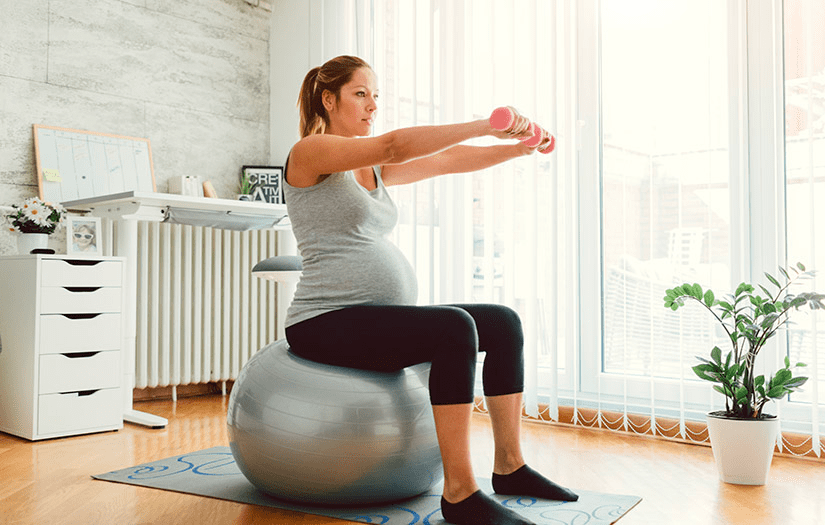
Pregnancy brings about one of the most dramatic hormonal shifts in a woman’s life. While these changes are essential for supporting fetal development and preparing the body for childbirth, they can also influence a woman’s hormonal balance long after pregnancy ends. Understanding how pregnancy affects hormones helps women better navigate postpartum recovery, emotional well-being, and long-term health.
The Hormonal Rollercoaster of Pregnancy
During pregnancy, several key hormones surge to sustain the baby’s growth and prepare the body for birth. Estrogen, progesterone, human chorionic gonadotropin (hCG), prolactin, and relaxin are among the most influential. These hormones control everything from mood and energy to skin, hair, and metabolism.
While they play a positive role in maintaining pregnancy, their rapid fluctuations after childbirth can cause both short- and long-term hormonal imbalances if not managed carefully.
Estrogen and Progesterone: The Dynamic Duo
Estrogen and progesterone levels rise significantly during pregnancy — up to 100 times higher than normal. These hormones support the uterus, placenta, and overall fetal growth.
After delivery, their levels drop sharply, often leading to mood changes and fatigue. This sudden decline can also affect menstrual cycles, libido, and overall hormonal equilibrium in the months following childbirth. Some women experience irregular periods for several months as their bodies readjust to pre-pregnancy hormone levels.
Prolactin: The Breastfeeding Hormone
Prolactin is responsible for milk production after childbirth. It remains elevated as long as a woman breastfeeds, helping suppress ovulation and maintain milk supply.
However, high prolactin levels can temporarily disrupt estrogen and progesterone balance, leading to delayed menstruation, vaginal dryness, and lower bone density in some cases. Once breastfeeding tapers off, prolactin levels gradually decline, and normal hormonal function resumes.
Oxytocin: The Bonding and Stress-Relief Hormone
Oxytocin, often called the “love hormone,” plays a crucial role in labor, delivery, and bonding with the baby. It triggers uterine contractions during childbirth and helps the uterus shrink back to its normal size postpartum.
Oxytocin also reduces stress levels and promotes emotional bonding between mother and child. Consistent physical contact, breastfeeding, and affectionate moments with the baby help sustain healthy oxytocin levels, supporting both mental and hormonal well-being.
Thyroid Hormones and Postpartum Thyroiditis
Pregnancy can temporarily alter thyroid function. Some women experience postpartum thyroiditis — inflammation of the thyroid gland — which can cause symptoms of hyperthyroidism (excess hormone production) followed by hypothyroidism (low hormone levels).
Signs include fatigue, mood swings, hair loss, and weight changes. Although thyroid function often returns to normal within a year, regular monitoring is important, as thyroid imbalances can affect long-term energy, metabolism, and fertility.
Cortisol and the Stress Connection
Cortisol, the body’s main stress hormone, increases naturally during pregnancy to help manage the physical demands of carrying a baby. After childbirth, sleep deprivation and stress can keep cortisol levels high, leading to anxiety, irritability, and difficulty losing weight.
Chronic stress can also interfere with other hormones like insulin, thyroid, and reproductive hormones, creating a long-term imbalance if not managed through rest, nutrition, and self-care.
Insulin Sensitivity After Pregnancy
Pregnancy hormones can temporarily reduce insulin sensitivity, increasing blood sugar levels — a condition known as gestational diabetes in some women. Even after delivery, insulin resistance may persist, especially if weight gain remains or lifestyle habits are not adjusted.
To restore balance, a diet rich in whole foods, regular exercise, and adequate hydration are essential for supporting metabolic health and stabilizing insulin levels.
The Role of Sleep and Nutrition in Hormonal Recovery
Postpartum sleep deprivation can significantly affect hormonal recovery. Lack of sleep elevates cortisol, suppresses melatonin, and disrupts hunger-regulating hormones like leptin and ghrelin.
A nutrient-rich diet — including foods high in omega-3 fatty acids, leafy greens, whole grains, and lean proteins — helps rebuild hormonal strength. Iron, magnesium, and vitamin B6 are particularly beneficial for restoring energy and mood stability.
Emotional and Mental Health After Pregnancy
The emotional effects of hormonal changes are just as significant as the physical ones. Many women experience mood swings, anxiety, or even postpartum depression due to the sharp drop in estrogen and progesterone levels.
Practicing mindfulness, staying connected with loved ones, and seeking counseling if needed are key to maintaining emotional balance. Support groups and therapy can make a big difference in long-term well-being.
Returning to Hormonal Balance Naturally
Every woman’s postpartum recovery is unique. For most, hormone levels begin to stabilize within three to six months after childbirth, though full recovery can take up to a year.
Regular exercise, hydration, balanced nutrition, and sufficient rest are the foundations of natural hormone restoration. Avoiding excessive caffeine, alcohol, and processed foods also supports the endocrine system’s healing process.
When to Consult a Doctor
If you experience prolonged fatigue, depression, hair loss, irregular periods, or unexplained weight changes months after childbirth, consult a healthcare provider. Persistent symptoms may signal thyroid imbalance, adrenal fatigue, or other hormonal issues that need professional evaluation and treatment.
Conclusion
Pregnancy reshapes a woman’s hormonal landscape, not just for nine months but often for years afterward. While the body is remarkably resilient and capable of regaining balance naturally, lifestyle choices, nutrition, and emotional support play a vital role in long-term recovery.
By nurturing both physical and mental health, women can restore hormonal harmony, regain energy, and embrace the beautiful new chapter of motherhood with strength and confidence.