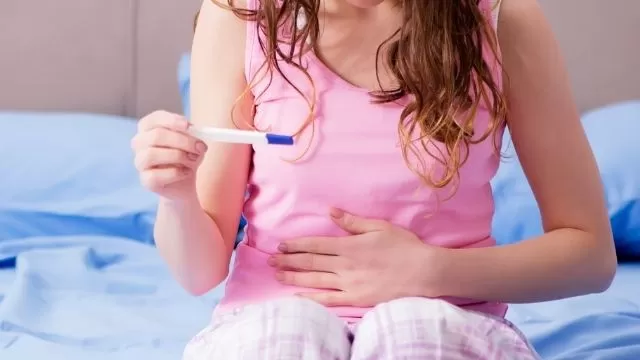
Infertility affects millions of women worldwide and can be a deeply emotional experience. Understanding its underlying causes is crucial for both prevention and treatment. Female infertility occurs when a woman has difficulty conceiving despite having regular, unprotected intercourse for at least a year. The causes of infertility can be complex and vary from hormonal issues to lifestyle factors and underlying medical conditions. By identifying these causes early, women can take proactive steps toward better reproductive health.
Hormonal Imbalances
One of the most common causes of infertility in women is hormonal imbalance. The female reproductive system depends on a delicate balance of hormones such as estrogen, progesterone, luteinizing hormone (LH), and follicle-stimulating hormone (FSH). When these hormones fluctuate abnormally, ovulation may not occur regularly, making conception difficult.
Conditions like polycystic ovary syndrome (PCOS) are a prime example, where hormonal irregularities lead to missed or irregular periods and poor egg quality. Thyroid disorders, both hyperthyroidism and hypothyroidism, can also disrupt menstrual cycles and fertility.
Ovulation Disorders
Ovulation disorders account for nearly one-third of all infertility cases in women. If ovulation doesn’t happen, there’s no egg available for fertilization. This can be caused by excessive stress, extreme weight loss or gain, or excessive exercise.
In some women, the brain fails to send the proper signals to release eggs due to hormonal dysfunctions or pituitary gland issues. Identifying the root cause of ovulation problems is essential for successful treatment.
Fallopian Tube Blockages
Healthy fallopian tubes are vital for fertilization because they allow sperm to meet the egg. However, when tubes are blocked or damaged, it prevents this process.
The most common causes of fallopian tube blockage include pelvic inflammatory disease (PID), sexually transmitted infections (STIs) such as chlamydia or gonorrhea, or complications from previous surgeries. In some cases, scar tissue forms after an ectopic pregnancy, further hindering fertility.
Endometriosis
Endometriosis is a painful condition in which tissue similar to the uterine lining grows outside the uterus, often affecting the ovaries, fallopian tubes, and pelvic cavity.
This condition can cause inflammation, scarring, and adhesions that interfere with egg release and fertilization. Many women with endometriosis experience painful periods, pelvic pain, and sometimes no obvious symptoms at all, making diagnosis challenging.
Uterine or Cervical Abnormalities
Structural issues in the uterus or cervix can also lead to infertility. Fibroids, polyps, and uterine septum are among the most common structural problems that can interfere with implantation or increase the risk of miscarriage.
Additionally, cervical mucus problems or narrowed cervical openings can prevent sperm from reaching the egg. In such cases, medical or surgical treatments can often restore fertility.
Age-Related Fertility Decline
A woman’s fertility naturally declines with age, especially after 35. As women age, both the quantity and quality of eggs decrease, making conception more difficult and increasing the risk of chromosomal abnormalities.
Although assisted reproductive technologies like IVF (in vitro fertilization) can help, maintaining a healthy lifestyle and seeking early fertility evaluation can improve the chances of conception.
Lifestyle Factors
Certain lifestyle habits can also impact fertility. Smoking, excessive alcohol consumption, and drug use negatively affect ovulation and egg health. Poor diet, high caffeine intake, and obesity can disrupt hormonal balance and menstrual regularity.
Managing stress through meditation, exercise, and adequate rest is equally important since chronic stress can alter reproductive hormones and delay ovulation.
Autoimmune Disorders and Chronic Illnesses
Autoimmune conditions, such as lupus or rheumatoid arthritis, can cause the body to attack its own reproductive tissues. Chronic illnesses like diabetes and celiac disease may also affect fertility if not properly managed.
In these cases, treating the underlying condition and maintaining a healthy immune system can significantly improve reproductive outcomes.
Unexplained Infertility
Sometimes, despite thorough testing, no specific cause of infertility can be identified — this is known as unexplained infertility. Even when all reproductive organs appear healthy, subtle factors like minor hormonal fluctuations or egg-sperm compatibility issues might be involved.
Advanced fertility testing and treatments can help overcome such cases, offering many women hope for successful conception.
Conclusion
Infertility in women can stem from a combination of medical, hormonal, and lifestyle factors. Early diagnosis, a balanced lifestyle, and proper medical support are key to overcoming these challenges. Women experiencing difficulty conceiving should consult a fertility specialist for personalized guidance and treatment options.
While infertility can be emotionally challenging, modern medicine and awareness empower women with more options than ever before to achieve their dream of motherhood.