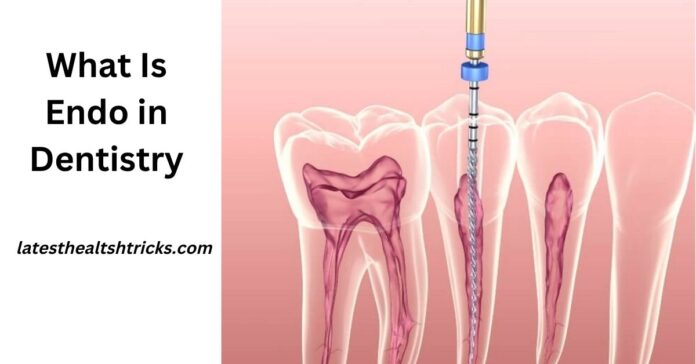
If you have ever been told that you need a root canal, you may have heard the word “endo” and wondered what it means. Many people ask, what is endo in dentistry, especially after experiencing severe tooth pain or being referred to a dental specialist.
Simply put, endo is short for endodontics, a specialized branch of dentistry that focuses on treating the inside of the tooth. While most people associate endodontics with root canal treatment, the field includes many procedures designed to save natural teeth that would otherwise need to be removed.
Modern endodontic treatment is far different from what many people imagine. Thanks to advanced technology, improved techniques, and better pain management, today’s procedures are safer, faster, and more comfortable than ever before. In many cases, patients compare the experience to receiving a routine dental filling.
Understanding what is endo in dentistry helps patients make informed decisions about their oral health. Instead of fearing treatment, knowing how endodontics works can give you confidence that preserving your natural tooth is often the healthiest option.
This comprehensive guide explains everything you need to know about endodontics, including procedures, benefits, signs you may need treatment, modern technologies, recovery, and much more.
What Is Endo in Dentistry?
The simplest answer to what is endo in dentistry is that it refers to the dental specialty known as endodontics.
The word “endodontics” comes from two Greek words:
- “Endo” means inside.
- “Odont” means tooth.
Together, the term means treating the inside of the tooth.
Inside every tooth is a soft tissue called dental pulp. This pulp contains:
- Blood vessels
- Nerves
- Connective tissue
- Specialized cells that helped the tooth develop
When this inner tissue becomes infected, inflamed, or damaged, an endodontic procedure may be necessary to remove the infection and preserve the tooth.
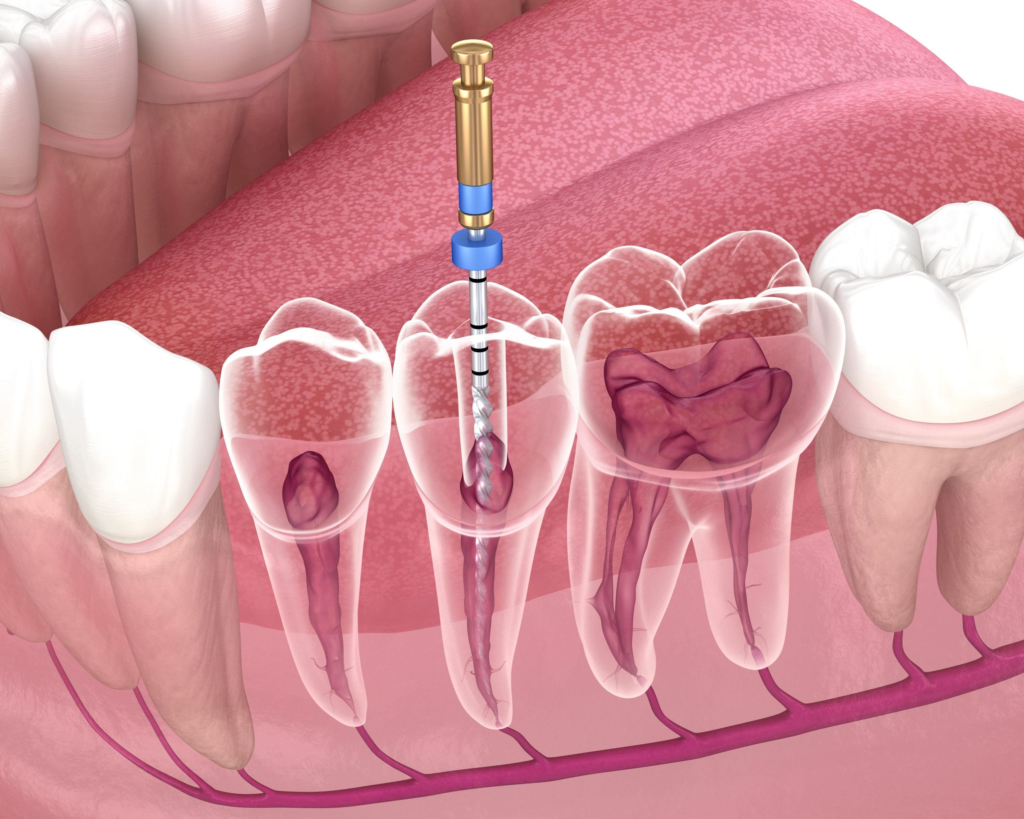
Rather than extracting a damaged tooth, endodontic treatment focuses on cleaning, disinfecting, and sealing the inside of the tooth so it can continue functioning normally for many years.
Understanding Endodontics
Endodontics is one of the recognized specialties within dentistry.
While general dentists care for overall oral health, endodontists receive several additional years of advanced education focused entirely on diseases and injuries affecting the dental pulp and root tissues.
Their training includes treating:
- Deep tooth infections
- Complex root canal systems
- Cracked teeth
- Dental trauma
- Root injuries
- Failed previous root canals
- Persistent tooth pain
An endodontist performs procedures using specialized equipment designed to improve precision and treatment outcomes.
Although general dentists perform many root canals, complicated cases are often referred to an endodontic specialist.
What Does the Dental Pulp Do?
To understand what is endo in dentistry, it helps to understand the role of dental pulp.
The pulp sits in the center of every tooth.
Its functions include:
- Forming the tooth during development
- Supplying nutrients while the tooth grows
- Providing sensation
- Detecting hot and cold temperatures
After a tooth has fully matured, it no longer depends on the pulp for survival. The tooth continues receiving nourishment from surrounding tissues.
This is why removing infected pulp during a root canal does not “kill” the tooth. Instead, it eliminates infection while allowing the tooth to remain healthy and functional.
Why Is Endodontic Treatment Needed?
The pulp inside a tooth can become inflamed or infected for several reasons.
Without treatment, bacteria continue spreading deeper into the tooth and surrounding bone.
Also Read: What Is a Pontic in Dentistry? A Complete Guide to Types, Benefits, Materials, and Care
Eventually, this can lead to:
- Severe pain
- Abscess formation
- Bone loss
- Swelling
- Tooth loss
- Spread of infection
Endodontic treatment removes the source of infection before these complications become more serious.
Saving the natural tooth is usually preferable because it helps maintain:
- Proper chewing
- Normal speech
- Jawbone strength
- Natural appearance
- Tooth alignment
Common Causes of Pulp Damage
Several dental problems can damage the pulp inside a tooth.
Deep Tooth Decay
Untreated cavities gradually move deeper into the tooth.
Once bacteria reach the pulp, infection develops.
This is the most common reason patients need root canal treatment.
Cracked Teeth
Small cracks may allow bacteria to enter the pulp.
Even tiny fractures that are difficult to see can eventually cause infection.
Dental Trauma
Sports injuries, falls, accidents, or hard impacts may damage the pulp even if no visible crack exists.
Sometimes symptoms appear months after the injury.
Repeated Dental Procedures
Multiple fillings or restorations on the same tooth may gradually irritate the pulp.
Repeated drilling can weaken the tooth over time.
Large Fillings
Very large fillings leave only a thin layer of healthy tooth structure.
The pulp becomes more vulnerable to irritation and infection.
Severe Gum Disease
Advanced gum disease may expose parts of the tooth root, increasing the risk of bacterial invasion.
Worn Teeth
Grinding teeth every night can slowly damage the tooth and create stress inside the pulp.
Signs You May Need Endodontic Treatment
Recognizing symptoms early often allows treatment before complications become worse.
Common warning signs include:
Persistent Tooth Pain
Pain that does not go away is one of the biggest warning signs.
The pain may be:
- Constant
- Sharp
- Throbbing
- Deep
- Worse at night
- Worse when chewing
Sensitivity to Hot or Cold
Pain that continues for several seconds or minutes after drinking something hot or cold may indicate pulp damage.
Brief sensitivity is normal.
Lingering pain is not.
Pain When Biting
Pressure while chewing may indicate inflammation around the tooth root.
Swollen Gums
Swelling near one tooth may indicate infection beneath the gums.
Pimple on the Gum
A small bump that drains fluid can be a sign of a dental abscess.
Even if it is not painful, treatment is still necessary.
Tooth Discoloration
A tooth becoming gray or dark may indicate nerve damage inside the tooth.
Loose Tooth
Advanced infection may weaken surrounding bone and make the tooth feel loose.
When Symptoms May Not Appear
One surprising fact about endodontic disease is that some patients experience no pain at all.
A dentist may discover infection during:
- Routine X-rays
- Regular dental exams
- Crown preparation
- Cosmetic treatment planning
This is why regular dental checkups remain important even when teeth feel normal.
How Dentists Diagnose Endodontic Problems
Before recommending treatment, the dentist carefully evaluates the tooth.
Diagnosis may include:
Medical History
Your dentist asks about:
- Pain location
- Duration
- Triggers
- Previous dental work
- Injuries
Visual Examination
The tooth is checked for:
- Cavities
- Cracks
- Fractures
- Swelling
- Gum changes
X-Rays
Digital X-rays reveal:
- Bone infection
- Root shape
- Hidden decay
- Abscesses
- Previous dental work
Pulp Vitality Testing
Special tests determine whether the nerve inside the tooth is healthy.
These tests may involve:
- Cold stimulus
- Heat
- Electric pulp testing
Bite Tests
The dentist checks whether pressure causes pain.
This helps identify cracked teeth.
Types of Endodontic Procedures
Many people think endodontics only involves root canals.
In reality, several procedures fall under this specialty.
Root Canal Treatment
This is the most common endodontic procedure.
The infected pulp is removed.
The canals are cleaned, shaped, disinfected, and sealed.
Endodontic Retreatment
Occasionally, a previous root canal may fail.
The canals are reopened, cleaned again, and resealed.
Apicoectomy
If infection remains after a root canal, the endodontist may remove the tip of the root.
This minor surgical procedure helps preserve the tooth.
Treatment for Dental Trauma
Teeth damaged by sports injuries or accidents often require specialized endodontic care.
Treatment depends on:
- Age
- Tooth development
- Severity of injury
Regenerative Endodontics
This newer area of endodontics focuses on encouraging continued root development in young permanent teeth.
It offers hope for preserving immature teeth that once had limited treatment options.
Root Canal Treatment Step by Step
Understanding the procedure helps reduce anxiety.
Step 1: Examination
The dentist confirms that treatment is necessary.
Digital imaging is reviewed carefully.
Step 2: Local Anesthesia
The tooth is completely numbed.
Modern anesthetics make the procedure comfortable for most patients.
Step 3: Isolation
A rubber dam is placed around the tooth.
This keeps the area clean and dry while preventing bacteria from entering.
Step 4: Opening the Tooth
A small opening is created through the top of the tooth.
This provides access to the infected pulp.
Step 5: Removing the Infected Tissue
Tiny instruments carefully remove:
- Diseased pulp
- Bacteria
- Dead tissue
- Debris
Step 6: Cleaning the Root Canals
The canals are shaped and disinfected using special solutions.
Every effort is made to eliminate harmful bacteria.
Step 7: Filling the Canals
After cleaning, the canals are filled with a rubber-like material called gutta-percha.
This seals the canals against future infection.
Step 8: Temporary or Permanent Filling
The opening is closed with either:
- Temporary filling
- Permanent restoration
Many patients later receive a crown for additional strength.
Modern Technology Has Changed Endodontics
Today’s endodontic treatment is far more advanced than it was even a decade ago.
Modern technology improves both comfort and success rates.
Examples include:
Digital X-Rays
Digital imaging provides clearer pictures while reducing radiation exposure.
Cone Beam CT Scans
Three-dimensional imaging helps identify:
- Hidden canals
- Root fractures
- Bone infections
- Complex anatomy
Dental Operating Microscopes
Powerful microscopes allow dentists to see tiny details inside the tooth.
This improves treatment accuracy.
Electronic Apex Locators
These devices help determine the exact length of root canals, improving precision during treatment.
Nickel-Titanium Instruments
Flexible instruments clean curved canals more safely than older stainless-steel files.
Advanced Irrigation Systems
Modern disinfecting systems help remove bacteria from areas that traditional instruments cannot easily reach.
Benefits of Endodontic Treatment
Understanding what is endo in dentistry also means understanding why saving a natural tooth is usually the preferred option.
Major benefits include:
- Preserves your natural smile
- Maintains normal chewing ability
- Prevents neighboring teeth from shifting
- Helps preserve jawbone health
- Eliminates infection
- Relieves pain
- Supports long-term oral function
- Often costs less than replacing an extracted tooth with an implant or bridge
- Can last for decades with proper care
Instead of removing a tooth, endodontic treatment gives it a second chance to function normally for many years.
Endodontist vs. General Dentist: What Is the Difference?
Many patients wonder whether they should see their regular dentist or an endodontist.
A general dentist provides a wide range of dental services, including exams, cleanings, fillings, crowns, and many routine root canal treatments.
An endodontist is a dentist who completes additional years of specialized training focused exclusively on diagnosing tooth pain and treating problems inside the tooth. They handle more complex cases, such as curved root canals, retreatments, traumatic dental injuries, and persistent infections.
Your general dentist may perform a straightforward root canal or refer you to an endodontist if your case requires advanced expertise or specialized equipment.
For most patients, both professionals work together to achieve the best outcome. The endodontist treats the inside of the tooth, and your general dentist completes the final restoration, such as placing a permanent crown.
Recovery After Endodontic Treatment
One of the biggest concerns patients have after learning what is endo in dentistry is how long recovery takes. The good news is that most people recover quickly after a root canal or other endodontic procedure.
It is normal to experience mild discomfort for a few days after treatment. This discomfort usually comes from inflammation in the tissues surrounding the tooth rather than from the tooth itself.
Most patients return to:
- Work the next day
- School within 24 hours
- Normal daily activities immediately
- Light exercise after one day
Your dentist or endodontist will provide personalized instructions based on your treatment.
What to Expect After a Root Canal
Recovery is different for everyone, but many people experience:
- Mild soreness
- Tenderness when biting
- Slight swelling around the treated area
- Temporary sensitivity
- Minor jaw stiffness from keeping the mouth open
These symptoms usually improve within a few days.
If pain becomes severe, swelling increases, or you develop a fever, contact your dentist immediately because these may be signs of a complication.
How to Manage Pain After Endodontic Treatment
Modern endodontic procedures are designed to minimize discomfort.
Your dentist may recommend:
- Over-the-counter pain relievers
- Prescription medication if necessary
- Cold compresses for swelling
- Soft foods during the first day
- Avoiding chewing on the treated tooth
Taking medication exactly as directed helps improve comfort during recovery.
Aftercare Tips for the Best Results
Proper care after treatment helps protect the tooth while it heals.
Follow these recommendations:
Avoid Hard Foods
Do not chew:
- Ice
- Hard candy
- Nuts
- Popcorn kernels
- Hard bread crusts
Until your permanent restoration is completed.
Brush Normally
Continue brushing twice daily.
Be gentle around the treated tooth during the first few days.
Floss Carefully
Floss every day to keep the surrounding gums healthy.
Healthy gums support long-term success.
Attend Follow-Up Visits
Never skip your scheduled appointment.
Many teeth require a permanent crown after root canal treatment.
The crown protects the tooth from future fractures.
Foods to Eat After Endodontic Treatment
Soft foods are usually the best choice during the first day or two.
Good options include:
- Yogurt
- Applesauce
- Mashed potatoes
- Oatmeal
- Soup
- Scrambled eggs
- Rice
- Pasta
- Smoothies
- Cottage cheese
- Soft fish
- Bananas
Drink plenty of water throughout the day.
Foods to Avoid
Until your dentist approves normal chewing, avoid:
- Sticky candy
- Caramel
- Chewing gum
- Hard chips
- Ice cubes
- Raw carrots
- Tough steak
- Hard cookies
- Popcorn
- Extremely hot foods if sensitivity remains
How Long Does a Root Canal Last?
One of the most common questions related to what is endo in dentistry is how long treatment lasts.
The answer depends on several factors.
A properly treated tooth can often last:
- 10 years
- 20 years
- 30 years
- Even a lifetime
Long-term success depends on:
- Good oral hygiene
- Regular dental visits
- Proper crown placement when needed
- Avoiding smoking
- Treating teeth grinding
- Prompt care for new cavities
The healthier your mouth remains, the longer your treated tooth is likely to last.
Success Rate of Endodontic Treatment
Modern endodontic treatment has a very high success rate.
Research consistently shows that most root canal treatments are successful, especially when:
- Infection is treated early
- The canals are thoroughly cleaned
- A permanent restoration is placed promptly
- Patients maintain excellent oral hygiene
Many treated teeth continue functioning normally for decades.
Can a Root Canal Fail?
Although uncommon, failure is possible.
Reasons include:
- Hidden canals
- New decay
- Tooth fracture
- Delayed crown placement
- Incomplete cleaning during the original procedure
- New bacterial infection
Fortunately, many failed root canals can be successfully retreated by an endodontist.
What Happens If You Delay Treatment?
Ignoring an infected tooth can lead to more serious problems.
Possible complications include:
- Severe pain
- Dental abscess
- Swollen face
- Bone loss around the tooth
- Spread of infection
- Tooth extraction
- More expensive treatment
Treating infection early is almost always simpler and less costly.
Root Canal vs Tooth Extraction
Patients sometimes wonder whether removing the tooth is a better option.
In most situations, saving the natural tooth offers important advantages.
Root Canal Benefits
- Preserves your natural bite
- Prevents nearby teeth from shifting
- Maintains jawbone health
- Keeps your natural smile
- Usually requires less long-term treatment
Tooth Extraction Considerations
Removing a tooth may seem easier at first, but replacement options such as dental implants, bridges, or partial dentures often require additional procedures, more time, and higher overall costs.
Whenever possible, preserving your natural tooth is generally the preferred approach.
How Much Does Endodontic Treatment Cost in the United States?
Costs vary depending on:
- Tooth location
- Procedure complexity
- Geographic region
- Dentist’s experience
- Insurance coverage
Front teeth usually cost less to treat because they have fewer root canals.
Molars generally cost more because they contain multiple canals and require additional treatment time.
Although root canal treatment involves an upfront expense, it is often less expensive over time than extracting and replacing a tooth.
Does Dental Insurance Cover Endodontic Treatment?
Many dental insurance plans provide partial coverage for:
- Root canal therapy
- Diagnostic X-rays
- Follow-up visits
- Crowns (depending on the plan)
Coverage varies widely, so it is best to check with your insurance provider before treatment.
Even without insurance, many dental offices offer payment plans to help make treatment more affordable.
Can Children Need Endodontic Treatment?
Yes.
Although adults receive most root canals, children sometimes require endodontic care due to:
- Deep cavities
- Sports injuries
- Falls
- Cracked teeth
- Developmental problems
Dentists use special techniques that consider the child’s age and stage of tooth development.
Preserving young permanent teeth is especially important because they support healthy jaw growth and proper alignment.
Can Older Adults Benefit from Endodontic Treatment?
Absolutely.
Age alone does not prevent successful treatment.
Many older adults keep their natural teeth much longer than previous generations.
Endodontic treatment can help preserve these teeth, improving chewing ability, nutrition, speech, and overall quality of life.
Common Myths About Endodontics
Myth 1: Root canals are extremely painful.
Fact: Modern anesthesia and advanced techniques make most root canal procedures no more uncomfortable than getting a filling.
Myth 2: Tooth extraction is always better.
Fact: Saving your natural tooth is usually the healthiest option when possible.
Myth 3: Root canals cause illness.
Fact: This outdated belief has been disproven by modern scientific research. Root canal treatment is considered a safe and effective procedure.
Myth 4: If the pain goes away, treatment is no longer needed.
Fact: Pain may disappear after the nerve dies, but the infection can continue to spread silently.
Myth 5: Root canals always fail.
Fact: Most root canals are highly successful and can last for many years with proper care.
How to Prevent the Need for Endodontic Treatment
While not every case is preventable, healthy habits greatly reduce your risk.
Practice Excellent Oral Hygiene
Brush your teeth twice a day using fluoride toothpaste.
Floss daily to remove plaque between teeth.
Visit Your Dentist Regularly
Routine examinations help detect cavities before they reach the pulp.
Professional cleanings also reduce your risk of gum disease.
Wear a Mouthguard
If you play sports, wear a properly fitted mouthguard to reduce the risk of dental injuries.
Avoid Using Teeth as Tools
Never use your teeth to:
- Open bottles
- Tear packages
- Crack nuts
- Bite fingernails
These habits can cause cracks that eventually require endodontic treatment.
Treat Teeth Grinding
Nighttime grinding places tremendous pressure on teeth.
If you grind your teeth, ask your dentist about a custom night guard.
Eat a Tooth-Friendly Diet
Limit sugary foods and drinks.
Choose foods rich in:
- Calcium
- Phosphorus
- Vitamin D
- Protein
- Fiber
A balanced diet supports both teeth and gums.
Expert Insights on Endodontics
Understanding what is endo in dentistry goes beyond knowing what happens during a root canal. Endodontics reflects a modern philosophy of preserving natural teeth whenever possible.
Advances in imaging, precision instruments, and infection control have transformed treatment outcomes. Today’s focus is not only on relieving pain but also on maintaining long-term oral function and overall health.
Preserving a natural tooth often provides better chewing efficiency, maintains jawbone structure, and avoids the need for more extensive restorative procedures.
For these reasons, early diagnosis and timely treatment remain essential.
Frequently Asked Questions
Is endodontics the same as a root canal?
Not exactly. Endodontics is the dental specialty that treats the inside of the tooth. A root canal is the most common endodontic procedure, but the specialty also includes retreatments, endodontic surgery, and care for dental injuries.
Do all infected teeth need to be removed?
No. Many infected teeth can be successfully treated and saved with endodontic care.
Can I drive home after a root canal?
Yes. Most patients can safely drive themselves home unless they have received sedation that affects alertness.
Will my tooth look different after treatment?
Usually not. Once the tooth is restored with a filling or crown, it should look very similar to your natural teeth.
Can I brush my teeth after a root canal?
Yes. Continue brushing and flossing, but be gentle around the treated area during the first few days.
How soon should I get a crown after a root canal?
Your dentist will recommend the best timing, but it is generally important to place a crown promptly if one is advised. Delaying it may increase the risk of the tooth cracking.
Can a root canal be completed in one visit?
Many routine cases can be completed in a single appointment, while more complex cases may require two or more visits.
Will the treated tooth still feel hot and cold?
After the pulp is removed, the tooth no longer contains the nerve tissue responsible for temperature sensation. However, surrounding tissues may still respond to pressure or inflammation.
Can I whiten a tooth after a root canal?
Yes, but traditional whitening may not change the color of a root canal-treated tooth. Your dentist may recommend internal bleaching, a veneer, or a crown if discoloration occurs.
Is endodontic treatment safe during pregnancy?
If treatment is necessary to control infection or relieve significant pain, it can often be performed safely during pregnancy with appropriate precautions. Your dentist and physician will determine the best timing for your situation.
Conclusion
Understanding what is endo in dentistry empowers you to make informed decisions about your oral health. Endodontics is the branch of dentistry dedicated to diagnosing and treating problems inside the tooth, with the primary goal of preserving natural teeth whenever possible.
Modern endodontic care has evolved dramatically, offering patients highly effective, comfortable, and predictable treatment options. Whether you need a routine root canal, retreatment, or specialized care for a dental injury, timely intervention can relieve pain, eliminate infection, and help your tooth function normally for many years.
The key to avoiding serious complications is early action. Regular dental checkups, good oral hygiene, and prompt attention to tooth pain or sensitivity allow problems to be treated before they become more severe.
By understanding the purpose and benefits of endodontics, you can approach treatment with confidence, knowing that saving your natural tooth is often the best investment in your long-term oral health.