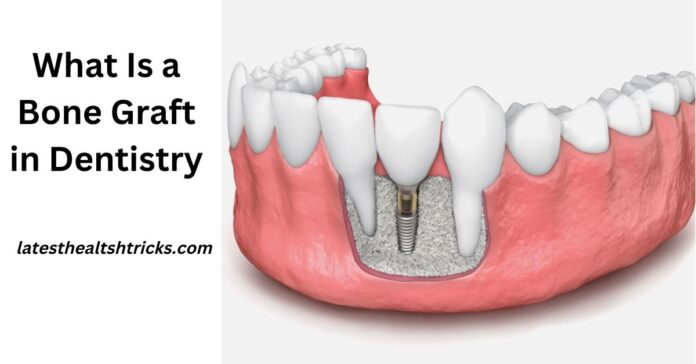
If you have been told that you need a dental implant or have experienced bone loss in your jaw, you may have heard your dentist mention a bone graft. Many patients immediately ask, “what is a bone graft in dentistry?” Understanding this procedure can help reduce anxiety and make it easier to make informed decisions about your oral health.
A bone graft is one of the most important procedures in modern dentistry. It helps rebuild lost bone in the jaw, creating a strong foundation for dental implants and improving overall oral health. Thanks to advances in dental technology and materials, bone grafting has become safer, more predictable, and more successful than ever before.
This comprehensive guide explains what is a bone graft in dentistry, why it is needed, the different types of bone grafts, benefits, risks, recovery expectations, costs, and the latest advancements in dental bone regeneration. Whether you are considering dental implants or simply want to understand the procedure better, this article provides everything you need to know in simple and easy-to-understand language.
What Is a Bone Graft in Dentistry?
The most straightforward answer to the question what is a bone graft in dentistry is that it is a surgical procedure used to rebuild or replace bone that has been lost in the jaw.
During the procedure, a dentist or oral surgeon places bone material into an area where the jawbone is weak, damaged, or too thin. Over time, the graft material stimulates the body’s natural healing process, encouraging new bone growth.
As the healing progresses, the graft integrates with the existing jawbone. This creates a stronger and more stable structure that can support dental implants, maintain facial appearance, and improve oral function.
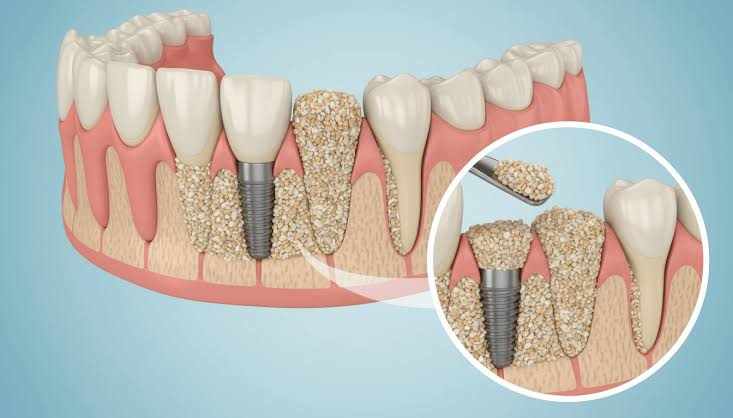
In simple terms, a dental bone graft acts like a scaffold that helps your body grow new bone where it is needed.
What Exactly Is a Bone Graft in Dentistry?
Many people wonder, what exactly is a bone graft in dentistry and how does it work?
A bone graft is not always a piece of bone taken from another part of the body. Modern dentistry uses various materials that can safely stimulate bone growth. These materials serve as a framework where the body’s natural bone-forming cells can develop and create new bone tissue.
Once the graft is placed, the body begins a healing process called bone remodeling. During this process:
- New blood vessels develop around the graft.
- Bone-producing cells move into the area.
- New bone tissue forms gradually.
- The graft becomes integrated with the existing jawbone.
The result is a stronger jawbone capable of supporting teeth and dental restorations.
Why Would Someone Need a Dental Bone Graft?
Bone grafting is recommended when there is not enough healthy jawbone to support normal dental function or future treatment.
Several situations may lead to bone loss.
Tooth Loss
When a tooth is missing, the jawbone beneath it no longer receives stimulation from chewing. As a result, the bone begins to shrink.
Research shows that significant bone loss can occur within the first year after tooth extraction.
Periodontal Disease
Advanced gum disease can destroy the bone that supports teeth. As the disease progresses, teeth may become loose and eventually fall out.
Bone grafting can help restore some of the lost bone and support future treatment.
Dental Implant Preparation
Dental implants require sufficient bone density for successful placement. If the jawbone is too thin or weak, a bone graft may be necessary before implant surgery.
Facial Trauma
Accidents, sports injuries, or other forms of trauma can damage the jawbone. Bone grafts help restore the structure and function of the affected area.
Congenital Conditions
Some individuals are born with jawbone abnormalities that require bone augmentation procedures.
Sinus Expansion Procedures
In the upper jaw, bone loss near the sinuses can limit implant placement. Bone grafting is often combined with sinus lift procedures to create adequate support.
Understanding Jawbone Loss
To fully understand what is a bone graft in dentistry, it is important to understand how jawbone loss occurs.
Unlike other bones in the body, the jawbone depends heavily on stimulation from teeth. Every time you bite or chew, pressure is transmitted through the tooth roots into the jawbone.
When a tooth is lost:
- The stimulation stops.
- Bone cells begin to break down.
- The jawbone gradually shrinks.
- Facial structure may change.
- Additional tooth loss may become more likely.
Over time, severe bone loss can affect appearance, speech, chewing ability, and self-confidence.
Types of Bone Grafts Used in Dentistry
Several types of graft materials are available. Your dentist will recommend the most appropriate option based on your needs.
Autograft
An autograft uses bone taken from your own body.
Common donor sites include:
- Chin
- Jaw
- Hip
Advantages include:
- Excellent compatibility
- High success rates
- Natural bone-forming properties
Disadvantages include:
- Additional surgery
- Longer procedure time
Allograft
An allograft uses processed bone from a human donor.
Advantages include:
- No second surgical site
- Widely available
- Proven effectiveness
Many patients prefer this option because it avoids harvesting bone from their own body.
Xenograft
A xenograft uses bone derived from animal sources, most commonly bovine bone.
Advantages include:
- Excellent structure
- Long-lasting support
- Extensive clinical history
The material is carefully processed to ensure safety.
Synthetic Bone Grafts
Synthetic grafts are created from biocompatible materials such as:
- Calcium phosphate
- Bioactive glass
- Hydroxyapatite
Advantages include:
- No human or animal donor source
- Consistent quality
- Reduced risk of disease transmission
Types of Dental Bone Grafting Procedures
Different situations require different grafting techniques.
Socket Preservation
This procedure is performed immediately after tooth extraction.
The goal is to prevent bone loss and preserve the shape of the jaw for future treatment.
Ridge Augmentation
Ridge augmentation rebuilds areas where significant bone loss has occurred.
This procedure improves both function and appearance.
Sinus Lift
A sinus lift increases bone volume in the upper back jaw.
The sinus membrane is gently elevated, and graft material is placed underneath.
Periodontal Bone Grafting
This procedure helps repair bone damaged by advanced gum disease.
Major Jaw Reconstruction
Extensive bone grafting may be required following trauma, tumor removal, or severe bone deterioration.
The Dental Bone Grafting Procedure Step by Step
Understanding the procedure helps patients feel more comfortable.
Initial Consultation
Your dentist will perform:
- Oral examination
- Medical history review
- Digital imaging
- Treatment planning
Preparation
Local anesthesia is typically used to ensure comfort.
Some patients may also receive sedation.
Placement of the Graft
The dentist makes a small incision in the gum tissue and places the graft material in the targeted area.
Stabilization
A protective membrane may be used to hold the graft in place and support healing.
Closure
The gum tissue is carefully closed with sutures.
Healing
The body gradually replaces the graft material with natural bone.
How Long Does a Bone Graft Take to Heal?
Healing time varies depending on:
- Graft size
- Location
- Overall health
- Type of graft
Typical healing periods include:
- Minor grafts: 3 to 4 months
- Moderate grafts: 4 to 6 months
- Larger grafts: 6 to 12 months
Your dentist will monitor healing before proceeding with implant placement.
What to Expect After Bone Graft Surgery
Most patients experience mild to moderate discomfort.
Common symptoms include:
- Swelling
- Minor bleeding
- Tenderness
- Bruising
These symptoms usually improve within a few days.
Most individuals return to normal daily activities quickly.
Bone Graft Recovery Tips
Successful healing depends on following post-operative instructions.
Follow Medication Instructions
Take all prescribed medications as directed.
Eat Soft Foods
Good choices include:
- Yogurt
- Mashed potatoes
- Soup
- Scrambled eggs
- Smoothies
Avoid Smoking
Smoking significantly increases the risk of graft failure.
Practice Gentle Oral Hygiene
Keep the area clean without disturbing the surgical site.
Attend Follow-Up Appointments
Regular monitoring helps ensure successful healing.
Benefits of Dental Bone Grafting
Bone grafting provides many important benefits.
Restores Lost Bone
The primary goal is rebuilding areas of bone deficiency.
Supports Dental Implants
A strong foundation improves implant success.
Preserves Facial Structure
Bone loss can lead to facial collapse and premature aging.
Bone grafting helps maintain natural appearance.
Improves Oral Function
A stronger jaw supports better chewing and speaking abilities.
Prevents Further Bone Deterioration
The procedure can slow or stop progressive bone loss.
Success Rates of Dental Bone Grafts
Dental bone grafting has a high success rate when performed by experienced professionals.
Many studies report success rates exceeding 90%.
Factors influencing success include:
- Overall health
- Smoking habits
- Oral hygiene
- Graft type
- Surgical technique
Risks and Potential Complications
Although complications are uncommon, every surgical procedure carries some risk.
Possible complications include:
- Infection
- Swelling
- Bleeding
- Delayed healing
- Graft failure
- Nerve irritation
Careful treatment planning helps minimize these risks.
Bone Grafts and Dental Implants
One of the most common reasons for bone grafting is preparing for dental implants.
Implants function like artificial tooth roots.
Without sufficient bone:
- Implant stability decreases.
- Success rates may be reduced.
- Long-term outcomes may suffer.
Bone grafting creates the necessary support for successful implant placement.
Latest Advances in Dental Bone Grafting
Dental bone regeneration continues to evolve.
Modern innovations include:
Growth Factors
Special proteins stimulate faster healing and bone formation.
Platelet-Rich Fibrin (PRF)
PRF uses the patient’s own blood to enhance tissue regeneration.
Advanced Biomaterials
New graft materials offer improved integration and healing.
Digital Treatment Planning
3D imaging allows highly precise surgical planning.
These advancements improve patient comfort and treatment outcomes.
How Much Does a Dental Bone Graft Cost?
Costs vary based on:
- Procedure complexity
- Geographic location
- Type of graft
- Specialist experience
In the United States, costs may range from several hundred dollars for minor grafts to several thousand dollars for extensive reconstruction.
Many dental offices offer financing options to make treatment more affordable.
Who Is a Good Candidate for a Bone Graft?
Most healthy adults can undergo bone grafting.
Ideal candidates include individuals who:
- Have experienced tooth loss
- Need dental implants
- Have jawbone deterioration
- Have periodontal bone loss
- Desire improved oral function
Your dentist will determine suitability through a comprehensive evaluation.
Can Bone Loss Be Prevented?
Prevention is always better than treatment.
Helpful strategies include:
- Daily brushing and flossing
- Routine dental visits
- Prompt replacement of missing teeth
- Avoiding tobacco products
- Managing gum disease early
Maintaining oral health helps preserve natural bone levels.
Common Myths About Dental Bone Grafts
Myth: Bone Grafting Is Extremely Painful
Most patients report manageable discomfort and recover smoothly.
Myth: Bone Grafts Always Come From Another Person
Many graft materials are synthetic or derived from the patient’s own bone.
Myth: Bone Grafting Is Only for Older Adults
People of many ages may benefit from the procedure.
Also Read: Is Dentistry Healthcare? A Complete Guide to Understanding Dentistry’s Role in Modern Healthcare
Myth: Bone Grafts Are Unsafe
Modern bone grafting procedures have excellent safety records.
Conclusion
If you have ever wondered what is a bone graft in dentistry, the answer is simple: it is a procedure designed to rebuild lost jawbone and create a strong foundation for long-term oral health.
Understanding what exactly is a bone graft in dentistry allows patients to make informed treatment decisions. Whether bone loss results from missing teeth, gum disease, trauma, or preparation for dental implants, bone grafting offers a reliable solution that restores strength, function, and confidence.
Modern dental bone grafting techniques continue to improve, providing highly predictable results with shorter recovery times and excellent success rates. For many patients, a bone graft is the first step toward restoring a healthy smile and enjoying better oral health for years to come.
Frequently Asked Questions About Dental Bone Grafts
Can a bone graft be done years after losing a tooth?
Yes. Even if a tooth has been missing for many years, bone grafting can often rebuild enough bone for future treatment.
Will a bone graft change my facial appearance?
Bone grafting may help maintain or restore natural facial contours by preventing further bone loss.
Can I fly after a dental bone graft?
Most patients can travel shortly after treatment, but it is best to follow your dentist’s recommendations.
Does age affect bone graft success?
Age alone is not usually a limiting factor. Overall health and healing ability are more important.
Can a bone graft improve denture fit?
Yes. In some cases, rebuilding the jawbone can improve denture stability and comfort.
Are dental bone grafts permanent?
Once the graft successfully integrates and new bone forms, the results can last for many years with proper care.
Can I exercise after a bone graft?
Light activity is usually acceptable, but strenuous exercise should be avoided during the early healing period.
How do dentists know if a bone graft has healed?
Digital X-rays and 3D scans are used to evaluate bone growth and determine when healing is complete.
Is sedation available during bone graft surgery?
Yes. Many dental offices offer sedation options for patients who feel anxious about the procedure.
Can multiple bone grafts be performed at the same time?
Yes. Depending on the treatment plan, several areas may be grafted during a single appointment.