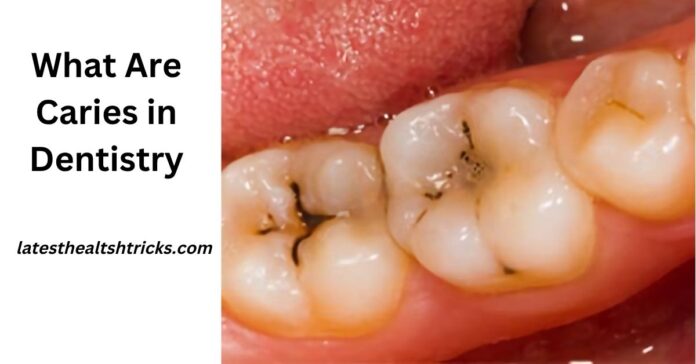
If you have ever visited a dentist, you may have heard the terms “dental caries,” “tooth decay,” or “cavities.” Many people wonder, what are caries in dentistry, and why are they considered one of the most common dental problems in the world?
Dental caries affect millions of children, teenagers, and adults every year. Although they are common, many people do not fully understand how they develop, why they happen, and what can be done to prevent them.
Understanding what are caries in dentistry is important because untreated caries can lead to pain, infections, tooth loss, expensive dental procedures, and even problems that affect overall health. The good news is that dental caries are largely preventable when people understand the causes and follow proper oral care habits.
This comprehensive guide explains everything you need to know about dental caries, including their causes, symptoms, stages, risk factors, treatment options, prevention methods, and the latest insights from modern dentistry.
What Are Caries in Dentistry?
Dental caries are damaged areas of a tooth caused by the gradual breakdown of tooth structure. These damaged areas eventually become small holes or openings known as cavities.
In simple terms, when people ask, “what are caries in dentistry,” the answer is that caries are tooth decay caused by bacteria, sugars, and acids that slowly destroy the enamel and deeper layers of the tooth.
Dental caries are considered a chronic disease because they develop over time. They occur when bacteria in the mouth feed on sugars and carbohydrates from food and drinks. These bacteria produce acids that attack the tooth surface repeatedly.
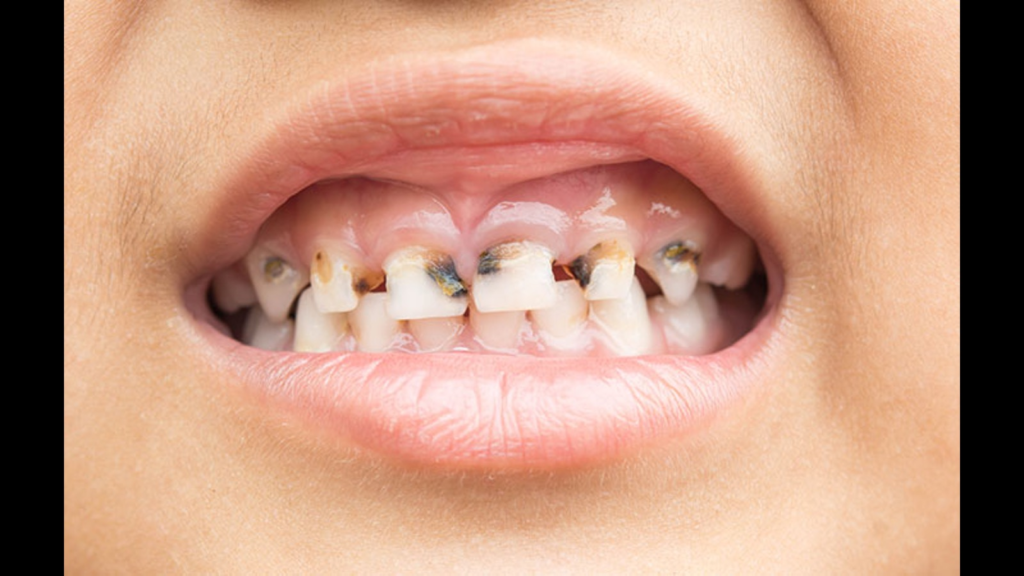
If the damage continues without treatment, the decay can spread deeper into the tooth and eventually affect the nerve, causing severe pain and infection.
Understanding Tooth Structure
To better understand what are caries in dentistry, it helps to know the basic structure of a tooth.
Enamel
Enamel is the hard outer layer of the tooth. It is the strongest substance in the human body, but acids can still damage it over time.
Dentin
Below the enamel lies dentin. Dentin is softer than enamel and more vulnerable to decay.
Pulp
The pulp is the innermost part of the tooth. It contains nerves, blood vessels, and connective tissues.
Root
The root anchors the tooth into the jawbone and provides support.
Dental caries usually begin in the enamel and gradually move into the dentin and pulp if left untreated.
How Do Dental Caries Develop?
The development of dental caries is a gradual process involving several factors.
Step 1: Formation of Plaque
Plaque is a sticky film made of bacteria, saliva, and food particles that forms on the teeth every day.
Step 2: Consumption of Sugary Foods
When you eat sugary or starchy foods, bacteria in plaque use these substances as fuel.
Step 3: Acid Production
The bacteria produce acids as a byproduct. These acids attack the enamel.
Step 4: Mineral Loss
Repeated acid attacks cause minerals such as calcium and phosphate to leave the enamel. This process is called demineralization.
Step 5: Cavity Formation
If mineral loss continues, the enamel weakens and a cavity forms.
Step 6: Progression of Decay
Without treatment, the decay moves deeper into the dentin and pulp.
This cycle explains exactly what are caries in dentistry and how they progress from a small problem into a serious dental condition.
Types of Dental Caries
Not all cavities are the same. Dentists classify dental caries into different categories.
Pit and Fissure Caries
These occur on the chewing surfaces of molars and premolars.
Deep grooves in these teeth can trap food and bacteria, making them difficult to clean.
Smooth Surface Caries
These develop on the flat surfaces between teeth.
Regular flossing can help prevent this type of decay.
Root Caries
Root caries affect the exposed roots of teeth.
They are more common among older adults with gum recession.
Recurrent Caries
These cavities develop around existing fillings, crowns, or dental restorations.
Early Childhood Caries
This form affects infants and young children.
Frequent exposure to sugary drinks, milk, or juice can increase the risk.
What Causes Dental Caries?
Several factors contribute to the development of dental caries.
Poor Oral Hygiene
Inadequate brushing and flossing allow plaque to remain on teeth.
High Sugar Consumption
Frequent consumption of candy, soda, cookies, cakes, and sweetened beverages increases acid production.
Dry Mouth
Saliva helps neutralize acids and wash away food particles.
Reduced saliva production increases cavity risk.
Frequent Snacking
Eating throughout the day gives bacteria a constant source of fuel.
Lack of Fluoride
Fluoride strengthens enamel and helps prevent decay.
Certain Medical Conditions
Conditions affecting saliva production or oral health can increase susceptibility to cavities.
Genetics
Some people naturally have stronger enamel or healthier saliva composition than others.
Common Symptoms of Dental Caries
The symptoms depend on how advanced the decay has become.
Early Symptoms
- White spots on teeth
- Mild tooth sensitivity
- No noticeable pain
Moderate Symptoms
- Visible holes in teeth
- Sensitivity to cold or hot foods
- Mild discomfort while eating
Advanced Symptoms
- Persistent toothache
- Sharp pain
- Swelling around the tooth
- Bad breath
- Pus formation
- Difficulty chewing
One challenge with dental caries is that early stages often cause no symptoms, which is why regular dental checkups are important.
Stages of Dental Caries
Understanding the stages helps explain what are caries in dentistry from a clinical perspective.
Stage 1: Initial Demineralization
White spots appear on enamel due to mineral loss.
At this stage, the damage may still be reversible.
Stage 2: Enamel Decay
The enamel begins breaking down, creating small cavities.
Stage 3: Dentin Decay
The cavity reaches the dentin.
Sensitivity and discomfort become more noticeable.
Stage 4: Pulp Involvement
Decay reaches the pulp.
Pain often becomes severe.
Stage 5: Abscess Formation
A bacterial infection develops around the tooth root.
This stage may require emergency dental treatment.
Risk Factors for Dental Caries
Several factors increase the likelihood of developing cavities.
Diet High in Sugar
Frequent sugar consumption remains one of the strongest risk factors.
Poor Brushing Habits
Inconsistent brushing allows plaque accumulation.
Infrequent Dental Visits
Regular examinations help detect problems early.
Smoking
Smoking contributes to oral health problems and increases cavity risk.
Age
Both children and older adults are particularly vulnerable.
Also Read: A Small World Pediatric Dentistry: Complete Guide for Parents in Scottsdale, AZ
Orthodontic Appliances
Braces and retainers can trap food particles and plaque.
Gum Recession
Exposed roots are more susceptible to decay.
How Dentists Diagnose Dental Caries
Dentists use several methods to identify cavities.
Visual Examination
The dentist looks for discoloration, holes, or damaged areas.
Dental Explorer
A special instrument may be used to check suspicious areas.
Dental X-Rays
X-rays reveal cavities hidden between teeth or below existing fillings.
Laser Detection Devices
Modern dental offices may use advanced technology to identify early decay.
Treatment Options for Dental Caries
Treatment depends on the severity of the cavity.
Fluoride Treatments
Early-stage decay may be reversed using professional fluoride applications.
Dental Fillings
Fillings are the most common treatment.
The decayed area is removed and filled with a restorative material.
Dental Crowns
Large cavities may require crowns to protect weakened teeth.
Root Canal Therapy
When decay reaches the pulp, a root canal may be necessary.
Tooth Extraction
Severely damaged teeth may need removal if they cannot be saved.
Can Dental Caries Be Reversed?
One of the most common questions related to what are caries in dentistry is whether they can be reversed.
The answer depends on the stage.
Reversible Stage
Very early decay can often be stopped or reversed through:
- Fluoride treatment
- Improved oral hygiene
- Reduced sugar intake
- Professional dental care
Irreversible Stage
Once a physical hole forms in the tooth, professional treatment becomes necessary.
The tooth cannot naturally rebuild lost structure.
How to Prevent Dental Caries
Prevention remains the best approach.
Brush Twice Daily
Use fluoride toothpaste and brush for at least two minutes.
Floss Every Day
Floss removes plaque between teeth where brushes cannot reach.
Limit Sugary Foods
Reduce the frequency of sugar consumption rather than only focusing on quantity.
Drink More Water
Water helps rinse away food particles and supports saliva production.
Visit Your Dentist Regularly
Routine examinations allow early detection.
Use Fluoride Products
Fluoride strengthens enamel and helps repair early damage.
Consider Dental Sealants
Sealants protect vulnerable chewing surfaces in children and adults.
The Connection Between Diet and Dental Caries
Diet plays a major role in cavity development.
Foods That Increase Risk
- Candy
- Soda
- Sports drinks
- Sweetened coffee beverages
- Cookies
- Cakes
- Dried fruits
- Potato chips
Foods That Support Oral Health
- Cheese
- Yogurt
- Milk
- Leafy greens
- Nuts
- Fresh vegetables
- Water
Interestingly, how often you consume sugar may matter more than how much sugar you consume at one time.
Frequent snacking creates repeated acid attacks throughout the day.
Dental Caries in Children
Children are especially vulnerable because:
- Their enamel is thinner.
- They often consume sugary snacks.
- They may not brush effectively.
Parents can help by:
- Supervising brushing.
- Limiting sugary drinks.
- Scheduling regular dental visits.
- Encouraging healthy eating habits.
Teaching good oral hygiene early can significantly reduce cavity risk later in life.
Dental Caries in Adults
Many adults assume cavities are only a childhood problem.
In reality, adults continue to develop dental caries throughout life.
Common reasons include:
- Gum recession
- Dry mouth
- Existing dental work
- Certain medications
- Poor dietary habits
Preventive care remains important at every age.
Dental Caries in Older Adults
Older adults face unique challenges.
Increased Root Caries
Receding gums expose root surfaces.
Medication-Related Dry Mouth
Many medications reduce saliva production.
Difficulty Cleaning Teeth
Arthritis and mobility issues may make brushing and flossing more difficult.
Customized preventive strategies can greatly reduce cavity risk.
Why Untreated Dental Caries Are Dangerous
Ignoring cavities can lead to serious consequences.
Severe Pain
Decay reaching the nerve often causes intense discomfort.
Tooth Loss
Advanced damage may require extraction.
Infections
Untreated decay can cause dental abscesses.
Higher Treatment Costs
Small cavities are easier and less expensive to treat than advanced infections.
Reduced Quality of Life
Pain and tooth loss can affect eating, speaking, and confidence.
Modern Advances in Caries Prevention
Dentistry continues to evolve.
Recent advancements include:
- Improved fluoride technologies
- Bioactive restorative materials
- Digital cavity detection systems
- Advanced sealants
- Risk-based preventive care programs
Modern dentistry increasingly focuses on preventing cavities before they become serious problems.
The Future of Dental Caries Management
Researchers are exploring innovative approaches such as:
- Enamel regeneration technologies
- Smart dental materials
- Targeted bacterial therapies
- Artificial intelligence for early detection
- Personalized cavity risk assessments
These developments may transform how dental caries are managed in the future.
Expert Insight: Why Dental Caries Remain So Common
One interesting observation is that dental caries are not simply caused by sugar alone.
Many experts now view cavities as the result of an imbalance in the oral environment.
People often focus on avoiding sweets, but successful prevention requires a broader approach that includes:
- Healthy saliva production
- Consistent oral hygiene
- Balanced nutrition
- Regular professional care
- Fluoride exposure
This more complete understanding helps explain why some people develop frequent cavities despite brushing regularly, while others experience very few problems.
Conclusion
So, what are caries in dentistry?
Dental caries are areas of tooth decay caused by bacteria, acids, and the breakdown of tooth structure over time. They are among the most common oral health conditions worldwide and can affect people of all ages.
The good news is that dental caries are largely preventable. Daily brushing, flossing, fluoride use, healthy eating habits, and regular dental checkups can significantly reduce the risk of cavities.
Understanding how caries develop empowers individuals to make better oral health decisions and protect their teeth for life. Early detection and treatment remain the keys to maintaining a healthy smile and avoiding more serious dental complications.
Frequently Asked Questions (FAQs)
Are dental caries contagious?
The bacteria associated with cavities can be transferred between people through saliva, but cavities themselves are not directly contagious.
Can stress increase the risk of dental caries?
Yes. Stress may contribute indirectly by causing dry mouth, poor oral hygiene habits, teeth grinding, and unhealthy dietary choices.
Do sugar-free drinks cause cavities?
Some sugar-free drinks contain acids that can still damage enamel and increase cavity risk.
Can cavities develop under existing fillings?
Yes. This condition is known as recurrent caries and can occur if bacteria enter around the edges of a filling.
Is bottled water as effective as fluoridated tap water?
Not always. Many bottled waters contain little or no fluoride. Check the label for fluoride content.
Can dental caries affect overall health?
Yes. Untreated oral infections may contribute to broader health issues and negatively affect overall well-being.
How quickly can a cavity form?
The timeline varies. Some cavities develop over several months, while others may take years depending on diet, oral hygiene, saliva, and individual risk factors.
Are electric toothbrushes better for preventing cavities?
Many studies suggest electric toothbrushes can remove more plaque than manual toothbrushes when used properly.
Can pregnant women have a higher risk of cavities?
Hormonal changes, morning sickness, and dietary changes during pregnancy can increase cavity risk in some individuals.
What is the best age to start cavity prevention?
Prevention should begin as soon as a child’s first tooth appears. Early habits often lead to better oral health throughout life.