
If you are wondering, “is dentistry a good career?”, you are not alone. Thousands of students, career changers, and professionals ask this question every year before investing their time and money into dental education.
The simple answer is yes. Dentistry remains one of the most respected, stable, and rewarding professions in the United States. It offers strong earning potential, job security, professional independence, and the opportunity to improve people’s health and confidence every day.
However, like any profession, dentistry also comes with challenges. Dental school requires a significant commitment of time, effort, and financial investment. The profession demands technical skills, attention to detail, and strong communication abilities.
This comprehensive guide explores everything you need to know about whether dentistry is a good career choice in 2026 and beyond. We will examine salaries, career opportunities, work-life balance, job outlook, future demand, advantages, disadvantages, and much more.
Whether you are a high school student, college student, or someone considering a career change, this guide will help you make an informed decision.
What Is Dentistry?
Dentistry is a healthcare profession focused on diagnosing, preventing, and treating diseases and conditions affecting the teeth, gums, mouth, and surrounding structures.
Dentists play a critical role in overall health. Modern research continues to show strong connections between oral health and general health conditions such as heart disease, diabetes, and infections.
Dentistry is more than just a career; it’s a dynamic and versatile profession that keeps you engaged and fulfilled throughout the day. Every patient presents unique challenges and opportunities, making the work both intellectually stimulating and personally rewarding.
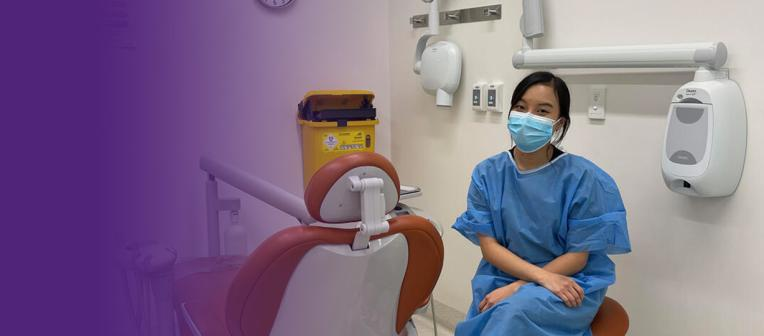
Dentists may perform tasks such as:
- Conducting oral examinations
- Diagnosing dental diseases
- Filling cavities
- Performing root canals
- Extracting teeth
- Creating treatment plans
- Placing dental implants
- Improving cosmetic appearance
- Educating patients about oral health
The profession combines science, technology, artistry, healthcare, and entrepreneurship.
Is Dentistry a Good Career?
For most people who enjoy healthcare, helping others, and working with their hands, dentistry is a good career.
The profession consistently ranks among the top healthcare careers due to its combination of income potential, flexibility, job stability, and professional satisfaction.
Several factors make dentistry attractive:
- High earning potential
- Strong job demand
- Flexible work schedules
- Opportunity to own a business
- Ability to help people directly
- Continuous learning opportunities
- Career stability
- Professional respect
Unlike many careers that are heavily affected by economic changes, dental services remain essential. People need dental care regardless of market conditions, which creates long-term stability.
For individuals who enjoy science and patient care but may not want the demanding schedules often associated with physicians, dentistry can provide an excellent alternative.
Why Dentistry Is a Good Career
Many people search for reasons why dentistry is a good career before deciding on dental school.
Here are some of the strongest advantages.
Strong Income Potential
One of the biggest reasons people choose dentistry is the earning potential.
Dentists are among the highest-paid healthcare professionals in the United States. Earnings vary based on location, specialty, experience, and ownership status.
General dentists often earn six-figure incomes, while specialists may earn significantly more.
Over time, dentists who own successful practices can build substantial wealth through both professional income and business ownership.
High Job Security
Job security remains one of the strongest benefits of dentistry.
People will always need:
- Preventive care
- Emergency treatment
- Cosmetic procedures
- Restorative services
- Oral disease management
Because dental needs are ongoing, dentists typically enjoy stable employment opportunities throughout their careers.
Opportunity to Help People
Dentistry offers meaningful work.
Dentists help patients:
- Eliminate pain
- Restore function
- Improve confidence
- Enhance appearance
- Maintain long-term health
Many dentists report that helping patients smile again is one of the most rewarding aspects of their profession.
Excellent Work-Life Balance
Compared with many medical professions, dentistry often provides better work-life balance.
Many dentists work:
- Four-day workweeks
- Regular business hours
- Limited evenings
- Few emergency calls
This flexibility allows more time for family, hobbies, and personal interests.
Professional Independence
Dentistry offers a unique path to entrepreneurship.
Many dentists eventually own their own practices, giving them control over:
- Schedule
- Income
- Staff
- Office culture
- Treatment philosophy
This level of independence is uncommon in many healthcare careers.
Diverse Career Opportunities
Dentistry provides numerous career paths.
Professionals can work in:
- Private practice
- Group practice
- Hospitals
- Military services
- Public health organizations
- Academic institutions
- Research facilities
- Corporate dentistry
This flexibility allows dentists to adapt their careers as their goals evolve.
Is Dentistry a Good Career Choice for Students?
Students often ask, “is dentistry a good career choice compared to medicine, pharmacy, nursing, or engineering?”
The answer depends on personal interests and goals.
Dentistry may be an excellent choice if you enjoy:
- Biology
- Healthcare
- Problem solving
- Working with people
- Hands-on procedures
- Fine motor skills
- Long-term patient relationships
Students who prefer practical work combined with scientific knowledge often thrive in dentistry.
Unlike some careers where automation may replace certain tasks, dentistry requires human judgment, precision, communication, and personalized care.
These qualities make dentistry highly resilient in a changing job market.
Is Dentistry a Good Career for the Future?
A common question today is: “is dentistry a good career for the future?”
The outlook remains highly positive.
Several trends support long-term growth:
Aging Population
The U.S. population continues to age.
Older adults often require:
- Dental implants
- Dentures
- Restorative procedures
- Periodontal care
- Oral health monitoring
This growing demographic increases demand for dental services.
Increased Awareness of Oral Health
People are becoming more aware of the connection between oral and overall health.
Preventive dental care continues to gain importance, creating ongoing demand for professional services.
Cosmetic Dentistry Growth
Cosmetic procedures are increasingly popular.
Patients seek:
- Teeth whitening
- Veneers
- Smile makeovers
- Invisalign treatment
- Cosmetic restorations
This trend creates additional opportunities for dentists.
Technological Advancements
New technologies continue transforming dentistry.
Examples include:
- Digital scanning
- 3D printing
- Artificial intelligence
- Laser dentistry
- Computer-guided implants
Rather than replacing dentists, these innovations improve efficiency and patient outcomes.
Expanding Healthcare Needs
As healthcare access improves, more individuals seek routine dental care.
This supports continued growth in the dental profession.
Based on current trends, dentistry is likely to remain a strong career choice for decades.
Dentistry Salary Expectations
Income is often a major factor when evaluating career options.
Although earnings vary, dentistry consistently ranks among the top-paying professions.
Factors affecting salary include:
- Geographic location
- Experience level
- Specialty
- Practice ownership
- Patient volume
- Business skills
Entry-Level Dentists
New graduates typically earn strong starting salaries compared to many other professions.
While student debt can initially impact financial progress, earnings often increase substantially during the first decade of practice.
Experienced General Dentists
Experienced dentists frequently achieve high six-figure incomes, especially in underserved or high-demand markets.
ALso Read: A Small World Pediatric Dentistry: Complete Guide for Parents in Scottsdale, AZ
Dental Specialists
Specialists often earn more than general dentists.
Popular specialties include:
- Orthodontics
- Oral surgery
- Endodontics
- Periodontics
- Pediatric dentistry
- Prosthodontics
Some specialists earn among the highest incomes in healthcare.
Practice Owners
Practice ownership can significantly increase earning potential.
Successful owners benefit from:
- Clinical income
- Business profits
- Practice equity
- Long-term asset growth
Ownership requires additional management responsibilities but can provide substantial financial rewards.
Educational Requirements for Dentists
Before choosing dentistry, it is important to understand the educational pathway.
Bachelor’s Degree
Most dental students first complete a bachelor’s degree.
Common majors include:
- Biology
- Chemistry
- Biochemistry
- Health sciences
Dental Admission Test (DAT)
Applicants typically take the DAT as part of the admission process.
Strong scores improve competitiveness.
Dental School
Dental school generally requires four years of study.
Students earn either:
- Doctor of Dental Surgery (DDS)
- Doctor of Dental Medicine (DMD)
Both degrees provide equivalent qualifications.
Licensing
Graduates must pass licensing requirements before practicing.
Specialty Training
Dentists pursuing specialties complete additional residency programs.
Depending on the specialty, training may require several more years.
Challenges of a Dentistry Career
While dentistry offers many benefits, it is important to consider potential drawbacks.
Educational Costs
Dental school can be expensive.
Many graduates begin their careers with substantial student loan debt.
Careful financial planning is essential.
Physical Demands
Dentists often spend long periods:
- Sitting
- Standing
- Leaning forward
- Performing repetitive movements
Without proper ergonomics, physical strain can occur.
Patient Anxiety
Many patients fear dental treatment.
Managing anxious patients requires patience, empathy, and strong communication skills.
Business Responsibilities
Practice ownership involves:
- Hiring staff
- Managing finances
- Marketing
- Regulatory compliance
Not everyone enjoys the business side of healthcare.
Precision Requirements
Dental procedures require extreme attention to detail.
Small mistakes can have significant consequences.
Despite these challenges, many dentists find the rewards far outweigh the difficulties.
Work-Life Balance in Dentistry
Work-life balance is one of dentistry’s greatest strengths.
Unlike many healthcare careers, dentists often enjoy predictable schedules.
Benefits may include:
- Limited overnight work
- Few emergencies
- Flexible hours
- Part-time opportunities
- Family-friendly schedules
Many dentists report high satisfaction with their ability to balance professional and personal responsibilities.
This advantage contributes significantly to the profession’s popularity.
Job Satisfaction Among Dentists
Job satisfaction remains relatively high within dentistry.
Reasons include:
- Helping patients
- Financial stability
- Professional autonomy
- Flexible schedules
- Intellectual challenges
- Creative problem-solving
Many dentists develop long-term relationships with patients and families, creating meaningful personal connections.
The combination of healthcare impact and business opportunities makes dentistry uniquely fulfilling.
Is Dentistry Better Than Medicine?
Many students compare dentistry and medicine.
Neither profession is universally better.
The right choice depends on individual preferences.
Dentistry may be preferable for those seeking:
- Better schedule control
- Earlier career stability
- Practice ownership opportunities
- Fewer emergency responsibilities
- Procedural work
Medicine may appeal more to individuals interested in:
- Hospital environments
- Complex disease management
- Broader medical specialties
- Research-intensive careers
Both professions offer excellent opportunities.
Is Dentistry Better Than Pharmacy?
Compared with pharmacy, dentistry often provides:
- Higher income potential
- Greater autonomy
- More entrepreneurship opportunities
- Stronger patient relationships
However, pharmacy may involve:
- Less educational debt
- Different workplace environments
- Reduced procedural responsibilities
The best choice depends on personal interests and career goals.
Is Dentistry Better Than Nursing?
Dentistry and nursing serve different roles within healthcare.
Dentistry often offers:
- Higher earning potential
- Greater independence
- Practice ownership opportunities
- Predictable schedules
Nursing offers:
- Faster entry into healthcare
- Diverse specialties
- Flexible employment settings
Both careers are valuable and rewarding.
Is Dentistry a Good Career According to Reddit Users?
Many prospective students search “is dentistry a good career reddit” to learn from real experiences.
Common themes discussed by dentists online include:
Positive experiences:
- High income
- Work-life balance
- Job stability
- Patient impact
- Independence
Challenges frequently mentioned:
- Student loans
- Insurance pressures
- Managing staff
- Physical demands
A balanced review of discussions shows that many dentists remain satisfied with their career choice despite the challenges.
Online opinions should be considered carefully because individual experiences vary widely.
Future Trends Shaping Dentistry
The future of dentistry looks promising due to several emerging developments.
Artificial Intelligence
AI assists dentists with:
- Diagnostics
- Imaging analysis
- Treatment planning
- Administrative efficiency
AI enhances decision-making rather than replacing professionals.
Digital Dentistry
Digital workflows continue expanding through:
- CAD/CAM technology
- Digital impressions
- 3D printing
- Virtual treatment planning
These tools improve patient experiences and treatment accuracy.
Teledentistry
Remote consultations are becoming more common.
Teledentistry improves access while creating new service opportunities.
Preventive Care Expansion
Preventive dentistry continues gaining importance as healthcare systems focus on long-term wellness.
Cosmetic Demand Growth
Smile enhancement remains a growing market, creating additional revenue opportunities.
Skills Needed to Succeed as a Dentist
Successful dentists typically possess:
Communication Skills
Patients need clear explanations and reassurance.
Strong communication improves trust and treatment acceptance.
Manual Dexterity
Dental procedures require excellent hand-eye coordination.
Attention to Detail
Precision is critical for successful outcomes.
Problem-Solving Ability
Every patient presents unique clinical situations.
Empathy
Understanding patient concerns improves care quality.
Business Awareness
For practice owners, business skills contribute significantly to long-term success.
Who Should Consider a Career in Dentistry?
Dentistry may be ideal for individuals who:
- Enjoy science
- Want a healthcare career
- Like working with people
- Prefer hands-on work
- Value work-life balance
- Seek financial stability
- Appreciate entrepreneurship opportunities
The profession combines healthcare, technology, artistry, and business in a unique way.
Who May Not Enjoy Dentistry?
Dentistry may not be the best fit for individuals who:
- Dislike patient interaction
- Prefer purely academic work
- Struggle with detailed manual tasks
- Avoid responsibility
- Dislike healthcare environments
Understanding your personality and interests is important before pursuing any career.
Final Verdict: Is Dentistry a Good Career?
So, is dentistry a good career?
For many people, the answer is a strong yes.
Dentistry offers a rare combination of:
- Excellent earning potential
- High job security
- Professional respect
- Work-life balance
- Entrepreneurship opportunities
- Meaningful patient impact
- Long-term career stability
While challenges such as educational costs and patient management exist, the profession continues to attract talented individuals because of its substantial rewards.
If you enjoy science, healthcare, problem-solving, and helping others, dentistry can provide a fulfilling and financially rewarding future.
Looking ahead, the demand for dental services remains strong, making dentistry not only a good career choice today but also a good career for the future.
FAQs About Dentistry Careers
Can dentists work part-time?
Yes. Many dentists choose part-time schedules, especially later in their careers or while raising families.
Can dentists work internationally?
In many cases, yes. However, licensing requirements vary by country, and additional examinations may be required.
Do dentists need strong business skills?
Not necessarily at the beginning, but business knowledge becomes valuable for those who own or manage practices.
Can dentists specialize after dental school?
Yes. Dentists can pursue advanced training in several specialties, including orthodontics, oral surgery, pediatric dentistry, and periodontics.
Is dentistry stressful compared to other healthcare careers?
Dentistry can be stressful, but many dentists experience lower stress levels than professionals who regularly handle life-threatening medical emergencies.
How long does it take to become a dentist?
Most dentists spend approximately eight years in higher education after high school, including a bachelor’s degree and dental school.
Can dentists use advanced technology in their work?
Absolutely. Modern dentistry uses digital scanners, 3D printers, artificial intelligence, laser systems, and computer-guided treatment planning.
Will robots replace dentists in the future?
Highly unlikely. Dentistry requires human judgment, communication, creativity, and precision that cannot be fully automated.
Is dentistry a recession-proof career?
While no career is completely recession-proof, dentistry remains one of the more stable professions because oral healthcare needs continue regardless of economic conditions.
What is the biggest advantage of becoming a dentist?
Many dentists consider the combination of helping people, earning a strong income, maintaining work-life balance, and having professional independence to be the profession’s greatest advantage.