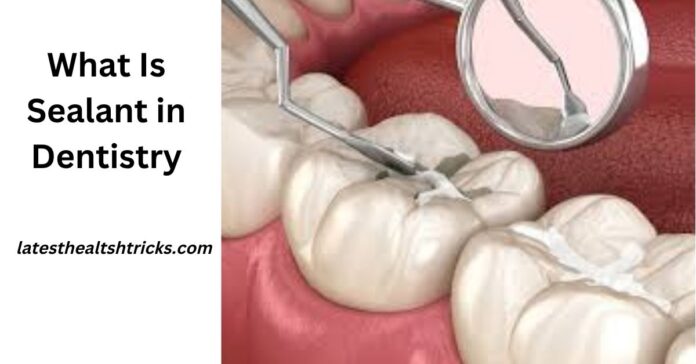
Many people brush and floss every day but still get cavities. This happens because some areas of the teeth are difficult to clean, especially the deep grooves found on the chewing surfaces of back teeth. These grooves can trap food particles, bacteria, and plaque, leading to tooth decay over time.
One of the most effective ways dentists prevent cavities is through dental sealants. If you have ever wondered what is sealant in dentistry, this comprehensive guide will explain everything you need to know in simple terms.
Dental sealants are a preventive treatment that helps protect teeth from decay before problems begin. They are commonly recommended for children, but adults can benefit from them as well. With advances in dental materials and preventive dentistry, sealants remain one of the most cost-effective methods for protecting teeth and reducing future dental treatment costs.
In this detailed guide, you will learn what is a sealant in dentistry, how it works, who needs it, how long it lasts, its benefits, risks, costs, and why many dental professionals consider it one of the best preventive dental treatments available today.
What Is Sealant in Dentistry?
To understand what is sealant in dentistry, think of a sealant as a protective shield placed over the chewing surfaces of teeth.
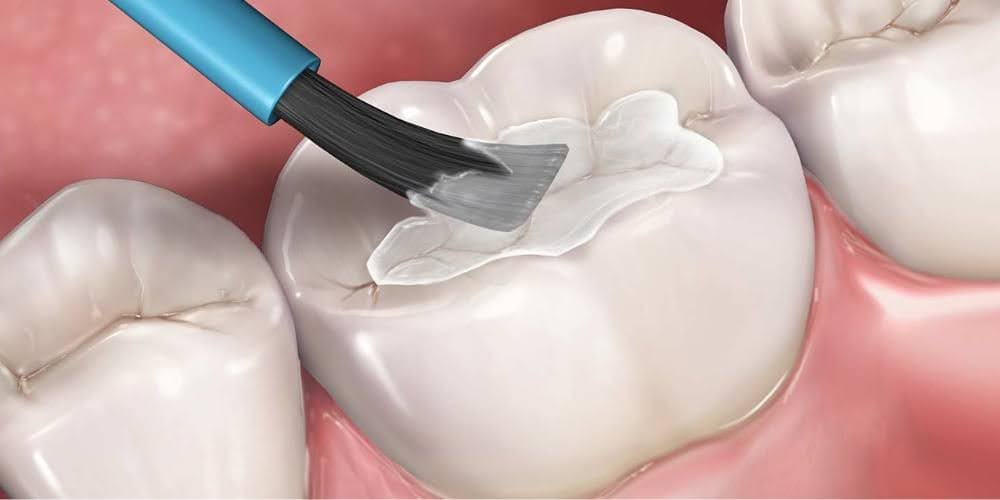
A dental sealant is a thin protective coating made from medical-grade resin or other dental materials. It is applied to the grooves and pits of molars and premolars, where cavities commonly develop.
Once applied, the sealant bonds to the tooth surface and creates a smooth barrier that prevents food particles, plaque, and bacteria from becoming trapped in hard-to-clean areas.
The primary goal of dental sealants is prevention. Instead of waiting for decay to develop and then treating it with fillings, sealants help stop cavities before they start.
Modern dental sealants are safe, durable, and widely used in preventive dentistry throughout the United States.
What Is a Sealant in Dentistry and Why Is It Important?
When people ask what is a sealant in dentistry, they are usually trying to understand its purpose.
A sealant acts like a raincoat for your teeth. Just as a raincoat protects you from getting wet, a dental sealant protects vulnerable tooth surfaces from harmful bacteria and acids.
The chewing surfaces of molars contain natural grooves and pits. Even with excellent brushing habits, toothbrush bristles may not reach the deepest parts of these grooves.
As a result:
- Food particles become trapped
- Bacteria grow in these areas
- Plaque accumulates
- Acids attack tooth enamel
- Cavities begin to form
Dental sealants cover these grooves, making them easier to clean and significantly reducing the risk of decay.
According to preventive dentistry research, sealants can reduce the risk of cavities in molars by a significant percentage during the years when children are most vulnerable to tooth decay.
Also Read: What Is Prophylaxis in Dentistry? A Complete Guide to Preventive Dental Cleaning
The History of Dental Sealants
Dental sealants have been used for several decades.
Researchers recognized that most cavities developed in the pits and fissures of back teeth. This observation led to the development of protective coatings specifically designed to seal these vulnerable areas.
Over time, dental materials improved dramatically. Modern sealants are stronger, safer, and more durable than earlier versions.
Today, sealants are considered a standard preventive treatment in many dental practices across the United States.
What Is Fissure Sealant in Dentistry?
Another common question is what is fissure sealant in dentistry.
A fissure sealant is simply another term for a dental sealant. The word “fissure” refers to the narrow grooves found on the chewing surfaces of molars and premolars.
These fissures are often deep and difficult to clean thoroughly.
When dentists apply a sealant to these grooves, it is called a fissure sealant.
In simple terms:
- Dental sealant = Protective coating
- Fissure sealant = Protective coating placed in tooth fissures
Both terms describe the same preventive dental treatment.
What Is a Fissure Sealant in Dentistry?
If you are asking what is a fissure sealant in dentistry, the answer is straightforward.
A fissure sealant is a thin coating placed inside the pits and grooves of teeth to prevent decay. It creates a physical barrier that blocks bacteria, food debris, and plaque from collecting in vulnerable areas.
Dentists commonly recommend fissure sealants for:
- Children
- Teenagers
- Adults with deep tooth grooves
- Patients at high risk of cavities
The treatment is painless, quick, and highly effective.
What Is Sealant Used for in Dentistry?
Many patients also ask what is sealant used for in dentistry.
Dental sealants have several important uses:
Cavity Prevention
The primary use of sealants is preventing cavities before they develop.
Protecting Deep Grooves
Sealants fill deep pits and fissures where bacteria commonly hide.
Reducing Future Dental Costs
Preventing cavities often means avoiding fillings, crowns, root canals, and other costly procedures.
Supporting Long-Term Oral Health
Healthy teeth contribute to better overall oral health and fewer dental problems later in life.
Preserving Natural Tooth Structure
Sealants help maintain healthy enamel and reduce the need for restorative dental treatments.
How Do Dental Sealants Work?
Dental sealants work by creating a protective barrier over the chewing surfaces of teeth.
The process works in several ways:
Blocking Food Particles
Sealants prevent food from becoming trapped in grooves.
Stopping Bacteria Growth
Without trapped food, harmful bacteria have fewer opportunities to thrive.
Preventing Acid Attacks
Bacteria produce acids that damage enamel. Sealants reduce bacterial activity in vulnerable areas.
Making Teeth Easier to Clean
Smooth sealed surfaces are easier to brush effectively.
The result is a significantly lower risk of tooth decay.
Which Teeth Usually Receive Sealants?
Sealants are most often applied to:
- First permanent molars
- Second permanent molars
- Premolars with deep grooves
These teeth are located in the back of the mouth and perform most of the chewing.
Because they have complex surfaces with pits and fissures, they are more likely to develop cavities.
Who Should Get Dental Sealants?
Dental sealants are beneficial for many individuals.
Children
Children are among the best candidates for sealants.
The first permanent molars usually erupt around age six, while second molars emerge around age twelve.
Applying sealants soon after eruption helps protect teeth during the years when cavities are most likely to occur.
Teenagers
Teenagers often benefit from sealants because they may consume sugary foods and beverages more frequently.
Adults
Many people assume sealants are only for children.
However, adults without fillings or decay in certain teeth can also benefit from sealants.
High-Risk Patients
People with a history of cavities may benefit greatly from additional protection.
Who May Not Need Sealants?
Some individuals may not require sealants, including:
- People with shallow tooth grooves
- Teeth already restored with large fillings
- Teeth with extensive decay requiring treatment
A dentist can determine whether sealants are appropriate after a dental examination.
The Dental Sealant Procedure Step by Step
One reason sealants are so popular is that the procedure is simple and painless.
Step 1: Tooth Cleaning
The dentist thoroughly cleans the tooth surface.
Step 2: Tooth Preparation
A special solution is applied to create a strong bonding surface.
Step 3: Rinsing and Drying
The tooth is rinsed and dried completely.
Step 4: Sealant Application
The liquid sealant material is painted onto the tooth.
Step 5: Hardening
A curing light may be used to harden the sealant.
Step 6: Final Check
The dentist evaluates the sealant and ensures a proper fit.
The entire process often takes only a few minutes per tooth.
Are Dental Sealants Painful?
No.
Dental sealants are among the least invasive dental procedures available.
There are:
- No injections
- No drilling
- No anesthesia in most cases
- No recovery period
Most patients feel completely comfortable during treatment.
Types of Dental Sealants
Several types of sealants are used in modern dentistry.
Resin-Based Sealants
These are the most common and durable sealants.
Glass Ionomer Sealants
These release fluoride and can be useful in certain situations.
Fluoride-Releasing Sealants
Some advanced materials provide additional cavity protection through fluoride release.
Your dentist will recommend the most suitable option based on your oral health needs.
Benefits of Dental Sealants
Dental sealants offer numerous advantages.
Effective Cavity Prevention
Sealants significantly reduce the risk of tooth decay.
Fast Procedure
Treatment can often be completed during a routine dental visit.
Cost-Effective
Preventing cavities is usually less expensive than treating them.
Non-Invasive
No drilling or removal of tooth structure is required.
Long-Term Protection
Sealants can provide years of protection.
Easy Maintenance
Patients simply continue normal brushing and flossing routines.
How Long Do Dental Sealants Last?
One of the most common questions patients ask concerns longevity.
Dental sealants typically last between 5 and 10 years.
Some may last even longer with proper care.
Factors affecting lifespan include:
- Oral hygiene habits
- Diet
- Teeth grinding
- Sealant material
- Regular dental checkups
Dentists evaluate sealants during routine examinations and can repair or replace them if necessary.
Can Sealants Fall Off?
Yes, although it is not common.
Over time, sealants may wear down or partially detach due to normal chewing forces.
Regular dental visits allow dentists to detect and repair damaged sealants before problems develop.
Are Dental Sealants Safe?
Dental sealants are considered safe by major dental organizations.
They have been studied extensively and used successfully for decades.
The materials used are carefully tested and approved for dental use.
For most patients, the benefits of cavity prevention greatly outweigh any potential concerns.
Dental Sealants vs Fillings
Many people confuse sealants and fillings.
They serve different purposes.
Sealants
- Prevent cavities
- Applied to healthy teeth
- Require no drilling
- Preserve natural tooth structure
Fillings
- Treat existing cavities
- Replace damaged tooth structure
- Require removal of decay
- Restore tooth function
Sealants help reduce the need for fillings in the future.
Dental Sealants vs Fluoride Treatments
Fluoride treatments and sealants both help prevent cavities, but they work differently.
Fluoride
Strengthens enamel across all tooth surfaces.
Sealants
Protect specific pits and grooves from bacteria and food buildup.
Together, they provide excellent cavity protection.
How Much Do Dental Sealants Cost?
Costs vary depending on location, provider, and number of teeth treated.
In the United States, sealants often cost significantly less than restorative procedures such as fillings or crowns.
Many dental insurance plans cover sealants for children because they are considered preventive care.
Patients should check with their insurance provider for specific coverage details.
Can Adults Get Dental Sealants?
Absolutely.
Adults with healthy molars and deep grooves may benefit from sealants.
Although sealants are commonly associated with children, preventive care remains valuable at any age.
Many adults choose sealants to lower their future risk of cavities and reduce dental expenses.
Caring for Teeth After Sealants
After receiving sealants, patients should continue practicing good oral hygiene.
Important habits include:
- Brushing twice daily
- Flossing every day
- Limiting sugary foods
- Drinking water regularly
- Visiting the dentist routinely
Sealants work best when combined with healthy dental habits.
Common Myths About Dental Sealants
Myth 1: Sealants Are Only for Children
Adults can benefit as well.
Myth 2: Sealants Replace Brushing
Good oral hygiene remains essential.
Myth 3: Sealants Are Painful
The procedure is typically painless.
Myth 4: Sealants Last Forever
Sealants are durable but may require maintenance or replacement.
Myth 5: Sealants Cause Cavities
Sealants are designed to prevent cavities, not cause them.
The Future of Dental Sealants
Dental technology continues to evolve.
Researchers are developing improved materials with:
- Better durability
- Enhanced bonding
- Greater fluoride release
- Improved antibacterial properties
Future innovations may make sealants even more effective in preventing tooth decay.
Also Read: What Is Abutment in Dentistry? A Complete Guide to Dental Abutments, Types, Benefits, and Procedures
Expert Insight: Why Preventive Dentistry Matters
One important lesson from modern dentistry is that prevention is better than treatment.
Many dental problems are expensive, uncomfortable, and time-consuming to fix once they develop.
Sealants represent a proactive approach to oral health. Rather than waiting for decay to occur, dentists use sealants to stop cavities before they start.
This preventive philosophy saves patients money, preserves natural teeth, and promotes lifelong oral health.
From an oral health perspective, sealants are one of the simplest treatments that can produce long-lasting benefits.
Conclusion
Understanding what is sealant in dentistry can help patients make informed decisions about their oral health.
Dental sealants are thin protective coatings applied to the chewing surfaces of teeth to prevent cavities. They are safe, painless, affordable, and highly effective. Whether you are learning what is a sealant in dentistry, what is a fissure sealant in dentistry, what is fissure sealant in dentistry, or what is sealant used for in dentistry, the answer always centers on one key goal: preventing tooth decay before it begins.
Children, teenagers, and adults can all benefit from sealants when recommended by a dental professional. Combined with brushing, flossing, fluoride, and regular dental visits, sealants play a vital role in maintaining healthy teeth for years to come.
Investing in preventive care today can help protect your smile, reduce future dental costs, and support better long-term oral health.
Frequently Asked Questions About Dental Sealants
Can dental sealants be placed over small stains on teeth?
Dentists can evaluate stained areas to determine whether they represent early decay or harmless discoloration. If appropriate, a sealant may still be placed.
Do sealants change the way teeth feel?
Most patients notice little or no difference after treatment. Any awareness of the sealant usually disappears quickly.
Can dental sealants help sensitive teeth?
Sealants are not primarily designed for sensitivity, but in some cases they may reduce discomfort by covering vulnerable grooves.
Can sealants be repaired instead of replaced?
Yes. If only a small portion of a sealant wears away, a dentist can often repair the affected area.
Do sealants affect eating habits?
No. Patients can continue eating normally after the sealant has hardened.
Are sealants visible when smiling?
Sealants are usually applied to back teeth and are generally not noticeable during normal conversation or smiling.
Can pregnant women receive dental sealants?
In many cases, preventive dental care is considered safe during pregnancy, but patients should always discuss treatment plans with their dentist and healthcare provider.
How often should sealants be checked?
Sealants should be evaluated during routine dental examinations, typically every six months.
Can sealants be applied to baby teeth?
Yes. In some cases, dentists recommend sealants on primary teeth when the teeth have deep grooves and are at high risk for decay.
Are dental sealants environmentally friendly?
Modern dental materials continue to improve, and many manufacturers are working toward safer and more sustainable dental products while maintaining effectiveness and patient safety.