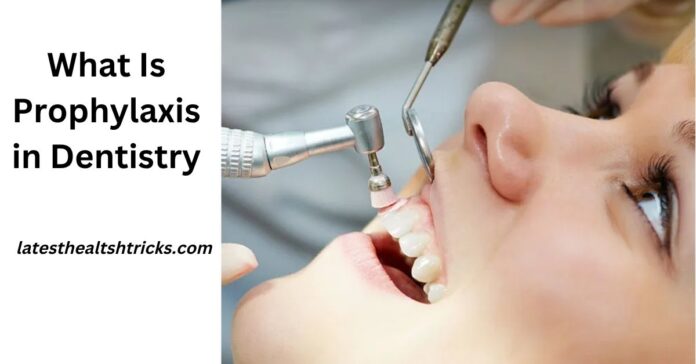
Many people visit the dentist regularly, but they often hear dental terms they do not fully understand. One of the most common terms is prophylaxis. If you have ever wondered, “what is prophylaxis in dentistry,” you are not alone.
Dental prophylaxis is one of the most important preventive treatments in modern dentistry. It helps keep teeth and gums healthy, prevents dental diseases, and supports long-term oral health. Dentists and dental hygienists recommend prophylaxis because it removes plaque, tartar, and stains that regular brushing and flossing cannot completely eliminate.
Understanding what is prophylaxis in dentistry can help you make better decisions about your oral health. Whether you are scheduling your first dental cleaning or maintaining regular checkups, knowing the purpose and benefits of prophylaxis can save you time, money, and discomfort in the future.
This comprehensive guide explains everything you need to know about dental prophylaxis, including its purpose, procedure, benefits, costs, frequency, and different types.
What Is Prophylaxis in Dentistry?
Prophylaxis in dentistry refers to a professional dental cleaning performed to prevent oral diseases. The word “prophylaxis” means prevention. In dental care, it describes procedures designed to prevent tooth decay, gum disease, and other oral health problems before they become serious.
When people ask, “what is prophylaxis in dentistry,” the simplest answer is that it is a preventive dental cleaning performed by a dental professional to maintain healthy teeth and gums.
During a prophylaxis appointment, plaque, tartar, and surface stains are removed from the teeth. The treatment also includes polishing the teeth and evaluating overall oral health.
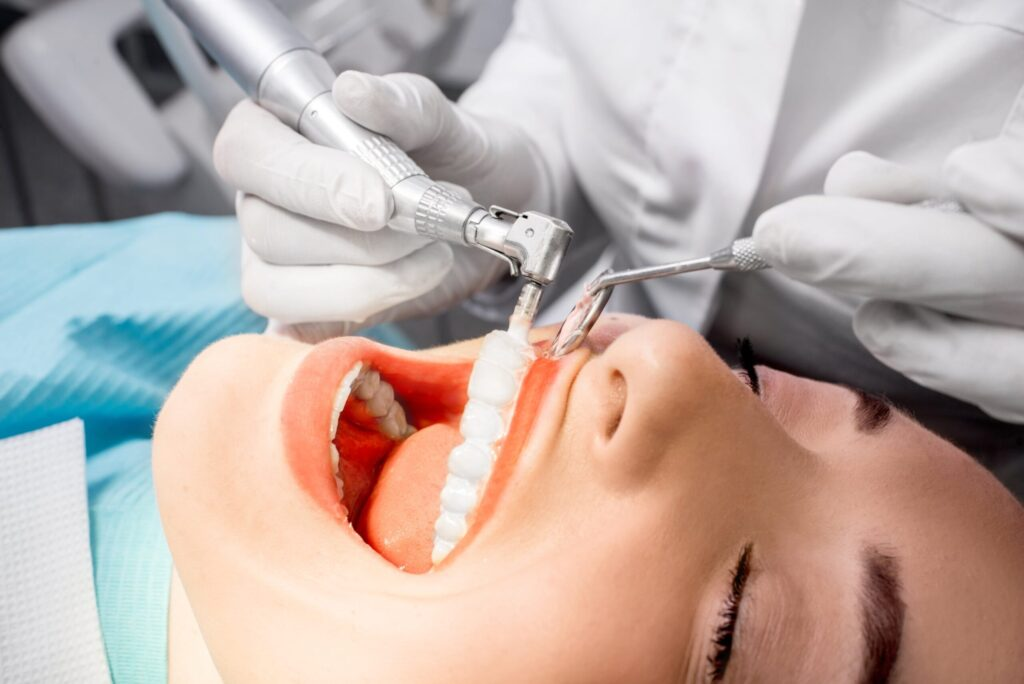
Dental prophylaxis is considered one of the foundations of preventive dentistry because it helps patients avoid costly and invasive treatments later.
Why Is Dental Prophylaxis Important?
Many oral health problems begin silently. Plaque buildup can develop without noticeable symptoms. Over time, plaque hardens into tartar, creating an environment where bacteria thrive.
Without professional cleaning, these bacteria can cause:
- Tooth decay
- Gingivitis
- Periodontitis
- Bad breath
- Gum recession
- Tooth loss
Prophylaxis helps remove harmful deposits before they lead to serious complications.
Regular professional cleanings also allow dental professionals to detect potential problems early, including:
- Cavities
- Cracked teeth
- Gum disease
- Oral infections
- Signs of oral cancer
Early detection often leads to simpler and less expensive treatment.
Understanding Plaque and Tartar
To understand what is prophylaxis in dentistry, it is important to understand plaque and tartar.
What Is Plaque?
Plaque is a sticky film of bacteria that constantly forms on teeth. It develops after eating and drinking, especially foods containing sugars and carbohydrates.
If plaque is not removed through brushing and flossing, it can damage teeth and gums.
What Is Tartar?
Tartar, also called calculus, forms when plaque hardens due to minerals in saliva.
Unlike plaque, tartar cannot be removed with a toothbrush. It must be professionally removed by a dentist or dental hygienist.
Tartar buildup increases the risk of:
- Gum disease
- Tooth decay
- Bad breath
- Tooth discoloration
This is one of the main reasons prophylaxis is necessary.
What Happens During a Dental Prophylaxis Appointment?
Many patients feel nervous before their first cleaning because they do not know what to expect.
A standard prophylaxis appointment typically includes several steps.
Oral Examination
The dental professional first examines your teeth and gums.
They look for:
- Cavities
- Gum inflammation
- Plaque buildup
- Tartar deposits
- Signs of infection
This assessment helps determine whether a routine cleaning is appropriate.
Plaque and Tartar Removal
Special dental instruments are used to remove plaque and tartar from the teeth and around the gumline.
This process is called scaling.
The hygienist carefully cleans areas that are difficult to reach with regular brushing.
Teeth Polishing
After scaling, the teeth are polished using a special paste and rotating brush.
Polishing helps:
- Remove surface stains
- Smooth tooth surfaces
- Reduce plaque accumulation
- Improve appearance
Flossing
Professional flossing removes debris between teeth and checks for areas of concern.
Fluoride Treatment (Optional)
Some patients receive fluoride treatment after cleaning.
Fluoride helps strengthen enamel and reduce cavity risk.
Oral Health Education
Dental professionals often provide personalized advice about:
- Brushing techniques
- Flossing habits
- Diet choices
- Preventive care strategies
What Is Adult Prophylaxis in Dentistry?
Many patients specifically ask, “what is adult prophylaxis in dentistry?”
Adult prophylaxis is a professional dental cleaning designed for adults who have healthy gums or only mild gingivitis.
The procedure focuses on removing plaque, tartar, and stains from above the gumline and slightly below the gumline.
Adult prophylaxis is generally recommended every six months, although some individuals may need more frequent visits based on their oral health condition.
Who Needs Adult Prophylaxis?
Adult prophylaxis is suitable for people who:
- Have healthy gums
- Have minimal tartar buildup
- Do not have advanced gum disease
- Want preventive dental care
Regular adult prophylaxis helps maintain oral health and reduce future dental problems.
What Is Prophylaxis Adult in Dentistry?
The phrase “what is prophylaxis adult in dentistry” means essentially the same thing as adult prophylaxis.
It refers to preventive cleaning services performed on adult patients to maintain healthy teeth and gums.
The goal is not to treat advanced periodontal disease but to prevent it from developing.
Dentists often classify adult prophylaxis as a routine preventive procedure and an important part of comprehensive oral healthcare.
Types of Dental Prophylaxis
Not all cleanings are the same. Different types of prophylaxis are used depending on a patient’s needs.
Routine Prophylaxis
Routine prophylaxis is performed for patients with generally healthy gums.
It focuses on preventive maintenance and plaque removal.
Child Prophylaxis
Children benefit from regular prophylaxis to:
- Prevent cavities
- Establish healthy habits
- Support proper dental development
Gross Debridement
When excessive plaque and tartar prevent a proper examination, a gross debridement may be performed.
This cleaning removes large deposits before a more detailed assessment.
Periodontal Maintenance
Patients with a history of gum disease may require periodontal maintenance instead of routine prophylaxis.
This treatment involves deeper cleaning and ongoing monitoring.
Benefits of Dental Prophylaxis
The benefits of prophylaxis extend far beyond a brighter smile.
Prevents Gum Disease
Regular cleanings help remove bacteria that contribute to gingivitis and periodontitis.
Healthy gums are essential for maintaining natural teeth throughout life.
Reduces Cavities
Plaque contains acids that attack tooth enamel.
Removing plaque regularly lowers the risk of cavities.
Improves Breath
Bad breath is often caused by bacteria and food particles.
Professional cleaning helps eliminate these sources.
Enhances Appearance
Removing stains from coffee, tea, wine, and tobacco can make teeth appear cleaner and brighter.
Saves Money
Preventive care is generally less expensive than restorative treatment.
Regular prophylaxis may help avoid:
- Fillings
- Root canals
- Gum surgery
- Tooth extractions
Supports Overall Health
Research continues to show links between oral health and overall health.
Poor oral health has been associated with:
- Heart disease
- Diabetes complications
- Respiratory infections
- Pregnancy complications
Maintaining oral health through prophylaxis may contribute to better overall wellness.
How Often Should You Get Dental Prophylaxis?
The traditional recommendation is every six months.
However, there is no universal schedule that works for everyone.
Some individuals may benefit from more frequent cleanings, including:
- Smokers
- Diabetes patients
- People with gum disease history
- Patients with braces
- Individuals prone to heavy tartar buildup
Your dentist can determine the ideal schedule based on your risk factors.
Is Dental Prophylaxis Painful?
For most patients, prophylaxis is not painful.
People with healthy gums usually experience little to no discomfort.
Patients with sensitive teeth or inflamed gums may feel mild discomfort during cleaning.
Modern dental techniques and equipment make prophylaxis safer and more comfortable than ever before.
If anxiety or sensitivity is a concern, discuss it with your dental provider before treatment.
What Is Antibiotic Prophylaxis in Dentistry?
Another common question is, “what is antibiotic prophylaxis in dentistry?”
Antibiotic prophylaxis refers to the use of antibiotics before certain dental procedures to reduce the risk of bacterial infection.
Unlike routine dental prophylaxis, antibiotic prophylaxis does not involve cleaning teeth.
Instead, it involves preventive medication.
Why Is Antibiotic Prophylaxis Used?
Dental procedures can sometimes allow bacteria from the mouth to enter the bloodstream.
For certain high-risk individuals, this could lead to serious infections.
Who May Need Antibiotic Prophylaxis?
According to current clinical recommendations, only specific patients may require antibiotic prophylaxis, including some individuals with:
- Certain heart conditions
- Prosthetic heart valves
- Previous infective endocarditis
- Specific congenital heart defects
Medical guidelines have become more selective in recent years because unnecessary antibiotic use can contribute to antibiotic resistance.
Patients should always follow recommendations from their physician and dentist.
Dental Prophylaxis vs Deep Cleaning
Many people confuse prophylaxis with deep cleaning.
Although both procedures involve cleaning teeth, they serve different purposes.
Dental Prophylaxis
Dental prophylaxis is preventive.
It is intended for patients with healthy gums or mild gingivitis.
Deep Cleaning
Deep cleaning, also known as scaling and root planing, is therapeutic.
It is used to treat periodontal disease.
Deep cleaning removes bacteria and deposits from deep periodontal pockets below the gumline.
Your dentist will recommend the appropriate treatment based on your oral examination.
Who Is a Good Candidate for Dental Prophylaxis?
Most people are excellent candidates for routine prophylaxis.
Ideal candidates include:
- Adults with healthy gums
- Teenagers
- Children
- Seniors
- Patients seeking preventive care
Regular dental visits allow professionals to determine whether prophylaxis remains appropriate over time.
Dental Prophylaxis and Cosmetic Benefits
Although prophylaxis is primarily preventive, many patients appreciate its cosmetic benefits.
Professional cleaning can remove:
- Coffee stains
- Tea stains
- Tobacco stains
- Food-related discoloration
The result is often a cleaner, brighter smile.
While prophylaxis is not the same as professional teeth whitening, it can significantly improve appearance.
Common Myths About Dental Prophylaxis
Myth 1: Brushing Is Enough
Even excellent brushing cannot remove hardened tartar.
Professional cleaning remains necessary.
Myth 2: Cleanings Damage Teeth
Modern prophylaxis techniques are designed to protect teeth, not damage them.
Myth 3: Dental Visits Are Only Necessary When Something Hurts
Many dental diseases develop without pain.
Preventive visits help identify problems early.
Myth 4: Healthy Teeth Mean Healthy Gums
Teeth can appear healthy while gum disease progresses unnoticed.
Routine examinations help monitor gum health.
How Much Does Dental Prophylaxis Cost in the United States?
The cost varies depending on:
- Location
- Dental office
- Insurance coverage
- Additional services
For uninsured patients, routine prophylaxis often ranges from approximately $75 to $250 per visit.
Many dental insurance plans cover preventive cleanings partially or fully because they help reduce long-term healthcare costs.
Patients should verify coverage details with their insurance provider.
How to Maintain Results After Prophylaxis
Maintaining oral health between appointments is essential.
Follow these habits:
- Brush twice daily
- Use fluoride toothpaste
- Floss daily
- Drink water regularly
- Limit sugary foods
- Avoid tobacco products
- Attend regular dental checkups
Consistency is the key to long-term oral health success.
The Future of Dental Prophylaxis
Preventive dentistry continues to evolve.
Modern practices increasingly use:
- Digital diagnostics
- AI-assisted imaging
- Advanced ultrasonic cleaning tools
- Personalized preventive care plans
These innovations help dental professionals identify risks earlier and provide more effective preventive treatment.
The future of prophylaxis will likely focus even more on individualized care and disease prevention.
Conclusion
If you have ever asked, “what is prophylaxis in dentistry,” the answer is simple yet important. Dental prophylaxis is a professional preventive cleaning designed to remove plaque, tartar, and stains while protecting the health of your teeth and gums.
Regular prophylaxis appointments play a vital role in preventing cavities, gum disease, bad breath, and tooth loss. They also provide opportunities for early detection of dental problems and help maintain a healthy, confident smile.
Understanding what is a prophylaxis in dentistry, what is adult prophylaxis in dentistry, what is prophylaxis adult in dentistry, and what is antibiotic prophylaxis in dentistry empowers patients to take a proactive approach to oral health.
Preventive care remains one of the smartest investments you can make for your long-term dental and overall health.
Frequently Asked Questions About Dental Prophylaxis
Does dental prophylaxis whiten teeth?
Dental prophylaxis removes many surface stains and can make teeth appear brighter. However, it is not the same as professional teeth whitening treatment.
Can dental prophylaxis remove tartar completely?
In most cases, professional prophylaxis effectively removes tartar above the gumline and minor deposits below it. Severe buildup may require additional treatment.
Is prophylaxis covered by dental insurance?
Many dental insurance plans cover routine prophylaxis because it is considered preventive care. Coverage varies by provider and policy.
Can pregnant women receive dental prophylaxis?
Yes. Routine dental cleanings are generally considered safe during pregnancy and may help reduce pregnancy-related gum inflammation.
Can smokers benefit from prophylaxis?
Absolutely. Smokers often experience increased plaque and stain accumulation. Regular prophylaxis helps improve oral health and monitor for potential complications.
What should I eat after dental prophylaxis?
Most people can return to normal eating immediately. If fluoride treatment is applied, your dentist may recommend waiting a short period before eating or drinking.
Is prophylaxis necessary if I floss every day?
Yes. Daily flossing is excellent, but it cannot remove hardened tartar. Professional cleanings remain necessary for complete preventive care.
Can dental prophylaxis help prevent tooth loss?
Yes. By reducing plaque, tartar, and gum disease risk, regular prophylaxis can significantly lower the chances of future tooth loss.
How long does a prophylaxis appointment take?
Most routine prophylaxis appointments last between 30 and 60 minutes, depending on the amount of plaque and tartar present.
At what age should children start receiving prophylaxis?
Most children can begin receiving professional dental cleanings once their teeth start developing and according to recommendations from their dentist.