Losing a tooth can affect more than just your smile. It can impact your confidence, speech, chewing ability, and overall oral health. Many people who lose a front tooth look for a quick, affordable, and natural-looking replacement while they decide on a permanent treatment. This is where a dental flipper becomes a popular option.
If you have ever asked yourself, “what is a flipper in dentistry,” you are not alone. Thousands of patients receive flipper teeth every year as a temporary solution after tooth extraction or tooth loss.
A flipper tooth is one of the most affordable and convenient ways to replace missing teeth. It can improve appearance almost immediately and help people feel comfortable smiling again. However, like any dental appliance, it comes with advantages, limitations, and care requirements.
This comprehensive guide explains everything you need to know about what is a flipper in dentistry, including how it works, its benefits, drawbacks, costs, maintenance, and whether it is the right option for you.
What Is a Flipper in Dentistry?
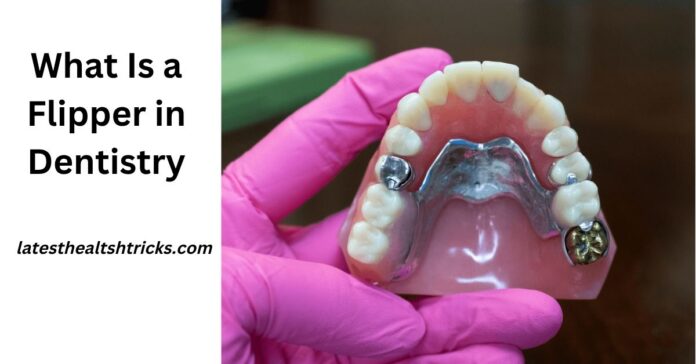
A flipper in dentistry is a removable dental appliance designed to replace one or more missing teeth temporarily. It is usually made from lightweight acrylic material and contains artificial teeth attached to a gum-colored base.
The appliance fits comfortably inside the mouth and can be easily inserted or removed by the patient.
When discussing what is a flipper in dentistry, it is important to understand that it is generally considered a temporary tooth replacement rather than a permanent solution.
Dentists often recommend a flipper tooth for patients who:
- Have recently had a tooth extracted
- Are waiting for dental implants
- Need a temporary cosmetic solution
- Are missing one or several teeth
- Want an affordable replacement option
Because flipper teeth are custom-made, they are designed to match the surrounding natural teeth as closely as possible.
In Dentistry What Is a Flipper and Why Is It Used?
Many patients ask, “in dentistry what is a flipper and why would someone need one?”
A dental flipper serves several important purposes.
First, it restores the appearance of a complete smile. Missing front teeth can significantly impact self-confidence, and a flipper can quickly improve aesthetics.
Second, it helps maintain the spacing between teeth. When a tooth is missing, neighboring teeth may gradually shift into the empty space. A flipper helps reduce this risk.
Third, it can provide some support for speaking and chewing while a patient waits for a more permanent treatment option.
In many cases, dentists recommend a flipper immediately after an extraction because it allows patients to avoid walking around with a visible gap in their smile.
What Is a Flipper Tooth in Dentistry?
Another common question is, “what is a flipper tooth in dentistry?”
A flipper tooth refers specifically to the artificial tooth attached to the removable appliance. The entire device is often called a dental flipper, while the replacement tooth itself is known as a flipper tooth.
The flipper tooth is carefully shaped and colored to resemble a natural tooth. Modern dental laboratories use advanced techniques to create realistic-looking restorations that blend with existing teeth.
Depending on the patient’s needs, a flipper may contain:
- One replacement tooth
- Multiple replacement teeth
- Front teeth replacements
- Back teeth replacements
Although flippers can replace several missing teeth, they are most commonly used for replacing front teeth where appearance is especially important.
Also Read: Does Medicare Cover Dentistry? Complete 2026 Guide to Dental Coverage Under Medicare
What Is a Flipper Used in Dentistry?
Understanding what is a flipper used in dentistry helps patients determine whether it meets their needs.
Dentists commonly use flippers for:
Temporary Tooth Replacement
This is the most common purpose. Patients waiting for implants, bridges, or permanent dentures often wear a flipper during the healing process.
Cosmetic Improvement
A missing tooth can affect confidence and self-esteem. A flipper restores the appearance of a complete smile almost immediately.
Protection After Extraction
Following a tooth extraction, the gum tissue requires time to heal. A flipper can protect the area while maintaining aesthetics.
Maintaining Tooth Position
The appliance helps prevent surrounding teeth from drifting into empty spaces.
Supporting Speech
Missing front teeth can affect pronunciation. A flipper can improve speech clarity during the transition period.
How Does a Dental Flipper Work?
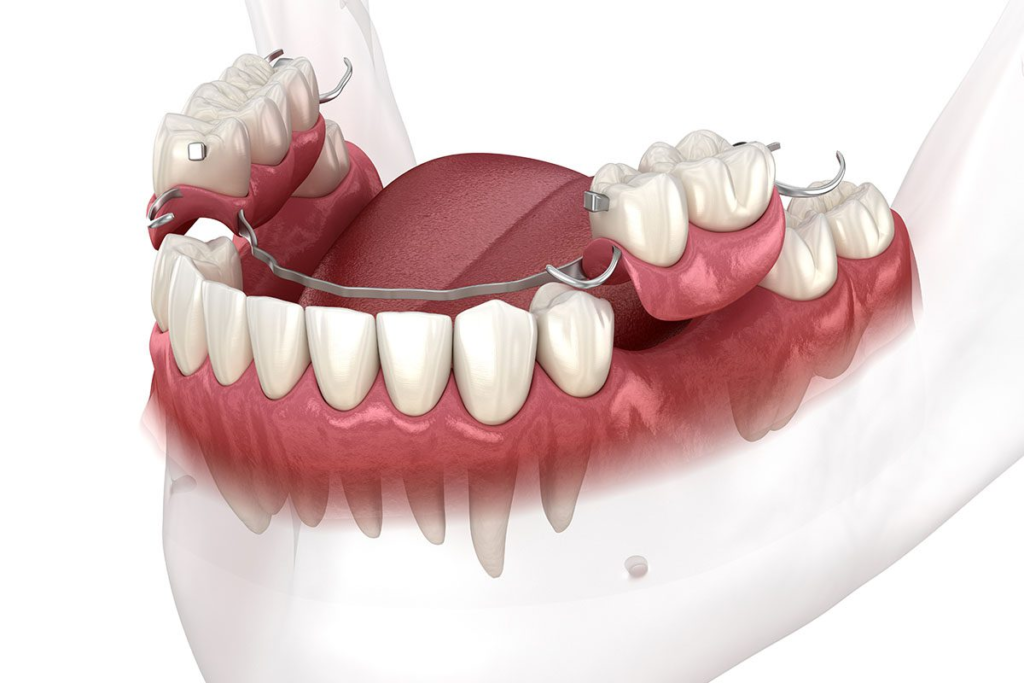
A dental flipper works by fitting securely against the gums and surrounding teeth.
The appliance typically consists of:
- Acrylic base
- Artificial tooth or teeth
- Small clasps that help hold it in place
Once inserted, the flipper fills the gap left by missing teeth and creates a more natural appearance.
Because it is removable, patients can take it out for cleaning and sleeping.
Unlike dental implants, flippers do not become permanently attached to the jawbone. They simply rest against the gums and are supported by neighboring teeth.
Who Is a Good Candidate for a Dental Flipper?
Not everyone requires a dental flipper, but many people benefit from using one.
Good candidates include:
- Adults missing one or more teeth
- Patients awaiting dental implant placement
- Individuals recovering from tooth extraction
- People seeking a low-cost tooth replacement
- Patients needing a temporary cosmetic solution
A dentist will evaluate oral health, gum condition, and treatment goals before recommending a flipper.
Benefits of a Dental Flipper
Dental flippers offer several advantages that make them popular among patients.
Affordable Solution
One of the biggest benefits is affordability. Compared with implants and bridges, flippers are significantly less expensive.
Quick Fabrication
Most flippers can be made relatively quickly. Patients often receive them within a short period after impressions are taken.
Improved Appearance
Flippers instantly restore the appearance of a complete smile.
Easy to Remove
Patients can easily remove the appliance for cleaning and maintenance.
Non-Invasive Option
Unlike implants, flippers do not require surgery.
Lightweight Design
Most flippers are lightweight and comfortable to wear after a short adjustment period.
Temporary Flexibility
They provide an excellent short-term solution while patients explore permanent options.
Drawbacks of a Dental Flipper
Although flippers have many advantages, they also have limitations.
Not a Permanent Solution
Flippers are intended for temporary use.
Less Stable Than Implants
They can sometimes shift while eating or speaking.
Potential for Breakage
The acrylic material can crack if dropped or mishandled.
Limited Chewing Ability
Patients may find it difficult to chew hard or sticky foods.
Also Read: A&B Pediatric Dentistry: Complete Guide for Parents Seeking Quality Children’s Dental Care
Requires Daily Cleaning
Proper hygiene is essential to prevent bacteria buildup.
Possible Initial Discomfort
Some patients need time to adjust to wearing a flipper.
Understanding these limitations helps patients make informed treatment decisions.
Dental Flipper vs Dental Implant
Many patients compare flippers and implants before choosing a treatment.
Dental Flipper
- Temporary solution
- Lower cost
- No surgery required
- Removable
- Faster treatment
Dental Implant
- Permanent solution
- Higher cost
- Requires surgery
- Fixed in place
- Stronger chewing ability
A flipper is often used while waiting for implant treatment.
Dental Flipper vs Dental Bridge
Bridges are another common tooth replacement option.
Flipper Advantages
- Lower cost
- Removable
- Faster process
Bridge Advantages
- Permanent placement
- Better stability
- Stronger chewing function
The best choice depends on oral health, budget, and long-term goals.
How Much Does a Dental Flipper Cost?
Cost is one of the most common concerns for patients.
In the United States, dental flipper prices generally range from:
- $300 to $500 for a simple flipper
- $500 to $1,000 for more complex cases
Several factors affect pricing:
- Number of replacement teeth
- Materials used
- Dental laboratory fees
- Geographic location
- Dentist’s experience
Some dental insurance plans may cover part of the cost when a flipper is considered medically necessary.
How Long Does a Dental Flipper Last?
The lifespan of a flipper depends on usage, maintenance, and material quality.
Most dental flippers last:
- Several months to a few years
However, they are designed primarily as temporary restorations.
Patients who use flippers for extended periods may eventually require replacement due to wear, discoloration, or changes in gum shape.
How Is a Dental Flipper Made?
Creating a dental flipper involves several steps.
Initial Examination
The dentist examines the mouth and discusses treatment goals.
Dental Impressions
Impressions or digital scans are taken to capture accurate measurements.
Laboratory Fabrication
A dental laboratory creates the custom appliance.
Fitting Appointment
The dentist adjusts the flipper for comfort and appearance.
Follow-Up Visits
Additional adjustments may be made if necessary.
The entire process is generally quick compared with many permanent dental treatments.
How to Care for a Dental Flipper
Proper care is essential for maintaining oral health and extending the life of the appliance.
Clean Daily
Use a soft toothbrush and recommended cleaner.
Remove Before Sleeping
Many dentists advise removing flippers overnight.
Handle Carefully
Avoid dropping the appliance.
Store Properly
Keep it in water or a denture solution when not in use.
Maintain Oral Hygiene
Brush and floss natural teeth regularly.
Attend Dental Checkups
Regular visits help ensure proper fit and function.
Good maintenance reduces the risk of odors, stains, and bacterial growth.
Eating with a Dental Flipper
Many patients worry about eating while wearing a flipper.
Initially, it may take time to adjust.
Helpful tips include:
- Start with soft foods
- Chew slowly
- Cut food into smaller pieces
- Avoid sticky candy
- Avoid very hard foods
- Drink plenty of water
Most patients become more comfortable after a few weeks.
Speaking with a Dental Flipper
Speech may feel different when first wearing a flipper.
Common temporary issues include:
- Slight lisp
- Difficulty pronouncing certain words
- Increased saliva production
Practice reading aloud and speaking slowly. Most patients adapt quickly and regain normal speech patterns.
Can You Sleep with a Dental Flipper?
Although some people sleep with their flipper, many dentists recommend removing it at night.
Removing the appliance allows:
- Gum tissues to rest
- Better oral hygiene
- Reduced bacterial growth
- Improved appliance longevity
Always follow your dentist’s instructions regarding overnight wear.
Are Dental Flippers Comfortable?
Comfort varies from person to person.
Initially, patients may experience:
- Mild pressure
- Slight soreness
- Increased saliva production
These symptoms usually improve within a few days as the mouth adjusts.
A properly fitted flipper should become comfortable with regular use.
Can a Flipper Replace Multiple Teeth?
Yes. Dental flippers can replace more than one missing tooth.
The design depends on:
- Number of missing teeth
- Location of missing teeth
- Oral health condition
- Available support from surrounding teeth
However, larger flippers may feel bulkier than single-tooth versions.
Risks Associated with Dental Flippers
While generally safe, flippers can present some risks if not properly maintained.
Potential issues include:
- Gum irritation
- Plaque buildup
- Tooth decay around supporting teeth
- Poor fit over time
- Damage from accidental dropping
Regular dental visits help minimize these risks.
Are Dental Flippers Worth It?
For many patients, dental flippers provide excellent value.
They are especially useful when:
- A permanent solution is not yet possible
- Budget is limited
- Immediate tooth replacement is needed
- Cosmetic concerns are important
Although they are not permanent, they often serve as an effective bridge between tooth loss and long-term restoration.
Also Read:What Is General Dentistry? A Complete Guide to Modern Dental Care
Expert Insight: When a Flipper Makes the Most Sense
From a practical dental perspective, flippers are most beneficial when viewed as transitional appliances rather than permanent replacements.
Patients who understand their temporary nature tend to have higher satisfaction levels. The greatest value comes from restoring confidence, maintaining appearance, and protecting oral structures during the healing period before definitive treatment.
A well-made flipper can dramatically improve quality of life after tooth loss while giving patients time to make informed decisions about implants, bridges, or dentures.
Conclusion
If you have been wondering what is a flipper in dentistry, the answer is simple: it is a removable, temporary dental appliance used to replace one or more missing teeth.
Understanding in dentistry what is a flipper helps patients make informed decisions about their oral health. Whether you are asking what is a flipper tooth in dentistry or what is a flipper used in dentistry, the primary purpose remains the same—restoring appearance, function, and confidence while waiting for a permanent solution.
Dental flippers are affordable, convenient, and effective for many patients. While they are not intended to replace permanent treatments like implants, they play an important role in modern restorative dentistry.
By working closely with a qualified dentist and following proper care instructions, patients can enjoy the benefits of a flipper while protecting their long-term oral health.
Frequently Asked Questions About Dental Flippers
Can a dental flipper be repaired if it breaks?
Yes. In many cases, dental laboratories can repair cracked or broken flippers. However, severe damage may require a replacement.
Will a dental flipper affect kissing?
Most people adapt quickly and experience little to no interference during normal social interactions.
Can teenagers wear dental flippers?
Yes. Dentists often recommend flippers for teenagers who are not yet candidates for permanent implants.
Does a dental flipper change the shape of your face?
Generally, no. A flipper replaces missing teeth but does not significantly alter facial structure.
Can smokers wear dental flippers?
Yes, but smoking may stain the appliance and increase oral health risks.
How often should a dental flipper be professionally checked?
Most dentists recommend an examination every six months or sooner if discomfort develops.
Can a flipper tooth fall out while talking?
A properly fitted flipper should remain secure. If movement occurs, your dentist may need to adjust the fit.
Can a dental flipper be whitened?
Traditional whitening products do not work on acrylic teeth. If significant staining occurs, replacement may be necessary.
Is a dental flipper covered by insurance?
Some dental insurance plans provide partial coverage. Coverage varies based on the policy and treatment circumstances.
What happens if I stop wearing my dental flipper?
Neighboring teeth may gradually shift, and the gap may become more noticeable. Always follow your dentist’s recommendations regarding wear time.