Dental health is an important part of overall health. Even people who brush and floss every day can still get cavities, especially in the back teeth. This is where dental sealants help.
Many people ask, “what are sealants in dentistry?” because they want to understand how dentists prevent tooth decay before it starts. Dental sealants are one of the easiest, safest, and most effective ways to protect teeth from cavities.
In this complete guide, you will learn everything about dental sealants, including how they work, who needs them, how long they last, benefits, risks, costs, and much more. This article is written in very easy English and follows the latest dental recommendations in the United States.
What Are Sealants in Dentistry?
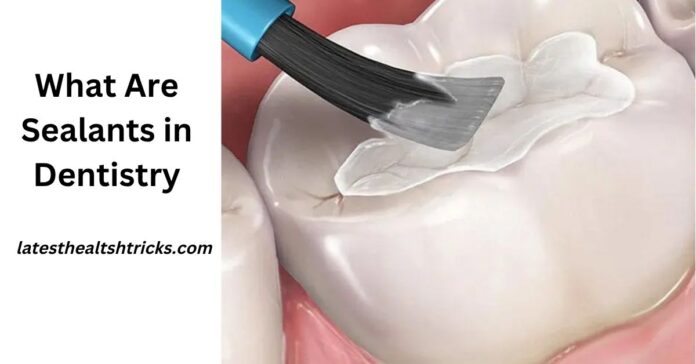
Dental sealants are thin protective coatings placed on the chewing surfaces of teeth. They are usually applied to the back teeth, called molars and premolars.
The grooves and pits in these teeth can trap food, bacteria, and plaque. Even careful brushing may not fully clean these deep grooves. Over time, bacteria produce acids that damage the enamel and cause cavities.
Sealants cover these grooves and create a smooth protective layer. This helps stop food and bacteria from getting trapped.
When people ask “what are sealants in dentistry,” the simple answer is:
Sealants are protective coatings that help prevent cavities in teeth.
Dentists mostly use sealants on children’s permanent molars, but teenagers and adults can also benefit from them.
Why Are Dental Sealants Important?
Tooth decay is one of the most common health problems in children and adults in the United States. Cavities can lead to pain, infection, expensive dental treatment, and even tooth loss.
Most cavities in children happen in the chewing surfaces of back teeth. These areas are difficult to clean because they contain deep grooves.
Dental sealants are important because they:
- Prevent cavities before they start
- Protect hard-to-clean teeth
- Save money on future dental work
- Reduce dental pain and infections
- Support long-term oral health
Research has shown that sealants can reduce cavity risk in molars by up to 80% during the first two years after application.
How Do Dental Sealants Work?
To understand what are sealants in dentistry, it helps to know how cavities form.
Your mouth naturally contains bacteria. When bacteria mix with sugars from food and drinks, they produce acids. These acids attack tooth enamel.
Back teeth have tiny grooves where bacteria hide. Sealants act like a shield over these grooves.
The sealant material bonds to the tooth surface and blocks food particles and bacteria from entering the grooves.
This creates a smoother surface that is easier to clean with brushing.
What Teeth Usually Get Sealants?
Sealants are most commonly placed on:
- First permanent molars
- Second permanent molars
- Premolars with deep grooves
These teeth are located at the back of the mouth and are used for chewing.
Dentists usually recommend sealants soon after permanent molars erupt.
First Permanent Molars
These usually appear around age 6.
Second Permanent Molars
These usually appear around age 12.
Applying sealants early protects teeth during the years when children are most likely to get cavities.
Are Dental Sealants Only for Children?
No. Although sealants are most common for children and teenagers, adults can also benefit from them.
Adults without fillings or cavities in their molars may still be good candidates for sealants.
Dentists may recommend sealants for adults who:
- Have deep grooves in teeth
- Get cavities easily
- Have poor enamel strength
- Want extra protection against decay
Some adults think sealants are only for kids, but preventive dentistry is important at every age.
What Are Dental Sealants Made Of?
Dental sealants are usually made from special plastic resins or glass ionomer materials.
Resin-Based Sealants
These are the most common type. They are strong, durable, and highly effective.
Glass Ionomer Sealants
These release fluoride slowly over time. They may not last as long as resin sealants but can still help protect teeth.
Modern sealant materials are safe and approved for dental use in the United States.
The Step-by-Step Dental Sealant Procedure
Many patients wonder what happens during the process.
The good news is that getting sealants is quick, easy, and painless.
Here is how dentists apply sealants:
Step 1: Cleaning the Tooth
The dentist or dental hygienist cleans the tooth carefully to remove plaque and food debris.
Step 2: Drying the Tooth
The tooth is dried completely. Cotton or other materials may be placed around the tooth to keep it dry.
Step 3: Preparing the Surface
A special gel is applied briefly to roughen the surface slightly. This helps the sealant bond properly.
Step 4: Rinsing and Drying
The gel is rinsed off, and the tooth is dried again.
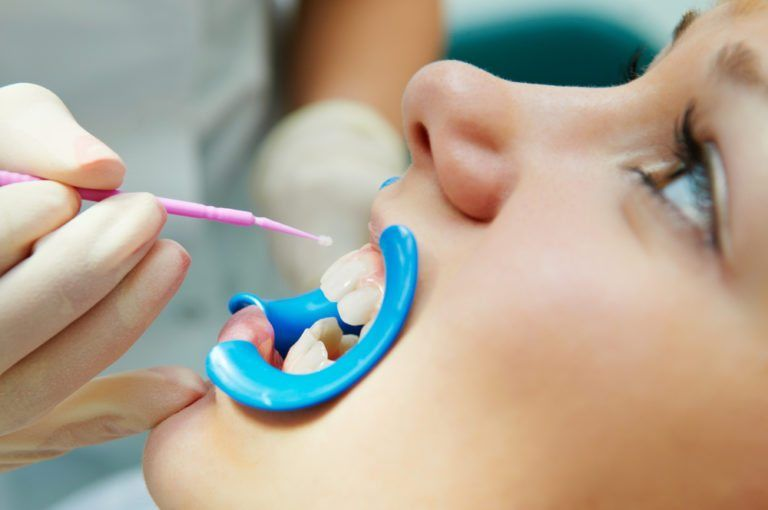
Step 5: Applying the Sealant
The liquid sealant is painted onto the chewing surface.
Step 6: Hardening the Sealant
A curing light may be used to harden the material quickly.
The entire process usually takes only a few minutes per tooth.
Are Dental Sealants Painful?
No. Dental sealants are not painful.
The procedure does not involve:
- Drilling
- Needles
- Anesthesia
- Removing tooth structure
Most children and adults feel completely comfortable during treatment.
This is one reason sealants are considered one of the easiest preventive dental treatments available.
How Long Do Dental Sealants Last?
Sealants can last several years with proper care.
On average, dental sealants may last:
- 5 to 10 years
- Sometimes even longer
Dentists check sealants during regular dental visits to make sure they are still protecting the teeth.
If a sealant becomes chipped or worn, it can usually be repaired or replaced easily.
Benefits of Dental Sealants
Understanding the benefits helps explain why so many dentists recommend them.
Strong Protection Against Cavities
Sealants create a physical barrier against bacteria and food particles.
Saves Money
Preventing cavities is much less expensive than treating them with fillings, crowns, or root canals.
Quick and Easy Treatment
The process is simple and takes very little time.
Painless Procedure
No injections or drilling are needed.
Long-Lasting Prevention
Sealants can protect teeth for years.
Excellent for Children
Children often struggle to clean back teeth properly. Sealants add extra protection during cavity-prone years.
Supports Overall Health
Healthy teeth support better nutrition, speech, confidence, and overall wellness.
Are Dental Sealants Safe?
Yes. Dental sealants are considered very safe by dental professionals and health organizations.
Some people worry about BPA exposure from sealants. However, studies show that the amount is extremely small and considered safe.
The health benefits of preventing cavities are much greater than the minimal exposure concerns.
Dentists across the United States continue to recommend sealants as a safe preventive treatment.
Can Sealants Prevent All Cavities?
No dental treatment can guarantee complete protection.
Sealants work best when combined with:
- Daily brushing
- Flossing
- Healthy eating habits
- Regular dental visits
- Fluoride use
Sealants mainly protect the chewing surfaces of teeth. Cavities can still develop between teeth or in other areas if oral hygiene is poor.
Dental Sealants vs Fillings
Many people confuse sealants with fillings.
Here is the difference:
Dental Sealants
- Prevent cavities
- Applied before decay happens
- Cover healthy teeth
- Non-invasive procedure
Dental Fillings
- Treat existing cavities
- Repair damaged teeth
- Require drilling
- Restore tooth structure
Sealants focus on prevention, while fillings focus on repair.
Dental Sealants vs Fluoride Treatments
Both treatments help prevent cavities, but they work differently.
Fluoride Treatments
Fluoride strengthens tooth enamel and helps repair early damage.
Dental Sealants
Sealants physically block bacteria and food from entering grooves.
Dentists often recommend both fluoride and sealants together for stronger protection.
At What Age Should Children Get Sealants?
Timing is very important.
Dentists usually recommend sealants:
- Around age 6 for first molars
- Around age 12 for second molars
Applying sealants soon after permanent molars appear gives the best protection.
ALso Read: De Zavala Modern Dentistry: Complete Guide to Quality Dental Care in San Antonio
Some younger children with deep grooves in baby teeth may also benefit from sealants.
Can Adults Get Dental Sealants?
Yes.
Adults without major decay or fillings in molars can still receive sealants.
Sealants may especially help adults who:
- Frequently get cavities
- Have dry mouth
- Eat sugary foods often
- Have deep grooves in teeth
Preventive care is valuable at every age.
What Happens If Sealants Wear Off?
Sealants naturally wear down over time because of chewing forces.
If a sealant becomes damaged:
- The dentist can repair it
- A new sealant can be applied
- Protection can continue
This is why regular dental checkups are important.
Do Sealants Change the Way Teeth Feel?
Most people adjust very quickly.
Some patients notice a slightly different feeling for a day or two after placement, but this usually disappears fast.
Sealants are thin and designed to fit naturally on the tooth surface.
Can You Eat After Getting Sealants?
Yes.
Most modern sealants harden immediately with curing lights.
Patients can usually eat right after the appointment.
However, dentists may suggest avoiding sticky or very hard foods for a short time.
Are Sealants Covered by Insurance?
Many dental insurance plans in the United States cover sealants for children and teenagers.
Coverage may vary depending on:
- Age
- Insurance company
- Dental plan details
Some plans may also cover sealants for adults.
Medicaid programs in many states include sealant coverage for eligible children.
How Much Do Dental Sealants Cost?
Costs vary depending on location and dental office.
In the United States, sealants may cost approximately:
- $30 to $70 per tooth without insurance
Many dentists believe sealants are highly cost-effective because they reduce future dental treatment expenses.
Who Should Avoid Dental Sealants?
Sealants may not be suitable if:
- The tooth already has a large cavity
- There is extensive damage
- The tooth already has a large filling
Dentists examine teeth carefully before recommending sealants.
Common Myths About Dental Sealants
There are many misunderstandings about sealants.
Sealants Are Only for Children
Adults can also benefit.
Sealants Replace Brushing
Sealants help, but brushing and flossing remain essential.
Sealants Are Painful
The procedure is completely painless for most patients.
Sealants Cause Health Problems
Scientific evidence supports the safety of dental sealants.
Healthy Teeth Do Not Need Sealants
Even healthy teeth with deep grooves may develop cavities later.
Why Preventive Dentistry Matters More Than Ever
Modern dentistry focuses heavily on prevention.
Preventive treatments help people:
- Avoid pain
- Reduce treatment costs
- Keep natural teeth longer
- Improve overall health
Dental sealants are a major part of preventive dentistry because they stop problems before they begin.
This approach is especially valuable for children, who may not always brush effectively.
How Dentists Decide If You Need Sealants
Dentists evaluate several factors:
- Cavity risk
- Tooth shape
- Oral hygiene habits
- Diet
- Age
- Existing dental work
Patients with deep grooves or higher cavity risk often benefit most from sealants.
Are There Different Colors of Sealants?
Yes.
Sealants may be:
- Clear
- White
- Slightly tinted
Tinted sealants help dentists see them during checkups.
Most sealants are not very noticeable when smiling or talking.
How to Care for Teeth with Sealants
Sealants do not require special care.
Good habits include:
- Brushing twice daily
- Flossing every day
- Limiting sugary snacks
- Visiting the dentist regularly
- Avoiding chewing ice or very hard objects
These habits help sealants last longer and protect overall oral health.
The Science Behind Dental Sealants
Dental research strongly supports sealants.
Studies show that children without sealants are much more likely to develop cavities in molars.
Public health programs across the United States often promote sealants in schools because they are effective and affordable.
The long-term benefits include:
- Lower cavity rates
- Reduced dental treatment costs
- Better oral health outcomes
Why Some People Still Do Not Get Sealants
Despite the benefits, many children and adults still do not receive sealants.
Reasons may include:
- Lack of awareness
- No dental insurance
- Limited access to care
- Fear of dental visits
- Misunderstanding about sealants
Education is important because many cavities can be prevented with simple treatments like sealants.
What Are Sealants in Dentistry and Why Are They Recommended So Often?
When dentists discuss cavity prevention, sealants are often one of the first recommendations.
That is because they provide direct protection exactly where cavities commonly form.
Back teeth naturally contain narrow grooves that are difficult to clean fully, especially for children.
Sealants reduce this risk significantly.
Understanding what are sealants in dentistry helps patients make informed decisions about preventive care instead of waiting for problems to appear.
ALso Read: What Is Laser Dentistry? A Complete Guide to Modern Dental Care in 2026
The Future of Dental Sealants
Dental materials continue to improve.
Researchers are developing sealants that may:
- Release more fluoride
- Last longer
- Fight bacteria more effectively
- Strengthen enamel further
Preventive dentistry will likely become even more important in the future as healthcare focuses more on stopping disease early.
Final Thoughts on What Are Sealants in Dentistry
Dental sealants are one of the simplest and most effective tools for preventing cavities.
They protect the deep grooves of back teeth where decay often begins. The procedure is quick, painless, affordable, and safe for both children and adults.
If you have been wondering “what are sealants in dentistry,” the answer is simple: they are protective coatings that help keep teeth healthy and cavity-free.
Sealants work best when combined with good oral hygiene, fluoride, healthy eating habits, and regular dental visits.
Preventing cavities early can save time, money, discomfort, and future dental problems.
For many families in the United States, dental sealants are a smart investment in lifelong oral health.
FAQs About What Are Sealants in Dentistry
Can sealants be placed over small cavities?
In some cases, dentists may place sealants over very early tooth decay to stop it from worsening. However, larger cavities usually require fillings.
Do sealants make teeth look different?
Sealants are usually clear or tooth-colored, so they are not very noticeable.
Can baby teeth get sealants?
Yes. Some children with deep grooves or high cavity risk may benefit from sealants on baby teeth.
How often should sealants be checked?
Dentists should examine sealants during regular dental checkups, usually every six months.
Are sealants better than fillings?
Sealants and fillings serve different purposes. Sealants prevent cavities, while fillings repair cavities after damage occurs.
Can adults with fillings still get sealants?
Yes, if other healthy teeth still need protection.
Do sealants stop tooth sensitivity?
Sealants are mainly used to prevent cavities, but some people may notice reduced sensitivity in grooved teeth.
Can sealants fall off?
Yes, sealants can wear down or chip over time, but dentists can repair or replace them easily.
Are sealants recommended by dentists in the United States?
Yes. Dental organizations and dentists across the United States strongly support sealants for cavity prevention.
Is getting sealants worth it?
For most children and many adults, sealants are considered highly worthwhile because they help prevent expensive dental problems later.