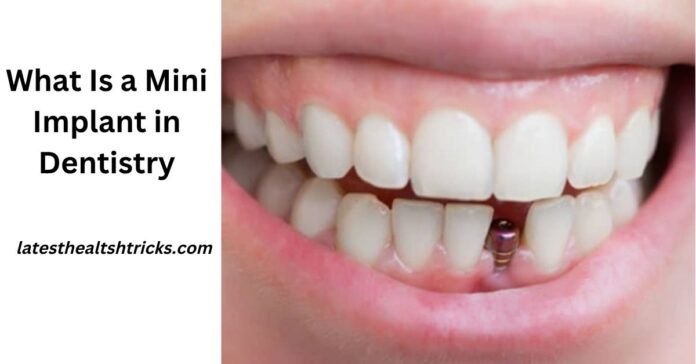
Mini dental implants are becoming one of the most popular tooth replacement options in modern dentistry. Many people who lose teeth want a solution that looks natural, feels comfortable, and costs less than traditional implants. That is why more patients are asking the same question: what is a mini implant in dentistry?
If you are missing one tooth, several teeth, or even a full arch of teeth, mini implants may offer a faster and less invasive solution. They are smaller than standard dental implants, but they can still provide strong support for dentures, crowns, and bridges in many situations.
In this complete guide, you will learn exactly what mini implants are, how they work, who needs them, their advantages, disadvantages, costs, procedure steps, recovery process, and long-term success rates. This article is written in very easy English so anyone can understand it.
What Is a Mini Implant in Dentistry?
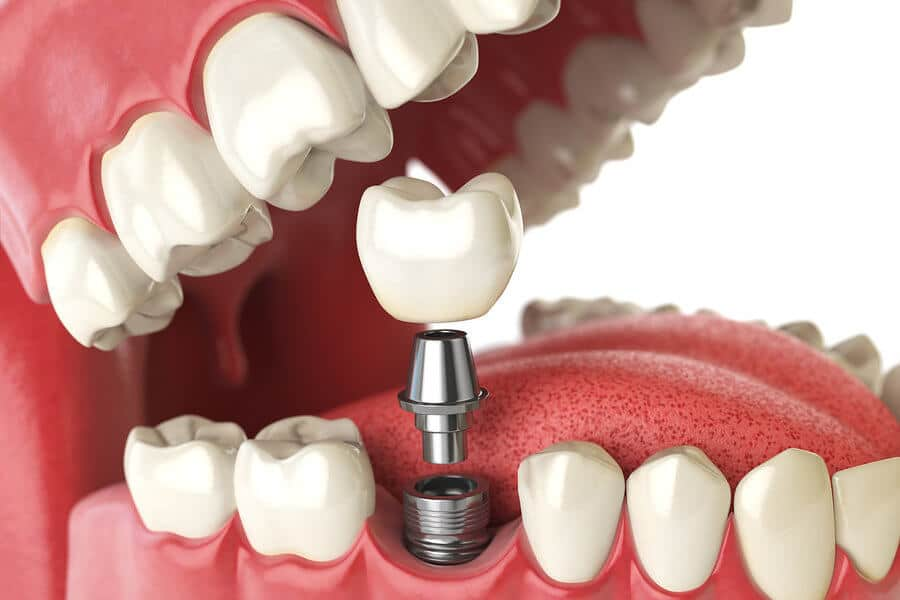
A mini implant in dentistry is a small titanium post placed into the jawbone to replace the root of a missing tooth. It works like an anchor that supports artificial teeth such as crowns, bridges, or dentures.
Mini implants are similar to regular dental implants, but they are much smaller in size. Traditional implants are usually about 3.5 to 6 millimeters wide, while mini implants are usually less than 3 millimeters wide.
Because they are thinner, mini implants can often be placed with less surgery, less pain, and a shorter healing time.
Dentists commonly use mini implants to:
- Stabilize loose dentures
- Replace small teeth
- Support bridges
- Help patients with low jawbone density
- Improve chewing and speaking ability
Many patients choose mini implants because they are less expensive and less invasive than traditional implants.
Understanding How Mini Dental Implants Work
Mini dental implants work by connecting directly with the jawbone. This process is called osseointegration. Over time, the bone grows around the implant and holds it firmly in place.
The implant usually has two main parts:
- A titanium screw-like post
- A ball-shaped end that attaches to replacement teeth or dentures
Once the implant is placed into the jawbone, the artificial tooth or denture attaches securely on top.
Mini implants help stop dentures from slipping while eating or talking. They also help improve bite strength and comfort.
Why Mini Dental Implants Are Becoming More Popular
More people are choosing mini implants today because they solve several common dental problems quickly and effectively.
Here are some major reasons for their growing popularity:
Less Invasive Procedure
Traditional implants often require major oral surgery. Mini implants usually need only a small opening in the gums. In many cases, stitches are not even needed.
Faster Recovery
Patients often recover faster after mini implant placement. Some people return to normal activities within one or two days.
Also Read: What Is the Dentistry? A Complete Guide to Oral Health, Dental Careers, and Modern Dental Care
Lower Cost
Mini implants are usually cheaper than regular implants because the procedure is simpler and requires fewer materials.
Better Denture Stability
Loose dentures can cause embarrassment and discomfort. Mini implants help hold dentures firmly in place.
Option for Patients With Bone Loss
Many people lose jawbone after losing teeth. Since mini implants are smaller, they can often work even when bone volume is limited.
Types of Mini Dental Implants
There are several types of mini implants used in dentistry. The best type depends on the patient’s dental condition.
Single Tooth Mini Implants
These implants replace one missing tooth. A dental crown is attached to the implant for a natural appearance.
Denture Stabilization Implants
These are the most common mini implants. They hold dentures securely in place and stop movement while eating or speaking.
Temporary Mini Implants
Some mini implants are temporary and used during healing or orthodontic treatment.
Narrow Diameter Implants
These implants are slightly wider than mini implants but narrower than traditional implants. Dentists use them in tight spaces.
Mini Implants vs Traditional Dental Implants
Many people wonder about the difference between mini implants and regular implants.
Here is a simple comparison.
Size Difference
Mini implants are much thinner than traditional implants.
Surgery
Mini implants usually require less surgery.
Healing Time
Mini implants often heal faster.
Cost
Mini implants are generally more affordable.
Strength
Traditional implants are usually stronger for large chewing forces.
Bone Requirements
Mini implants can work in smaller areas with less bone.
Treatment Time
Some mini implant procedures are completed in one day.
Who Is a Good Candidate for Mini Dental Implants?
Not everyone is the perfect candidate, but mini implants help many patients.
You may be a good candidate if you:
- Have loose dentures
- Are missing small teeth
- Have mild to moderate bone loss
- Want a less invasive treatment
- Cannot undergo major surgery
- Want a more affordable implant option
Mini implants are especially helpful for older adults who struggle with unstable dentures.
Who May Not Be a Good Candidate?
Some patients may need traditional implants instead.
Mini implants may not be ideal for people who:
- Have severe teeth grinding
- Need replacement for large molars
- Have serious bone disease
- Smoke heavily
- Have uncontrolled diabetes
- Have severe gum disease
A dentist will evaluate your oral health before recommending treatment.
The Mini Dental Implant Procedure Step by Step
Understanding the process helps patients feel less nervous.
Initial Consultation
The dentist examines your teeth, gums, and jawbone. X-rays or 3D scans may be taken.
Treatment Planning
The dentist decides the number and location of implants.
Numbing the Area
Local anesthesia is used to make the procedure comfortable.
Implant Placement
A small hole is made in the gum and jawbone. The mini implant is carefully inserted.
Also Read: What Is a Dentistry Bridge? Complete Guide to Dental Bridges, Types, Costs, Benefits, and Care
Attachment of Denture or Crown
In many cases, the denture or temporary crown can be attached immediately.
Healing Phase
The jawbone gradually bonds with the implant over several weeks or months.
Does Getting Mini Dental Implants Hurt?
Most patients say mini implants cause less pain than tooth extraction.
Since the procedure is minimally invasive, discomfort is usually mild. Many patients only need over-the-counter pain medicine afterward.
Some common temporary side effects include:
- Mild swelling
- Minor soreness
- Small amount of bleeding
- Gum sensitivity
Most symptoms improve within a few days.
Recovery After Mini Implant Surgery
Recovery is usually simple compared to traditional implants.
First 24 Hours
Patients should rest and avoid hard foods.
First Week
Soft foods are recommended while the gums heal.
Long-Term Healing
The bone continues bonding with the implant over several months.
Most people can return to work within one or two days.
Benefits of Mini Dental Implants
There are many advantages to choosing mini implants.
Improved Denture Stability
Dentures stay secure and do not slide around.
Better Chewing Ability
Patients can enjoy foods that were difficult before.
Easier Speaking
Loose dentures often affect speech. Mini implants improve pronunciation.
More Comfort
Implants reduce gum irritation caused by moving dentures.
Preserves Jawbone
Mini implants help slow bone loss after tooth loss.
Natural Appearance
Replacement teeth look and feel more natural.
Faster Treatment
Some patients receive implants and dentures on the same day.
Less Surgical Trauma
Smaller implants mean less cutting and faster healing.
Lower Cost
Mini implants are usually more budget-friendly.
Risks and Disadvantages of Mini Implants
Although mini implants offer many benefits, they also have some limitations.
Less Strength
Mini implants are thinner and may not handle very heavy biting pressure.
Not Suitable for Every Tooth
Large molars often need stronger traditional implants.
Possible Implant Failure
Like all implants, mini implants can fail if the bone does not bond properly.
Bone Loss Around the Implant
Poor oral hygiene may lead to infection and bone loss.
Wear Over Time
Dentures attached to mini implants may eventually need replacement parts.
How Long Do Mini Dental Implants Last?
Mini implants can last many years when properly cared for.
Some studies show success rates above 90% after several years.
Their lifespan depends on factors such as:
- Oral hygiene
- Smoking habits
- Bone quality
- Bite pressure
- Regular dental checkups
Many patients keep their mini implants for 10 years or longer.
Cost of Mini Dental Implants in the United States
The cost varies depending on location, dentist experience, and treatment complexity.
Average price ranges in the United States include:
- Single mini implant: $500 to $1,500
- Full denture stabilization: $3,000 to $10,000
Traditional implants are usually much more expensive.
Mini implants can save patients thousands of dollars.
Does Insurance Cover Mini Implants?
Some dental insurance plans may cover part of the procedure, especially if it improves oral function.
Coverage depends on:
- Your insurance provider
- Medical necessity
- Type of restoration
Patients should ask their insurance company for details before treatment.
How to Care for Mini Dental Implants
Proper care is very important for long-term success.
Brush Daily
Use a soft toothbrush twice a day.
Floss Carefully
Clean around implants to remove plaque.
Use Antibacterial Mouthwash
This helps reduce bacteria around the gums.
Visit Your Dentist Regularly
Professional cleanings help prevent infection.
Avoid Smoking
Smoking increases the risk of implant failure.
What Foods Should You Avoid After Mini Implant Surgery?
After surgery, patients should avoid foods that may irritate the healing area.
Avoid:
- Hard candy
- Nuts
- Sticky foods
- Crunchy chips
- Very hot foods
Soft foods are best during early healing.
Good choices include:
- Yogurt
- Soup
- Mashed potatoes
- Scrambled eggs
- Smoothies
Mini Implants for Dentures
One of the biggest uses of mini implants is stabilizing dentures.
Traditional dentures may slip while eating or talking. Mini implants lock the denture into place.
Benefits include:
- Stronger bite force
- Better comfort
- Reduced gum sores
- More confidence in public
Many patients report major improvements in quality of life after mini implant dentures.
Mini Implants for Front Teeth
Mini implants are often used for small front teeth because they fit narrow spaces better.
Front tooth replacement requires excellent appearance and precision.
Mini implants can create a natural smile while preserving nearby teeth.
Bone Loss and Mini Implants
Tooth loss often leads to jawbone shrinkage.
Traditional implants may require bone grafting if too much bone is lost.
Mini implants sometimes avoid the need for bone grafts because they are smaller.
This makes treatment easier and faster for many patients.
Are Mini Implants Safe?
Mini implants are considered safe when placed by trained dental professionals.
Titanium is biocompatible, meaning the body usually accepts it well.
Complications are uncommon but may include:
- Infection
- Implant loosening
- Nerve irritation
- Sinus problems in upper jaw procedures
Choosing an experienced implant dentist lowers these risks.
Success Rate of Mini Dental Implants
Research shows high success rates for mini implants when patients are selected carefully.
Success depends on:
- Proper placement
- Good oral hygiene
- Healthy gums
- Regular follow-up care
Many modern implant systems have improved greatly in recent years.
Common Myths About Mini Dental Implants
Many misunderstandings exist about mini implants.
Mini Implants Are Weak
While they are smaller, mini implants can still provide strong support in the right situations.
Also Read: What Does DMD Stand for in Dentistry? Complete Guide for Patients in 2026
The Procedure Is Extremely Painful
Most patients experience only mild discomfort.
Older Adults Cannot Get Implants
Age alone does not prevent implant treatment.
Dentures Always Slip
Implant-supported dentures are much more stable.
Mini Implants Are Only Temporary
Many mini implants are designed for long-term use.
Mini Implants and Confidence
Missing teeth affect more than appearance.
Many people lose confidence, avoid smiling, and struggle socially because of dental problems.
Mini implants often improve:
- Self-esteem
- Social confidence
- Comfort while eating
- Clear speech
- Facial appearance
Patients frequently say they feel younger and happier after treatment.
What Makes Mini Implants Different From Other Tooth Replacement Options?
There are several tooth replacement choices available today.
Dentures
Dentures are removable but may become loose.
Bridges
Bridges require support from nearby teeth.
Traditional Implants
Traditional implants are stronger but more expensive and invasive.
Mini Implants
Mini implants balance affordability, comfort, and simplicity.
For many patients, they provide the best combination of benefits.
Are Mini Implants Better Than Traditional Implants?
There is no single answer for everyone.
Mini implants may be better if you:
- Need denture stabilization
- Want lower costs
- Have less jawbone
- Prefer faster treatment
Traditional implants may be better if you:
- Need maximum strength
- Replace large chewing teeth
- Want the longest-lasting option
The best choice depends on each patient’s needs.
Latest Advances in Mini Implant Dentistry
Modern dental technology continues improving mini implant treatment.
Recent advancements include:
- Better implant surface technology
- Digital treatment planning
- 3D imaging
- Improved titanium materials
- Faster healing methods
- More precise placement systems
These innovations improve comfort, accuracy, and long-term success.
How to Choose the Right Implant Dentist
The dentist’s experience plays a major role in treatment success.
Look for a dentist who:
- Has implant training
- Uses modern technology
- Shows before-and-after cases
- Explains treatment clearly
- Provides follow-up care
Do not choose based only on low price.
Quality treatment often saves money long term.
Questions to Ask Before Getting Mini Implants
Before treatment, patients should ask important questions.
Examples include:
- Am I a good candidate?
- How many implants do I need?
- What are the risks?
- How long will healing take?
- What foods should I avoid?
- What happens if an implant fails?
- How much maintenance is required?
Good communication helps patients make informed decisions.
Emotional Benefits of Mini Dental Implants
Many dental articles focus only on technical details. However, emotional health matters too.
Tooth loss can affect:
- Mental health
- Confidence
- Social interaction
- Career opportunities
Mini implants often restore more than teeth. They help restore normal daily life.
People who feel embarrassed by missing teeth may finally feel comfortable smiling again.
Why More Dentists Recommend Mini Implants Today
Dental professionals increasingly recommend mini implants because they solve real patient problems efficiently.
Mini implants help:
- Older adults with dentures
- Patients afraid of surgery
- People with limited budgets
- Patients with bone loss
As technology improves, mini implants continue becoming more reliable and accessible.
Final Thoughts on What Is a Mini Implant in Dentistry
So, what is a mini implant in dentistry?
A mini dental implant is a small titanium implant used to support replacement teeth or stabilize dentures. It offers a less invasive, faster, and more affordable alternative to traditional dental implants.
Mini implants help improve comfort, chewing ability, speech, appearance, and confidence. They are especially helpful for people with loose dentures or reduced jawbone density.
Although mini implants are not perfect for every situation, they provide excellent results for many patients when placed correctly and cared for properly.
The growing popularity of mini implants shows how modern dentistry is becoming more patient-friendly, affordable, and efficient.
If you are considering tooth replacement options, speaking with a qualified implant dentist can help determine whether mini implants are right for you.
Frequently Asked Questions About Mini Dental Implants
How many mini implants are needed for dentures?
Most lower dentures require four mini implants for good stability. Upper dentures may require six or more because upper bone is softer.
Can mini implants be removed?
Yes. Dentists can remove mini implants if necessary, although many are designed for long-term use.
Are mini implants permanent?
Many mini implants can last many years with proper care, but no dental treatment is guaranteed forever.
Can smokers get mini implants?
Smokers can receive implants, but smoking increases the risk of failure and slows healing.
How long does mini implant surgery take?
Many procedures take one to two hours depending on the number of implants.
Do mini implants require bone grafting?
Often they do not. Their smaller size allows placement in areas with limited bone.
Can mini implants replace molars?
Sometimes, but traditional implants are often stronger for large back teeth.
Are mini implants good for elderly patients?
Yes. Many older adults benefit greatly from improved denture stability and easier chewing.
How soon can I eat after getting mini implants?
Most patients can eat soft foods the same day, but hard foods should be avoided during healing.
What happens if a mini implant fails?
The dentist may replace the implant, use another treatment method, or allow the area to heal before retreatment.
Can mini implants improve speech?
Yes. Stable dentures supported by implants often improve speaking clarity.
Do mini implants look natural?
Yes. Modern implant restorations are designed to match natural teeth closely.
Are mini implants worth it?
For many patients, mini implants provide major improvements in comfort, confidence, and quality of life at a lower cost than traditional implants.