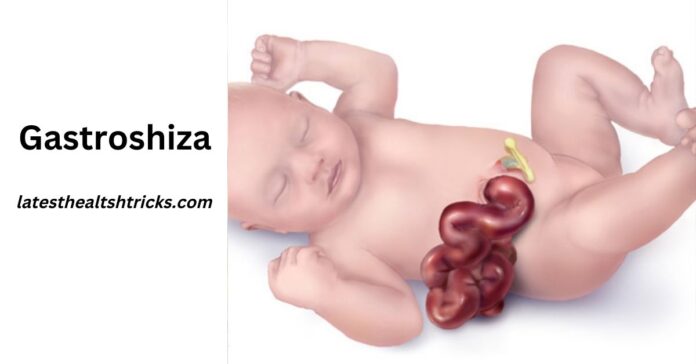
Gastroshiza is a rare birth condition that happens while a baby is still growing inside the mother’s womb. It is a developmental defect of the front wall of the abdomen. In babies with gastroshiza, a hole forms near the belly button, usually on the right side. Because of this opening, the baby’s intestines come out and float in the amniotic fluid outside the body.
This condition may sound frightening, but modern medicine has made great progress. Today, most babies born with gastroshiza survive and go on to live healthy lives with proper medical care and surgery soon after birth.
This article explains gastroshiza in very simple terms. It covers causes, symptoms, diagnosis, treatment, long-term outcomes, and practical advice for parents. It also provides updated insights, expert understanding, and answers to common questions that many websites do not fully explain.
Understanding Gastroshiza in Simple Terms
Gastroshiza happens early in pregnancy, during the time when the baby’s abdominal wall is forming. Normally, the baby’s belly wall closes completely, keeping all organs inside. But in gastroshiza, this wall does not close fully. A small hole remains open.
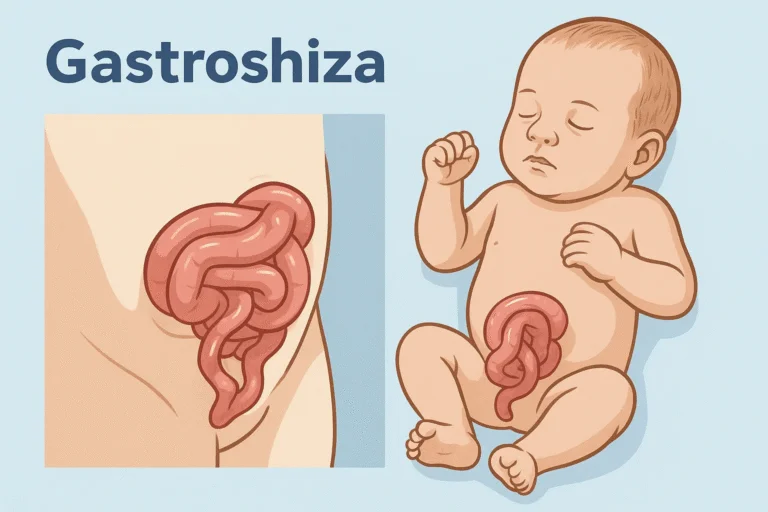
Through this hole, the baby’s intestines move outside the body. Unlike some other conditions, these intestines are not covered by a protective sac. They float freely in the amniotic fluid. This exposure can irritate and damage the intestines before the baby is born.
The key point to remember is that gastroshiza is not caused by anything the parents did wrong. It happens during development, and doctors still study the exact reasons why.
How Common Is Gastroshiza in the United States
Gastroshiza is considered rare, but its rate has slowly increased over the past few decades. In the United States, about 1 in every 2,000 to 3,000 babies is born with gastroshiza. It is more common in younger mothers, especially teenagers and women under 25.
Doctors are not fully sure why younger mothers have a higher risk. This is one of the ongoing research areas in birth defect studies.
What Causes Gastroshiza
The exact cause of gastroshiza is not fully known. However, experts believe it is linked to problems in blood flow to the developing abdominal wall early in pregnancy.
Possible contributing factors include:
Young maternal age
Smoking during pregnancy
Alcohol or drug use
Poor nutrition
Certain medications
Environmental factors
Genetic influence, although this is not strongly proven
It is important to understand that gastroshiza is not usually inherited. Most parents who have one baby with gastroshiza do not have another baby with the same condition.
Also Read: Tribupneu: The Smart Breathing System Transforming Respiratory Care and Lung Recovery
How Gastroshiza Affects the Baby Before Birth
Because the intestines are exposed to amniotic fluid, they can become swollen, thick, and irritated. This can affect how well the intestines work after birth.
Some babies with gastroshiza also have:
Shortened intestines
Blockages in the intestine
Delayed growth in the womb
Low birth weight
Premature birth
Doctors closely monitor babies with gastroshiza throughout pregnancy to check for these issues.
How Gastroshiza Is Diagnosed During Pregnancy
Today, gastroshiza is often found before the baby is born. Routine ultrasound scans usually show the intestines floating outside the baby’s body.
Blood tests may also help. A high level of a protein called AFP (alpha-fetoprotein) in the mother’s blood can suggest abdominal wall defects like gastroshiza.
Early diagnosis helps doctors plan for delivery in a hospital with specialized newborn surgery care.
What Happens at Birth When a Baby Has Gastroshiza
When a baby with gastroshiza is born, doctors act quickly. The exposed intestines must be protected to prevent infection, drying, and injury.
The baby is placed in a special sterile wrap. Fluids are given through a vein. The baby is kept warm and carefully monitored.
Surgery is usually needed within hours or days after birth.
Surgical Treatment for Gastroshiza
Surgery is the main treatment for gastroshiza. The goal is to place the intestines back inside the baby’s abdomen and close the hole.
There are two main surgical approaches:
Primary repair, where the intestines are placed back and the hole is closed in one operation
Staged repair, where a special pouch called a silo is placed over the intestines. Over several days, the intestines are slowly guided back into the abdomen before closing the hole
The choice depends on how swollen the intestines are and how much space is inside the baby’s abdomen.
Care in the Neonatal Intensive Care Unit
After surgery, babies with gastroshiza stay in the neonatal intensive care unit for several weeks.
They cannot feed normally at first because their intestines need time to heal. They receive nutrition through an IV. Slowly, they begin feeding through a tube and later by mouth.
This stage requires patience, but most babies improve steadily.
Possible Complications After Surgery
Some babies may face challenges such as:
Slow movement of food through the intestines
Infections
Intestinal blockages
Short bowel syndrome if part of the intestine is damaged
Feeding difficulties
With careful medical care, many of these issues can be managed successfully.
Also Read: Qiser: The Ultimate Guide to an Innovative Platform Transforming Productivity and Connection
Long Term Outlook for Babies with Gastroshiza
The good news is that survival rates for gastroshiza are very high in the United States, over 90 percent.
Many children grow up normally, go to school, and live healthy lives. Some may have mild digestive problems, but these usually improve with time.
Early treatment and proper follow-up care are key to a positive outcome.
How Parents Can Prepare After a Diagnosis of Gastroshiza
Learning that your baby has gastroshiza can be overwhelming. But preparation makes a big difference.
Parents should:
Deliver at a hospital with pediatric surgery specialists
Meet the surgical and neonatal care team before birth
Learn about the NICU process
Plan for a longer hospital stay
Ask questions and stay informed
Knowledge helps reduce fear and builds confidence.
Feeding and Nutrition Challenges
Feeding is one of the biggest concerns after gastroshiza surgery. Babies often take weeks to start normal feeding.
Breast milk is highly recommended because it is easier to digest and supports healing. If breastfeeding is not possible, doctors use special formulas.
Patience is important. Slow progress is normal.
Growth and Development After Gastroshiza
Some babies may be smaller at first, but most catch up in growth within the first few years.
Regular checkups ensure the child is meeting milestones and growing well.
Emotional Impact on Families
Gastroshiza affects the whole family emotionally. Long hospital stays and uncertainty can be stressful.
Parents benefit from:
Support groups
Counseling
Talking to other families with similar experiences
Staying informed and involved in care
Emotional support is just as important as medical treatment.
Recent Advances in Gastroshiza Care
Medical care for gastroshiza continues to improve.
New advances include:
Better prenatal monitoring
Improved surgical techniques
Enhanced nutrition support
Better infection control in NICUs
Faster recovery times
These improvements have greatly increased survival and quality of life.
Difference Between Gastroshiza and Other Abdominal Wall Defects
Gastroshiza is often confused with a condition called omphalocele. The key difference is that in gastroshiza, the intestines are not covered by a sac.
This difference affects treatment and outcomes. Gastroshiza usually does not involve other organ problems, while omphalocele often does.
Can Gastroshiza Be Prevented
Also Read: Cumhuritey: Meaning, Principles, and Role in Modern Governance for Better Civic Participation
There is no guaranteed way to prevent gastroshiza, but healthy pregnancy habits may reduce risk.
Avoid smoking, alcohol, and drugs
Eat a healthy diet
Take prenatal vitamins
Get early prenatal care
These steps support overall fetal development.
Living With a Child Who Had Gastroshiza
Most children who had gastroshiza lead normal lives. They may have small scars on the abdomen. Some may have sensitive digestion.
Parents learn how to manage diet and watch for signs of bowel problems, but serious long-term issues are rare.
Frequently Asked Questions About Gastroshiza
Is gastroshiza painful for the baby before birth?
The baby does not feel pain in the womb the way we understand it. The main concern is irritation to the intestines, not pain.
Will my baby need more surgeries later in life?
Most babies need only one surgery, but some may need additional procedures if complications arise.
Can a baby with gastroshiza be born naturally?
Yes, but many doctors recommend planned delivery to ensure immediate surgical care.
Does gastroshiza affect brain development?
No, gastroshiza affects only the abdominal wall and intestines. Brain development is usually normal.
Can gastroshiza happen again in another pregnancy?
The chance is very low. Most cases are not inherited.
How long will the baby stay in the hospital?
Typically between 4 to 8 weeks, depending on feeding progress and healing.
Will my child have dietary restrictions later in life?
Most children eat normally, though some may need a gentle diet in early years.
Is gastroshiza considered a disability?
After recovery, most children do not have limitations that qualify as a disability.
Can adults who had gastroshiza as babies live normal lives?
Yes, many grow up without major issues and live completely normal lives.
Final Thoughts on Gastroshiza
Gastroshiza is a serious but treatable birth condition. Early diagnosis, expert surgical care, and dedicated follow-up allow most babies to recover fully.
While the journey can be challenging for families, the outcome is often very positive. Understanding gastroshiza, knowing what to expect, and trusting the medical team make a big difference.
With modern medicine, hope is strong for babies born with gastroshiza.