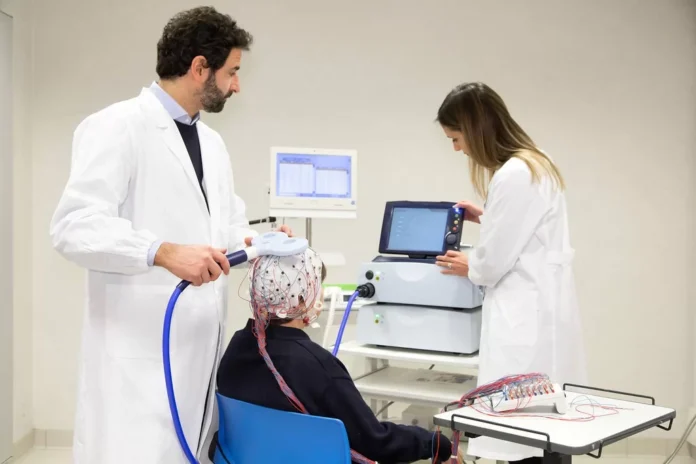
Transcranial magnetic stimulation (TMS) is a non-invasive treatment option used to manage certain mental health conditions. For patients with anxiety disorders, it may help to regulate brain activity associated with mood and stress responses. Here’s more information on how TMS can provide relief for patients with anxiety disorders:
How Does TMS Work?
Transcranial magnetic stimulation is a medical treatment that uses magnetic pulses to stimulate neurons in the brain. The TMS procedure is non-invasive and designed to increase electrical activity in specific brain regions. Brain scans often show that patients with mood disorders have less electrical activity in areas that help regulate emotions. When these regions are underactive, they cannot communicate effectively with other brain regions, leading to persistent symptoms.
How Does TMS Reduce Anxiety?
TMS therapy focuses on neuroplasticity, the brain’s ability to reorganize itself by forming new neural connections. Here’s how it reduces symptoms:
- Targeted Brain Regulation: Magnetic pulses specifically target the dorsolateral prefrontal cortex, thereby facilitating better management of worry and fear.
- Restoration of Neural Pathways: Stimulation strengthens synaptic connections between neurons, improving the brain’s ability to process stress signals effectively.
- Reduction of Hyperarousal: TMS can calm the physiological state of hyperarousal often associated with anxiety by normalizing activity in the brain’s mood centers.
- Systemic Side Effect Avoidance: Patients avoid systemic side effects common with anti-anxiety medications because the treatment is localized to the brain.
TMS addresses the neurological underpinnings of anxiety rather than masking the symptoms.
What Happens During Treatment?
The TMS process is performed in an outpatient setting, and patients do not need to arrange for a hospital stay. Here is an overview of the general treatment experience:
- Initial Mapping: A clinician reviews the patient’s medical history and conducts a mapping session to determine the precise placement of the magnetic coil and the appropriate energy level.
- Comfortable Setting: During the session, the patient sits in a comfortable, reclined treatment chair while a technician positions the TMS cap on the head.
- Sensory Experience: Upon activation, the patient hears a clicking sound and feels a light tapping on the forehead.
- Immediate Return to Routine: The session lasts approximately 30 minutes, and because no anesthesia is used, patients remain awake and can drive themselves home or return to work immediately afterward.
For optimal therapeutic results, clinicians typically recommend consistent sessions five days per week over six weeks.
Who Can Benefit From TMS?
Determining whether TMS is the appropriate course of action requires a review of the patient’s medical history and prior treatment attempts. This therapy is generally helpful for adults who have been diagnosed with anxiety or depression and have not achieved satisfactory results from antidepressant medications. TMS is also a viable option for patients who cannot tolerate the side effects of prescription medications. TMS may not be suitable for patients with non-removable metal in their heads or those with a history of seizures. A thorough evaluation by a qualified healthcare provider is necessary to make sure that the treatment is safe and appropriate for your specific situation.
Schedule Your TMS Therapy Today
Anxiety disorders can severely impact daily life, but treatment-resistant symptoms do not have to be a permanent state. TMS offers a clinically proven, non-invasive approach to recovery by directly addressing the brain activity responsible for mood regulation. This therapy provides relief without the systemic side effects of medication by restoring proper neural communication. To learn more about TMS and how it can help you, contact a qualified psychiatrist near you to book your appointment today.