Breast cancer is one of the most common cancers among women worldwide, and early detection can make a life-saving difference. Recognizing the early warning signs helps in seeking timely medical attention and improving treatment outcomes. While some symptoms can be subtle, knowing what to look for and performing regular self-examinations are essential steps toward proactive breast health.
Understanding Breast Cancer and Its Early Detection
Breast cancer occurs when abnormal cells in the breast begin to grow uncontrollably, forming a lump or mass. These cells can spread to nearby tissues or other parts of the body if not detected early. Regular screenings such as mammograms and clinical exams are vital for early diagnosis, often identifying cancer before noticeable symptoms appear.
A Lump or Thickening in the Breast
One of the most recognized warning signs of breast cancer is a lump or thickening in the breast or underarm area. Not all lumps are cancerous, but any new growth or change in breast texture should be examined by a healthcare provider.
The lump may feel hard, irregular in shape, and different from the surrounding tissue. It’s crucial to note any new mass that doesn’t go away after your menstrual cycle.
Changes in Breast Shape or Size
Sudden or unexplained changes in breast shape, contour, or size can indicate an underlying issue. You might notice that one breast appears larger, swollen, or has an unusual firmness compared to the other.
Such asymmetry, especially when combined with other symptoms, should be promptly checked by a doctor. Regular self-checks can help identify these changes early.
Skin Changes or Dimpling
Breast skin that looks dimpled, puckered, or resembles the texture of an orange peel may signal underlying cancerous tissue pulling the skin inward.
In some cases, the skin might appear red, thickened, or inflamed — a condition known as inflammatory breast cancer, which progresses rapidly and requires immediate medical attention.
Nipple Changes and Discharge
Any change in the appearance or behavior of the nipples can be an early indicator of breast cancer. This includes inverted nipples (that suddenly turn inward), scaling, itching, or pain around the nipple area.
Unusual nipple discharge — especially if it’s bloody, clear, or occurs without squeezing — should never be ignored and warrants immediate evaluation.
Breast Pain or Tenderness
While most breast pain is hormonal and not linked to cancer, persistent pain or tenderness localized to a specific area should be taken seriously.
If the discomfort is not related to your menstrual cycle and continues for several weeks, it’s important to get a professional assessment to rule out any serious cause.
Swelling in or Around the Breast or Collarbone
Swelling in the breast, armpit, or near the collarbone could indicate that breast cancer cells have spread to nearby lymph nodes. This symptom may appear even before a lump is noticeable in the breast itself.
Monitoring such swelling and seeking early consultation can help detect cancer at a more manageable stage.
Redness or Warmth in the Breast Area
Redness, warmth, or swelling over a portion of the breast may resemble an infection but can also be a symptom of inflammatory breast cancer. This type of cancer develops quickly and requires prompt diagnosis.
If the redness does not improve within a few days of treatment, consult your doctor immediately for further investigation.
Skin Peeling or Rash on the Breast
A rash or flaking skin around the nipple or breast area can sometimes mimic eczema but might indicate Paget’s disease of the breast — a rare type of cancer that affects the nipple ducts.
If topical creams or moisturizers don’t resolve the irritation, it’s essential to seek medical evaluation.
Importance of Regular Self-Examination
Performing regular breast self-examinations helps women become familiar with their normal breast structure, making it easier to detect abnormalities.
It’s best to do the exam once a month, preferably a few days after your menstrual period ends when breast tissue is less tender. Use the pads of your fingers to check for lumps, texture changes, or skin irregularities.
Mammograms and Clinical Screenings
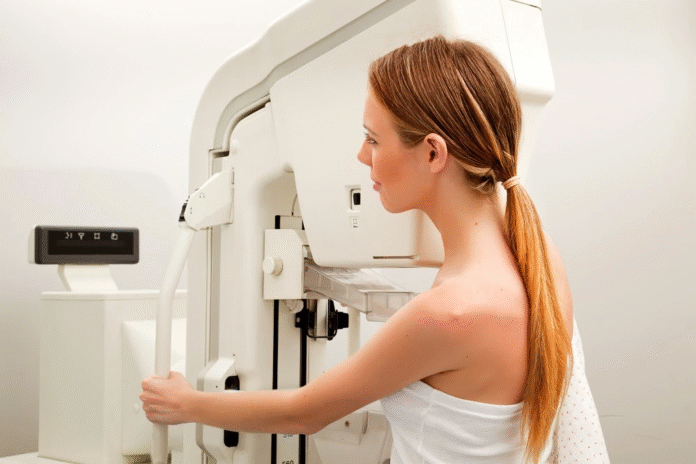
Mammograms remain the most effective tool for detecting breast cancer early — even before symptoms arise.
Doctors generally recommend women start annual or biennial mammograms at age 40, but those with a family history of breast cancer may need earlier screenings. Clinical breast exams by a healthcare professional should also be part of routine health checkups.
When to See a Doctor
You should schedule a medical appointment immediately if you notice any of the following:
- A new lump or thickening in the breast or armpit
- Changes in breast size, shape, or appearance
- Persistent pain or nipple discharge
- Skin dimpling or redness that doesn’t go away
Your doctor may recommend imaging tests such as a mammogram or ultrasound, followed by a biopsy if necessary.
Conclusion
Early detection of breast cancer can significantly improve survival rates and treatment success. Being aware of the early warning signs — such as lumps, skin dimpling, nipple changes, or unexplained swelling — allows for timely diagnosis and care.
Make it a habit to perform monthly self-exams and schedule regular mammograms as recommended by your healthcare provider. Awareness, vigilance, and early action are your strongest tools in protecting your breast health and ensuring a healthy future.