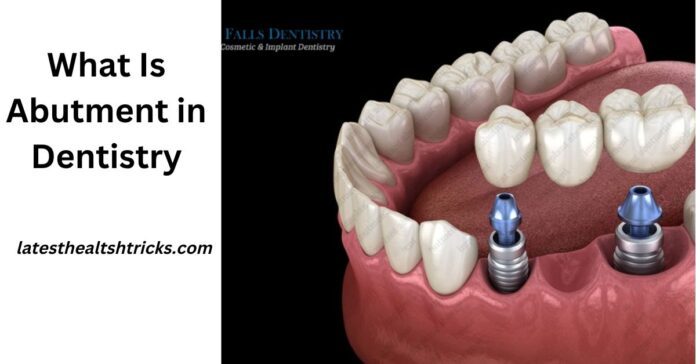
If you have been researching dental implants, crowns, bridges, or tooth replacement options, you may have come across the term “abutment.” Many patients hear this word from their dentist but are unsure what it actually means.
So, what is abutment in dentistry?
An abutment is a connector piece that joins a dental implant to a dental restoration such as a crown, bridge, or denture. It plays a critical role in ensuring that the replacement tooth remains secure, stable, and functional for many years.
Understanding dental abutments is important because they are one of the key components of successful implant dentistry. Without an abutment, a dental implant cannot properly support a replacement tooth.
In this comprehensive guide, you will learn everything about dental abutments, including their purpose, types, materials, benefits, procedure, cost factors, maintenance requirements, and common questions patients ask before treatment.
What Is Abutment in Dentistry?
The simplest answer to “what is abutment in dentistry” is that it is a connecting structure placed between a dental implant and an artificial tooth.
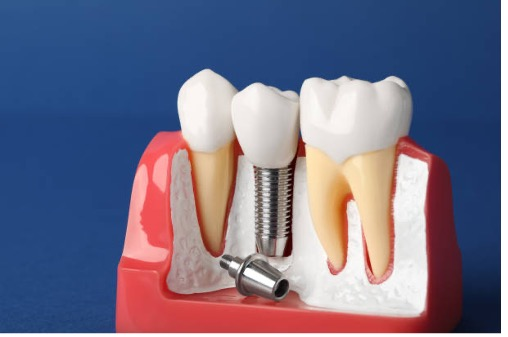
A dental implant system generally consists of three main parts:
- Dental implant fixture
- Abutment
- Dental restoration
The implant fixture is surgically placed into the jawbone and acts like a tooth root.
The abutment is attached to the implant fixture.
The restoration, such as a crown, bridge, or denture, is attached to the abutment.
Together, these three components create a strong and natural-looking replacement for missing teeth.
The abutment acts as the foundation that supports the visible portion of the replacement tooth.
What Is an Abutment in Dentistry and Why Is It Important?
Many people ask, “what is an abutment in dentistry and why do dentists use it?”
The abutment serves several important functions:
Connects the Implant to the Crown
The primary purpose of an abutment is to connect the implant post to the final restoration.
Provides Stability
An abutment helps distribute biting and chewing forces evenly across the implant and jawbone.
Supports Natural Appearance
Modern abutments help create a realistic emergence profile, making the restoration look like a natural tooth coming out of the gum.
Improves Long-Term Success
A properly designed abutment contributes significantly to implant durability and longevity.
Protects Gum Health
Well-designed abutments support healthy gum tissue and help prevent bacterial accumulation.
Without an abutment, the implant would not be able to effectively support a crown, bridge, or denture.
What Is a Dental Abutment in Dentistry?
The phrase “what is a dental abutment in dentistry” refers specifically to the connector that joins the implant to the replacement tooth.
Dental abutments are available in different shapes, sizes, and materials to meet the needs of individual patients.
Dentists select an abutment based on:
- Implant location
- Bone structure
- Gum tissue thickness
- Bite alignment
- Cosmetic requirements
- Type of restoration
The right abutment ensures both function and aesthetics.
Understanding the Three Parts of a Dental Implant System
To better understand dental abutments, it helps to know how the entire implant system works.
Implant Fixture
This titanium or zirconia post is surgically inserted into the jawbone.
Abutment
The abutment connects the implant fixture to the visible tooth restoration.
Restoration
The final crown, bridge, or denture restores appearance and function.
The abutment serves as the middle component that links everything together.
How Does a Dental Abutment Work?
After an implant fuses with the jawbone through a process called osseointegration, the dentist attaches the abutment to the implant.
The abutment extends slightly above the gum line.
The final restoration is then secured onto the abutment.
When you chew, bite, or speak, forces travel through the restoration, into the abutment, and down to the implant and jawbone.
This design closely mimics the function of a natural tooth.
Types of Dental Abutments
Several types of dental abutments are used in modern dentistry.
Stock Abutments
Stock abutments are pre-manufactured components available in standard shapes and sizes.
Advantages include:
- Lower cost
- Faster treatment
- Widely available
Limitations include:
- Less customization
- May not provide ideal aesthetics in visible areas
Custom Abutments
Custom abutments are individually designed for each patient.
These are often created using digital scanning and CAD/CAM technology.
Advantages include:
- Better fit
- Improved appearance
- Enhanced gum support
- Greater precision
Custom abutments are increasingly popular in modern implant dentistry.
What Is a Custom Abutment in Dentistry?
One of the most common questions patients ask is: “what is a custom abutment in dentistry?”
A custom abutment is a personalized connector created specifically for a patient’s mouth.
Unlike standard abutments, custom abutments are designed to match:
- Gum contours
- Tooth position
- Bite alignment
- Aesthetic goals
Dentists often recommend custom abutments for front teeth because appearance is especially important in visible areas.
Custom abutments help create a seamless, natural-looking smile.
Materials Used for Dental Abutments
Dental abutments can be made from several materials.
Titanium Abutments
Titanium remains the most widely used material.
Benefits include:
- Exceptional strength
- High durability
- Excellent biocompatibility
- Long clinical history
Zirconia Abutments
Zirconia is a tooth-colored ceramic material.
Benefits include:
- Superior aesthetics
- Natural appearance
- No metallic color
- Excellent tissue compatibility
Gold Alloy Abutments
Some specialized restorations may use gold alloy abutments.
Benefits include:
- Precise fit
- Corrosion resistance
- Long-term stability
Hybrid Abutments
Hybrid designs combine titanium and zirconia.
Benefits include:
- Strength of titanium
- Beauty of zirconia
- Enhanced functionality
When Is an Abutment Needed?
Dental abutments are commonly used in several treatments.
Single Tooth Implants
A single implant crown requires an abutment.
Implant-Supported Bridges
Multiple missing teeth may be replaced using implant-supported bridges attached through abutments.
Implant Dentures
Full or partial dentures can connect to implants through specialized abutments.
Full Mouth Restorations
Advanced restorative procedures often use multiple implants and abutments to support complete arches.
The Dental Abutment Procedure Step by Step
Patients often wonder what happens during abutment placement.
Initial Consultation
The dentist evaluates oral health and determines implant suitability.
Implant Placement
The implant is surgically inserted into the jawbone.
Healing Period
Osseointegration typically requires several months.
Abutment Placement
The dentist exposes the implant and attaches the abutment.
Gum Healing
The gums heal around the abutment.
Restoration Placement
The final crown, bridge, or denture is secured onto the abutment.
The result is a fully functional replacement tooth.
Healing After Abutment Placement
Recovery is generally straightforward.
Patients may experience:
- Mild soreness
- Slight swelling
- Temporary gum sensitivity
Most discomfort resolves within a few days.
Following post-treatment instructions promotes smooth healing.
Benefits of Dental Abutments
Dental abutments offer many advantages.
Strong Support
They provide a secure connection between the implant and restoration.
Long-Term Durability
Properly maintained abutments can last many years.
Improved Comfort
Implant restorations feel more natural compared to removable options.
Better Appearance
Modern abutments help create highly aesthetic results.
Enhanced Function
Patients can chew, speak, and smile confidently.
Preservation of Jawbone
Implant-supported restorations help maintain bone levels.
Dental Abutments and Cosmetic Dentistry
Cosmetic outcomes have become increasingly important.
Custom abutments allow dentists to:
- Improve gum contours
- Create natural tooth emergence
- Eliminate dark shadows
- Enhance smile aesthetics
These benefits are especially valuable for front teeth restorations.
How Long Do Dental Abutments Last?
Dental abutments are designed for long-term use.
Many patients enjoy decades of successful function.
Factors affecting longevity include:
- Oral hygiene
- Material quality
- Implant placement
- Bite forces
- Smoking habits
- Overall health
With proper care, abutments often last as long as the implant itself.
Can a Dental Abutment Fail?
While uncommon, complications can occur.
Potential issues include:
Loose Abutment
The connection screw may loosen over time.
Infection
Poor oral hygiene can lead to peri-implant disease.
Fracture
Excessive force may damage an abutment.
Poor Fit
Improperly designed components may create functional problems.
Regular dental visits help detect issues early.
Signs of a Problem with an Abutment
Contact your dentist if you notice:
- Implant movement
- Loose crown
- Pain when chewing
- Swollen gums
- Bleeding around the implant
- Persistent bad taste
- Gum recession
Prompt treatment can prevent more serious complications.
How to Care for a Dental Abutment
Good maintenance is essential.
Brush Twice Daily
Use a soft-bristled toothbrush.
Floss Carefully
Clean around the implant and abutment daily.
Use Water Flossers
Many implant patients benefit from water irrigation devices.
Attend Dental Checkups
Regular professional cleanings help maintain implant health.
Avoid Harmful Habits
Avoid chewing ice, opening packages with teeth, and other damaging habits.
Dental Abutment vs Dental Implant
Many people confuse implants and abutments.
Dental Implant
Placed inside the jawbone.
Acts as an artificial root.
Dental Abutment
Attached to the implant.
Supports the final restoration.
Both components are necessary for a complete implant-supported tooth replacement.
Dental Abutment vs Dental Crown
These terms are also commonly confused.
Abutment
Connector between implant and restoration.
Crown
Visible replacement tooth.
The crown sits on top of the abutment.
Cost Factors for Dental Abutments
The cost of dental abutments varies depending on several factors.
Material Selection
Titanium and zirconia have different price points.
Customization
Custom abutments generally cost more than stock abutments.
Geographic Location
Dental fees vary across regions.
Complexity
Advanced restorative cases may require specialized components.
Laboratory Technology
Digitally designed abutments may influence overall treatment costs.
Patients should discuss all fees with their dental provider before treatment.
Latest Advances in Dental Abutment Technology
Modern dentistry continues to improve abutment design.
Recent innovations include:
Digital Scanning
Improves precision and patient comfort.
CAD/CAM Manufacturing
Creates highly customized restorations.
Improved Zirconia Materials
Offers better strength and aesthetics.
Advanced Surface Treatments
Enhances tissue attachment and healing.
Artificial Intelligence Integration
Helps optimize implant planning and restorative outcomes.
These advancements contribute to better long-term results and patient satisfaction.
Who Is a Good Candidate for Dental Implant Abutments?
Most healthy adults can benefit from implant-supported restorations.
Ideal candidates generally have:
- Healthy gums
- Adequate bone volume
- Good oral hygiene
- Stable overall health
- Commitment to maintenance
A comprehensive evaluation determines suitability.
Common Myths About Dental Abutments
Myth 1: Abutments Are Visible
Most abutments are hidden beneath the restoration.
Myth 2: Abutment Placement Is Painful
The procedure is usually minor and well tolerated.
Myth 3: All Abutments Are the Same
There are many designs, materials, and customization options.
Myth 4: Abutments Require Frequent Replacement
Quality abutments often last many years.
Expert Insight: Why Abutments Matter More Than Many Patients Realize
Many patients focus primarily on the implant or crown, but the abutment is often the component that determines how well the entire restoration functions and looks.
A carefully selected abutment can:
- Improve smile aesthetics
- Support healthy gum tissue
- Increase restoration longevity
- Reduce complications
- Enhance patient comfort
In modern implant dentistry, choosing the right abutment is considered just as important as selecting the right implant.
Conclusion
If you have ever wondered “what is abutment in dentistry,” the answer is simple: it is the critical connector that joins a dental implant to a crown, bridge, or denture.
Understanding what is an abutment in dentistry helps patients make informed decisions about tooth replacement options. Whether you are researching what is a abutment in dentistry, what is a custom abutment in dentistry, or what is a dental abutment in dentistry, the key takeaway is that abutments play a vital role in implant success.
Modern dental abutments are stronger, more precise, and more aesthetic than ever before. Thanks to advances in digital dentistry and custom manufacturing, today’s patients can enjoy highly natural-looking and long-lasting restorations.
Choosing an experienced dental professional and maintaining excellent oral hygiene are the best ways to ensure your implant and abutment remain healthy for years to come.
Frequently Asked Questions About Dental Abutments
Is an abutment always required for a dental implant?
In most implant systems, yes. The abutment connects the implant to the final restoration and is a necessary component.
Can an abutment be replaced without replacing the implant?
Yes. In many cases, dentists can replace a damaged or worn abutment while keeping the implant intact.
Are zirconia abutments better than titanium?
Neither is universally better. Zirconia offers excellent aesthetics, while titanium provides exceptional strength. The best choice depends on the clinical situation.
How long after implant surgery is the abutment placed?
This varies by patient. Placement may occur several weeks to several months after implant surgery, depending on healing and treatment goals.
Do dental abutments trigger metal detectors?
No. Dental abutments and implants do not typically trigger airport metal detectors.
Can food get trapped around an abutment?
Yes, if oral hygiene is poor. Daily brushing and flossing help prevent food accumulation and bacterial growth.
Are custom abutments worth the extra cost?
For many patients, especially those replacing front teeth, custom abutments provide improved aesthetics, fit, and gum support that may justify the additional investment.
Can smokers receive dental abutments?
Yes, but smoking increases the risk of implant complications and may reduce long-term success rates.
Can an abutment support multiple teeth?
Yes. Certain abutments are designed to support bridges or implant-supported dentures that replace multiple teeth.
How often should implant abutments be checked?
Most dentists recommend professional evaluations every six months, although some patients may require more frequent monitoring.