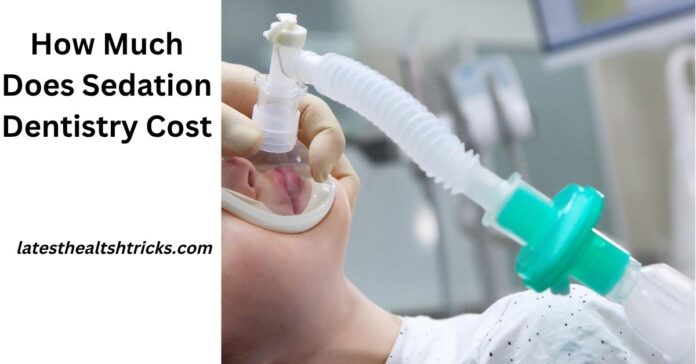
Many people avoid going to the dentist because of fear, anxiety, pain, or bad experiences from the past. Sedation dentistry helps patients feel calm and comfortable during dental procedures. It has become a popular option in the United States for both adults and children.
One of the most common questions patients ask is: how much does sedation dentistry cost?
The answer depends on several factors, including the type of sedation used, the length of the procedure, the dentist’s experience, and the location of the dental office. In general, the cost can range from about $93 to more than $1,000.
Understanding the real cost of sedation dentistry is important before scheduling treatment. Many online articles only give basic price ranges without explaining why costs change so much from one patient to another.
This complete guide explains everything you need to know about how much does sedation dentistry cost in 2026. You will learn the average prices for each type of sedation, what insurance may cover, hidden costs to watch for, and ways to save money.
This article is written in simple English so every patient can understand sedation dentistry costs clearly and make smart decisions.
What Is Sedation Dentistry?
Sedation dentistry uses medication to help patients relax during dental procedures. Some people call it “sleep dentistry,” although most patients remain awake during treatment.
Dentists use sedation for many reasons, including:
- Fear of dental procedures
- Sensitive teeth
- Strong gag reflex
- Anxiety or panic attacks
- Difficulty sitting still
- Long dental treatments
- Low pain tolerance
- Special needs patients
- Traumatic dental experiences in the past
Sedation dentistry can make treatments easier for both the patient and the dentist.\
Types of Sedation Dentistry and Their Costs
The biggest factor affecting how much does sedation dentistry cost is the type of sedation used.
Different sedation methods offer different levels of relaxation, comfort, and monitoring.
Nitrous Oxide Sedation Cost
Nitrous oxide is also called laughing gas. It is one of the most affordable sedation options in dentistry.
The dentist places a small mask over the patient’s nose. The patient breathes in a mix of nitrous oxide and oxygen. Within minutes, the patient feels relaxed and calm.
Nitrous oxide wears off quickly after the procedure ends.
Average Cost of Nitrous Oxide Sedation
Patients usually pay:
- $93 to $250 per visit
The cost depends on:
- Length of the dental appointment
- Amount of gas used
- Dentist’s location
- Complexity of treatment
Benefits of Nitrous Oxide
- Fast acting
- Safe for most patients
- Patient stays awake
- Quick recovery
- Affordable option
- Can drive home afterward in many cases
Drawbacks
- May not work well for severe anxiety
- Extra cost added to dental treatment
- Insurance may not fully cover it
Nitrous oxide is often the best option for patients with mild to moderate dental fear.
Oral Sedation Dentistry Cost
Oral sedation involves taking a prescription pill before the dental procedure. Common medications include Halcion, Valium, or Ativan.
Patients feel sleepy and deeply relaxed but usually remain awake.
Also Read: What Does DMD Stand for in Dentistry? Complete Guide for Patients in 2026
Average Cost of Oral Sedation
Most patients pay:
- $150 to $500 per appointment
Some complex procedures may cost more.
Factors That Affect Oral Sedation Cost
- Type of medication used
- Dosage amount
- Dentist’s training
- Length of appointment
- Number of pills prescribed
Benefits of Oral Sedation
- Easy to take
- Stronger relaxation than nitrous oxide
- Helpful for moderate to severe anxiety
- Can make long procedures feel shorter
Drawbacks
- Patients need someone to drive them home
- Recovery may take several hours
- Effects vary between patients
Oral sedation is popular because it offers a balance between comfort and cost.
IV Sedation Dentistry Cost
IV sedation stands for intravenous sedation. The sedative medication goes directly into the bloodstream through a vein.
This type of sedation works very quickly and allows the dentist to adjust sedation levels during treatment.
Average Cost of IV Sedation Dentistry
Patients usually pay:
- $500 to $1,500
In some large cities or specialized clinics, costs may go even higher.
Why IV Sedation Costs More
IV sedation requires:
- Advanced training
- Special equipment
- Continuous monitoring
- Additional staff
- Emergency preparedness
Benefits of IV Sedation
- Deep relaxation
- Fast acting
- Good for severe dental anxiety
- Helpful for complex surgeries
- Patients remember very little afterward
Drawbacks
- Higher cost
- Longer recovery
- Need transportation home
- Not suitable for every patient
IV sedation is commonly used for:
- Dental implants
- Wisdom teeth removal
- Full mouth reconstruction
- Multiple procedures in one visit
General Anesthesia Cost for Dentistry
General anesthesia puts the patient fully asleep.
This is the most expensive sedation option.
Average Cost of General Anesthesia in Dentistry
Typical costs range from:
- $750 to over $2,000
Hospital-based procedures can cost even more.
Why General Anesthesia Is Expensive
General anesthesia requires:
- Highly trained anesthesia providers
- Intensive patient monitoring
- Advanced safety equipment
- Recovery supervision
Benefits of General Anesthesia
- Patient completely unconscious
- No awareness during procedure
- Best for extreme dental fear
- Helpful for children or special needs patients
Drawbacks
- Highest cost
- Longer recovery time
- More medical risks
- Insurance limitations
General anesthesia is usually reserved for major procedures or patients who cannot tolerate dental treatment otherwise.
How Much Does Sedation Dentistry Cost for Common Procedures?
Patients often want to know the total cost including both the dental procedure and sedation.
Here are common examples.
Sedation Dentistry Cost for Tooth Extraction
Tooth extraction with sedation may cost:
- Simple extraction with nitrous oxide: $200 to $600 total
- Surgical extraction with IV sedation: $800 to $2,000 total
Wisdom tooth removal often costs more.
Sedation Dentistry Cost for Root Canal
Average total costs:
- Root canal with oral sedation: $700 to $1,800
- Root canal with IV sedation: $1,200 to $2,500
The tooth location affects price.
Sedation Dentistry Cost for Dental Implants
Dental implant procedures are often lengthy.
Patients may pay:
- Implant with oral sedation: $3,000 to $6,000
- Implant with IV sedation: $4,000 to $8,000
Multiple implants increase costs significantly.
Sedation Dentistry Cost for Crowns and Fillings
Patients receiving several crowns or fillings during one visit may choose sedation.
Average costs:
- Fillings with nitrous oxide: $200 to $1,000 total
- Crowns with oral sedation: $1,000 to $3,500 total
What Factors Affect How Much Sedation Dentistry Costs?
Many factors influence pricing.
Understanding these details helps patients avoid surprises.
Geographic Location
Dental costs vary widely across the United States.
Patients in cities like:
- New York
- Los Angeles
- Miami
- Chicago
- Seattle
usually pay more than patients in smaller towns.
Also Read: What Does DDS in Dentistry Stand For? Complete Guide for Patients in 2026
Higher rent, labor costs, and demand increase prices.
Dentist’s Experience and Training
Dentists with advanced sedation certifications may charge more.
However, experienced providers often offer better safety and comfort.
Choosing a highly trained sedation dentist may reduce risks.
Length of Procedure
Longer procedures usually cost more because:
- More medication is needed
- More monitoring is required
- Staff must stay longer
A one-hour appointment costs much less than a four-hour treatment.
Complexity of Treatment
Simple cleanings with nitrous oxide cost less than full-mouth surgery under IV sedation.
Complex dental procedures increase both treatment and sedation costs.
Additional Monitoring Equipment
Some sedation methods require:
- Oxygen monitoring
- Blood pressure tracking
- Heart monitoring
- Recovery supervision
These safety steps increase overall pricing.
Number of Dental Visits
Patients needing multiple appointments may pay sedation fees more than once.
Combining treatments into one longer session may sometimes reduce costs.
Is Sedation Dentistry Covered by Insurance?
Insurance coverage for sedation dentistry can be confusing.
Many dental insurance companies only cover sedation when it is medically necessary.
Situations Where Insurance May Help Cover Sedation
Insurance may provide partial coverage if the patient:
- Has severe dental anxiety
- Has special needs
- Requires oral surgery
- Has difficulty staying still
- Is a child needing major dental work
- Needs medically necessary sedation
Situations Where Insurance May Not Cover Sedation
Insurance often denies coverage if sedation is considered optional.
Cosmetic procedures are especially less likely to qualify.
Average Insurance Coverage Amounts
Depending on the plan, insurance may cover:
- 20% to 80% of sedation costs
Some plans have yearly limits.
Important Questions to Ask Your Insurance Provider
Before treatment, ask:
- Is sedation dentistry covered?
- Which types of sedation qualify?
- Is pre-approval required?
- Are there annual coverage limits?
- Does the dentist need special certification?
Understanding your benefits ahead of time can prevent unexpected bills.
Does Medicaid Cover Sedation Dentistry?
In some states, Medicaid may cover sedation dentistry for:
- Children
- Special needs patients
- Medically necessary procedures
Coverage rules differ by state.
Patients should contact their state Medicaid office for accurate details.
Does Medicare Cover Sedation Dentistry?
Traditional Medicare usually does not cover routine dental care.
However, medically necessary dental procedures performed in hospitals may qualify in certain cases.
Some Medicare Advantage plans offer limited dental coverage.
Why Sedation Dentistry Is Worth the Cost
Many patients focus only on price. However, sedation dentistry offers benefits that can improve both oral health and quality of life.
Reduced Dental Anxiety
Fear keeps millions of Americans away from the dentist.
Sedation allows anxious patients to finally receive needed care.
Avoiding dental treatment can lead to:
- Tooth loss
- Infections
- Gum disease
- Severe pain
- Expensive emergencies
In many cases, sedation dentistry prevents larger future costs.
Ability to Complete More Work in One Visit
Sedation often allows dentists to perform multiple procedures in one appointment.
This can save:
- Time
- Travel costs
- Missed work days
- Additional consultation fees
Better Patient Comfort
Patients often report:
- Less pain
- Lower stress
- Better overall experiences
Comfort matters, especially for lengthy procedures.
Improved Oral Health
Patients who avoid dental care usually develop more serious issues later.
Sedation helps patients maintain regular dental visits.
This can reduce future treatment costs significantly.
Hidden Costs of Sedation Dentistry
Some patients only look at advertised prices.
However, extra costs may apply.
Consultation Fees
Some dentists charge consultation fees before sedation treatment.
These may range from:
- $50 to $250
Medical Evaluations
Patients with certain health conditions may require medical clearance.
Extra doctor visits can increase total expenses.
Transportation Costs
Patients using oral sedation, IV sedation, or general anesthesia usually need someone to drive them home.
Some patients use rideshare services or private transportation.
Time Off Work
Recovery time may require patients to miss work.
This indirect cost is important to consider.
Emergency Monitoring Fees
Complex sedation cases may include additional monitoring or anesthesia provider fees.
Always ask for a complete cost breakdown before treatment.
How to Save Money on Sedation Dentistry
Sedation dentistry can be expensive, but there are ways to lower costs.
Compare Multiple Dentists
Prices vary greatly between offices.
Getting estimates from several dentists can help you find affordable options.
Do not choose based only on the lowest price.
Experience and safety are extremely important.
Ask About Payment Plans
Many dental offices offer:
- Monthly payment plans
- Third-party financing
- Interest-free promotions
This can make treatment easier to afford.
Use Dental Discount Plans
Dental discount memberships may reduce sedation fees.
These plans are different from traditional insurance.
Combine Treatments
Completing multiple procedures during one sedation appointment may reduce total costs.
Fewer visits can lower repeated sedation fees.
Look for Dental Schools
Dental schools sometimes offer lower-cost treatment supervised by licensed professionals.
However, appointment times may be longer.
Use Health Savings Accounts
Many patients use:
- HSA accounts
- FSA accounts
to pay for sedation dentistry using pre-tax dollars.
Sedation Dentistry Safety and Cost Considerations
Some patients worry about safety when comparing sedation options.
The cheapest option is not always the safest or best choice.
Why Training Matters
Sedation requires advanced education.
Patients should verify:
- Dentist certifications
- Sedation permits
- Emergency training
- Monitoring procedures
Highly trained providers may charge more, but they often provide greater safety.
Also Read: Haven Dentistry: A Comfortable, Modern, and Family-Focused Dental Care
Questions to Ask Before Sedation Dentistry
Before scheduling treatment, ask:
- What sedation option do you recommend?
- What is the total cost?
- Are there hidden fees?
- What training do you have?
- What safety equipment is used?
- What happens during emergencies?
- Will insurance help cover costs?
Good communication helps patients feel more confident.
Sedation Dentistry Cost for Children
Children sometimes need sedation for:
- Severe anxiety
- Extensive cavities
- Special needs
- Difficulty sitting still
Average Costs for Pediatric Sedation Dentistry
Typical price ranges:
- Nitrous oxide: $100 to $300
- Oral sedation: $150 to $400
- General anesthesia: $500 to $2,000+
Pediatric dental specialists may charge more.
Sedation Dentistry for Special Needs Patients
Patients with developmental disabilities or medical conditions may benefit greatly from sedation dentistry.
These cases often require:
- Extra planning
- Specialized equipment
- Longer appointments
Costs may therefore be higher.
However, sedation can make dental care possible for patients who otherwise struggle with treatment.
Future Trends in Sedation Dentistry Costs
Sedation dentistry continues growing in popularity.
Several trends may affect future prices.
Increased Demand
More patients are requesting anxiety-free dental care.
Higher demand could increase prices in some regions.
Improved Technology
New monitoring equipment and sedation techniques may improve safety.
Technology could also streamline procedures and reduce some long-term costs.
Expanded Insurance Options
Some insurance companies are beginning to recognize the importance of sedation dentistry.
Future plans may offer broader coverage.
More Competition Among Dental Practices
As more dentists offer sedation services, competition may help stabilize pricing.
Patients could benefit from more affordable options.
How to Choose the Right Sedation Dentist
Finding the right dentist matters as much as understanding how much does sedation dentistry cost.
Look for Proper Certifications
Verify that the dentist has official sedation training and licensing.
Read Patient Reviews
Online reviews often reveal:
- Patient comfort
- Staff friendliness
- Safety experiences
- Pricing transparency
Ask About Emergency Procedures
Professional offices should have clear emergency plans and monitoring systems.
Request Full Written Estimates
Always ask for detailed written pricing.
This helps avoid unexpected charges later.
Compare Comfort and Communication
The best sedation dentist should:
- Answer questions clearly
- Explain procedures simply
- Make patients feel comfortable
Trust and communication are extremely important.
Final Thoughts on How Much Does Sedation Dentistry Cost
So, how much does sedation dentistry cost in 2026?
The answer depends on many factors, including the type of sedation, the procedure complexity, insurance coverage, and the dentist’s experience.
Average sedation dentistry costs in the United States include:
- Nitrous oxide: $93 to $250
- Oral sedation: $150 to $500
- IV sedation: $500 to $1,500
- General anesthesia: $750 to $2,000+
Although sedation dentistry can be expensive, many patients find it life-changing.
It helps people overcome fear, complete important dental treatments, and improve long-term oral health.
The cheapest option is not always the best option.
Patients should focus on safety, dentist qualifications, comfort, and treatment quality.
Understanding all costs ahead of time helps patients make confident decisions and avoid surprises.
If dental anxiety has prevented you from getting care, sedation dentistry may finally make comfortable treatment possible.
Frequently Asked Questions About How Much Does Sedation Dentistry Cost
Is sedation dentistry worth the money?
For many patients, yes. Sedation dentistry helps reduce fear, stress, and discomfort. It may also allow multiple treatments in one visit, saving time and future dental expenses.
Which sedation option is the cheapest?
Nitrous oxide is usually the most affordable option. Costs often start around $93.
Can I finance sedation dentistry?
Yes. Many dental offices offer monthly payment plans or third-party financing programs.
Is IV sedation more expensive than oral sedation?
Yes. IV sedation requires more equipment, monitoring, and advanced training, making it more costly.
Does sedation dentistry hurt?
Most patients experience very little pain or discomfort during sedation dentistry.
How long does sedation last?
Nitrous oxide wears off quickly. Oral sedation and IV sedation may last several hours after treatment.
Can children safely receive sedation dentistry?
Yes, when performed by trained professionals. Pediatric dentists commonly use sedation for anxious children or extensive procedures.
Will I be asleep during sedation dentistry?
Not always. Most sedation methods relax patients while keeping them awake. General anesthesia fully puts patients to sleep.
How can I reduce sedation dentistry costs?
Patients may save money by:
- Comparing dentists
- Using insurance
- Asking about financing
- Combining procedures
- Using HSA or FSA funds
Is sedation dentistry safe for seniors?
In many cases, yes. However, older adults should discuss medical history and medications with their dentist before treatment.
What is the best sedation option for severe dental anxiety?
IV sedation and general anesthesia are often recommended for severe anxiety.
Can sedation dentistry help patients with special needs?
Yes. Sedation dentistry often helps special needs patients receive comfortable dental treatment.