The navigator pear is becoming one of the most talked-about ornamental trees in modern landscaping across the United States. Known for its upright shape, glossy green leaves, and striking seasonal changes, this tree offers both beauty and practicality. Homeowners, landscapers, and city planners increasingly choose the navigator pear because it fits well in urban and suburban environments.
Unlike traditional fruit-bearing pear trees, the navigator pear is mainly grown for its decorative value. It provides visual appeal throughout the year without requiring complex maintenance. This makes it an ideal option for people who want a clean, structured, and elegant outdoor space.
In this detailed guide, you will learn everything about the navigator pear, including its characteristics, planting process, maintenance needs, benefits, and expert insights that go beyond basic information available online.
What Is a Navigator Pear?
The navigator pear is an ornamental pear tree variety developed to improve the weaknesses of older pear trees used in landscaping. Many traditional ornamental pears had issues such as weak branch structure, invasive growth, or susceptibility to disease. The navigator pear was designed to overcome these problems.
It is especially valued for its strong central leader, which means the tree grows straight upward with a balanced structure. This reduces the chances of branches breaking during storms, a common issue in earlier pear varieties.
The navigator pear typically does not produce edible fruit. If it does produce small fruit, it is usually insignificant and not messy, which makes it ideal for clean landscapes like driveways, sidewalks, and patios.
Key Features of Navigator Pear
Upright Growth Pattern
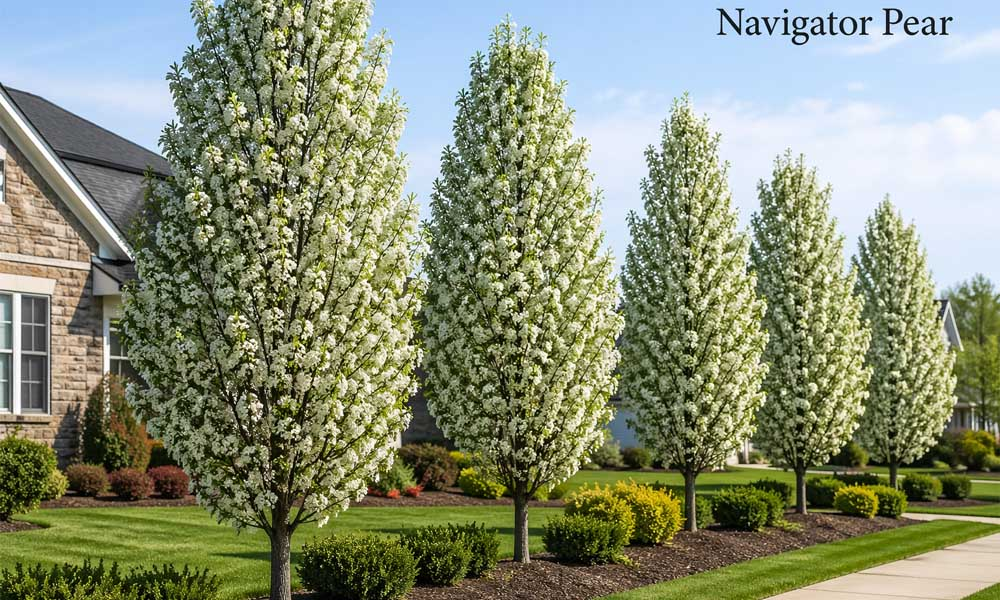
One of the most noticeable features of the navigator pear is its vertical growth. It forms a narrow, column-like shape, which is perfect for tight spaces or lining streets.
Glossy Green Leaves
The tree produces shiny green leaves during spring and summer. These leaves create a fresh and vibrant look in any yard.
Seasonal Color Changes
In fall, the navigator pear transforms into shades of red, orange, and purple. This seasonal shift adds strong visual interest to landscapes.
White Spring Flowers
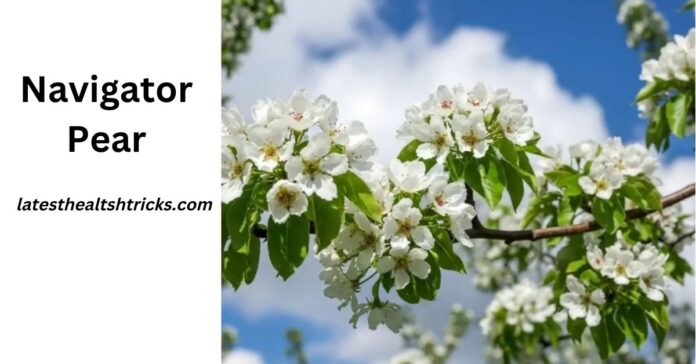
During early spring, the navigator pear blooms with clusters of white flowers. These blossoms create a soft and attractive appearance, signaling the start of the growing season.
Strong Branch Structure
Unlike older ornamental pears, the navigator pear has improved branch strength. This makes it more resistant to wind damage and heavy weather.
Why Navigator Pear Is Popular in the United States
The growing popularity of the navigator pear in the US comes from its combination of beauty and practicality. Many homeowners prefer low-maintenance trees that still provide strong visual impact.
Also Read: What Time Is Trick or Treating Near Me: A Complete Guide for 2026 and Beyond
Another key factor is its adaptability. The navigator pear can grow in various soil types and climate conditions, making it suitable for different regions across the country.
City planners also use this tree for urban landscaping because it grows neatly without interfering with roads, sidewalks, or power lines.
Ideal Growing Conditions for Navigator Pear
Climate Requirements
The navigator pear thrives in temperate climates. It can tolerate both heat and moderate cold, making it suitable for many parts of the United States.
Sunlight Needs
This tree grows best in full sun. It requires at least six hours of direct sunlight daily to maintain healthy growth and vibrant leaf color.
Soil Preferences
The navigator pear adapts well to different soil types, including clay, sandy, and loamy soils. However, well-drained soil is essential to prevent root problems.
Watering Needs
Young trees need regular watering to establish strong roots. Once established, the navigator pear becomes drought-tolerant and requires less frequent watering.
How to Plant Navigator Pear
Choosing the Right Location
Select a location with enough space for vertical growth. Even though the tree is narrow, it still needs room for roots and airflow.
Preparing the Soil
Loosen the soil and remove weeds or debris. Adding organic matter can improve soil quality and help the tree establish faster.
Planting Process
Dig a hole twice as wide as the root ball but not deeper than the root depth. Place the tree carefully, ensuring it stands straight. Fill the hole with soil and gently press it down.
Initial Watering
Water the tree thoroughly after planting. This helps eliminate air pockets and supports root development.
Navigator Pear Care Guide
Pruning
Pruning is minimal compared to other trees. Remove dead or damaged branches to maintain structure and health. Because the navigator pear naturally grows upright, it does not require heavy shaping.
Fertilization
Use a balanced fertilizer in early spring to support growth. Avoid over-fertilizing, as this can lead to weak growth.
Pest Control
The navigator pear is generally resistant to common pests. However, occasional monitoring is important to catch any issues early.
Disease Resistance
One of the major advantages of the navigator pear is its improved resistance to diseases that affect older pear varieties. This reduces maintenance and long-term care costs.
Landscaping Uses of Navigator Pear
Street Lining
The narrow shape of the navigator pear makes it perfect for lining streets and driveways. It creates a uniform and organized appearance.
Privacy Screens
Planting multiple navigator pear trees in a row can create a natural privacy barrier without taking up too much space.
Accent Tree
Because of its elegant form, the navigator pear works well as a focal point in gardens and front yards.
Commercial Landscaping
Businesses often use this tree to enhance outdoor spaces because it looks professional and requires little upkeep.
Benefits of Planting Navigator Pear
Low Maintenance
The navigator pear is easy to care for, making it ideal for beginners and busy homeowners.
Year-Round Beauty
From spring flowers to fall colors, this tree provides visual interest throughout the year.
Strong Structure
Its improved branch system reduces the risk of damage, saving time and money on repairs.
Space Efficiency
The upright growth makes it suitable for small yards and urban spaces.
Environmental Benefits
Like all trees, the navigator pear helps improve air quality, provides shade, and supports local ecosystems.
Also Read: How to Do Vape Tricks: A Complete Beginner-to-Advanced Guide
Potential Drawbacks of Navigator Pear
While the navigator pear offers many benefits, it is important to consider a few limitations.
Limited Fruit Production
If you are looking for a fruit-bearing tree, this may not be the best choice.
Moderate Growth Rate
Although it grows steadily, it may take a few years to reach its full height and visual impact.
Sensitivity to Overwatering
Poor drainage can lead to root problems, so proper soil conditions are essential.
Navigator Pear vs Other Ornamental Pear Trees
The navigator pear stands out when compared to older ornamental pear varieties. Traditional types often had weak branch angles, which caused breakage during storms. The navigator pear solves this problem with better structure.
Additionally, some older varieties became invasive in certain regions. The navigator pear is typically more controlled in growth, making it a safer choice for modern landscapes.
Expert Insights on Navigator Pear
From a landscaping perspective, the navigator pear represents a shift toward functional beauty. Instead of focusing only on appearance, modern tree varieties are designed for durability, efficiency, and adaptability.
One key insight is that the navigator pear works best when used as part of a larger design plan. Rather than planting a single tree randomly, it should be placed strategically to enhance symmetry and flow in the landscape.
Another important point is long-term planning. Because the tree maintains a consistent shape, it can be used to create structured outdoor environments that remain visually appealing for many years.
Maintenance Tips for Long-Term Success
To get the best results from your navigator pear, follow these practical tips:
Water deeply but not too often to encourage strong root growth
Avoid planting in areas with poor drainage
Mulch around the base to retain moisture and regulate temperature
Inspect the tree occasionally for signs of stress or damage
Prune lightly to maintain shape and remove weak branches
These simple steps can significantly improve the health and lifespan of your tree.
Environmental Impact of Navigator Pear
The navigator pear contributes positively to the environment in several ways. It helps reduce carbon dioxide levels, provides shade that lowers temperatures, and supports small wildlife such as birds.
Because it requires fewer chemicals and less maintenance, it is also considered a more sustainable landscaping option compared to high-maintenance plants.
Future Trends and Use of Navigator Pear
As urban areas continue to grow, the demand for trees like the navigator pear is expected to increase. Its ability to fit into small spaces while providing strong visual appeal makes it ideal for modern cities.
Also Read: Pertadad: The Modern Blogging Platform Transforming Content Creation
Landscape designers are also using it in combination with other low-maintenance plants to create eco-friendly outdoor spaces.
Frequently Asked Questions About Navigator Pear
Is the navigator pear a fast-growing tree?
The navigator pear has a moderate growth rate. It grows steadily each year but is not considered extremely fast-growing.
Can navigator pear grow in small yards?
Yes, its narrow shape makes it perfect for small spaces and urban environments.
Does navigator pear attract wildlife?
It may attract birds, especially during flowering periods, but it does not produce large fruit that attracts pests.
How tall does a navigator pear tree grow?
It can reach heights of around 30 to 40 feet, depending on growing conditions.
Is navigator pear suitable for beginners?
Yes, it is one of the easiest ornamental trees to grow and maintain.
Can navigator pear be grown in containers?
It is not ideal for long-term container growth due to its size, but it can be grown in large containers during early stages.
Does navigator pear require special soil?
No, it adapts to many soil types as long as the soil drains well.
How long does a navigator pear tree live?
With proper care, it can live for several decades and remain visually attractive.
Conclusion
The navigator pear is a smart choice for anyone looking to improve their outdoor space with a tree that combines beauty, strength, and simplicity. Its upright growth, seasonal colors, and low maintenance requirements make it one of the best ornamental trees available today.
Whether you are a homeowner, landscaper, or city planner, the navigator pear offers a reliable and visually appealing solution for modern environments. By understanding its needs and benefits, you can make the most of this versatile tree and create a landscape that stands out for years to come.